


A high-profile leak suggests the Xiaomi 17 Ultra may debut outside China with a higher price tag and a smaller battery, signaling a familiar regional split for the brand’s top-tier flagship. The tip points to a €1,499 sticker for the 16GB/512GB model in Europe alongside a 6,000mAh battery, while the China version is said to carry a larger 6,800mAh cell and an extra color option.
Price and trim outlook for the Xiaomi 17 Ultra in Europe
According to the leak shared by well-known tipster Arsène Lupin on X, the 16GB RAM and 512GB storage variant is set at €1,499 in Europe. That positions the 17 Ultra squarely in the ultra-premium bracket, rubbing shoulders with the priciest models from Samsung and Apple. With VAT baked into European pricing and additional logistics costs for international units, a high sticker is unsurprising—but it also tightens the room for compromises elsewhere.
- Price and trim outlook for the Xiaomi 17 Ultra in Europe
- Battery gap raises eyebrows between global and China models
- Why global models get smaller cells and stricter compliance
- Color options and regional differentiation
- Performance and camera expectations for power users
- What buyers should watch before the Xiaomi 17 Ultra launch
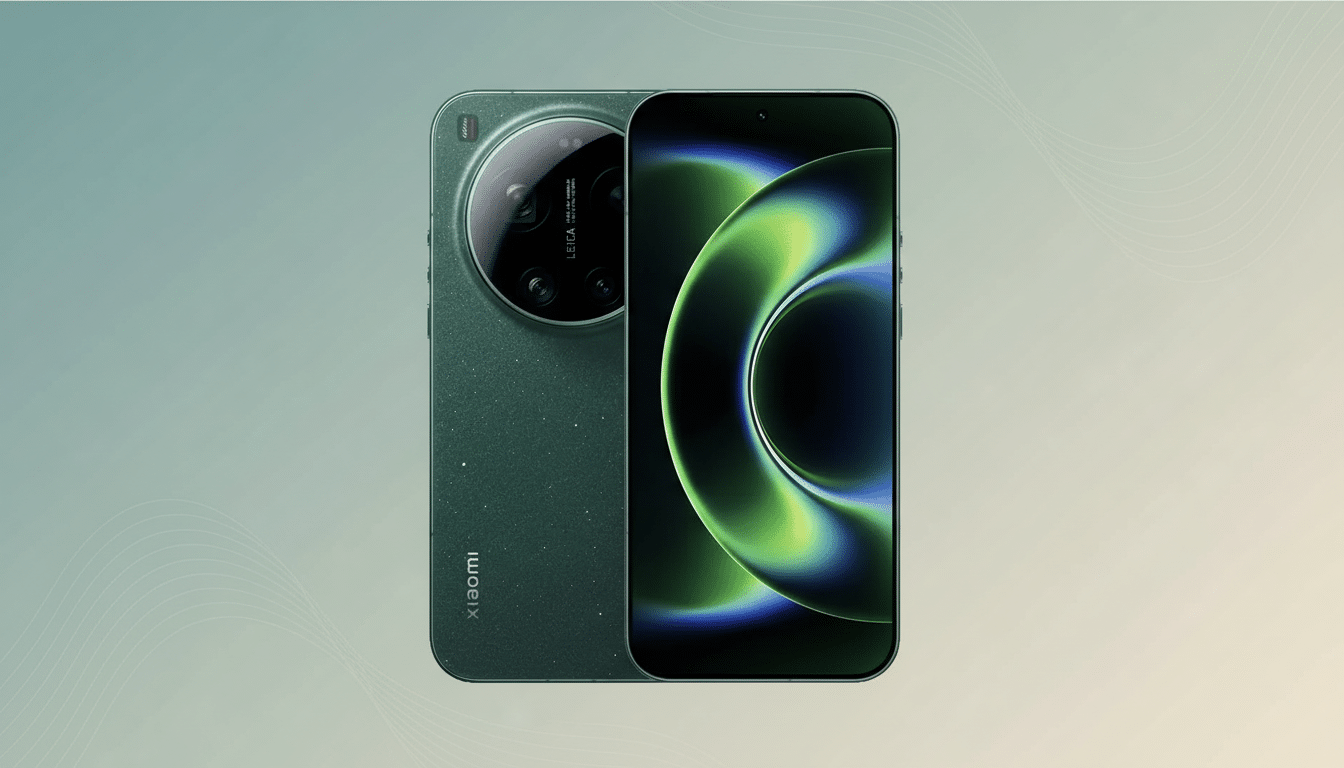
Should this price hold, Xiaomi will be pushing for parity with mainstream flagships on cost, while leaning on its hallmark strengths—camera hardware, aggressive onboard storage, and fast charging—to justify the number.
Battery gap raises eyebrows between global and China models
The reported 6,000mAh pack for global buyers is sizable in isolation, but the alleged 6,800mAh cell in China creates a gap of 800mAh, or roughly 12% less capacity. In real life, that can mean the difference between finishing a long day confidently and topping up before evening—especially for heavy camera, GPS, or 5G use.
There’s precedent. The previous-generation Ultra shipped with a larger battery in China and a trimmed capacity internationally. That history lends weight to the new claims and suggests Xiaomi is again balancing regulatory and logistical constraints with design targets.
Why global models get smaller cells and stricter compliance
It’s not simply cost-cutting. As tech YouTuber Brandon Lee noted in the leak’s replies, batteries face stricter oversight outside China. High-capacity lithium cells must clear safety and transport frameworks such as UN38.3 testing and IATA Dangerous Goods regulations for air freight, along with certifications like IEC 62133. In Europe, the new Battery Regulation adds layers of compliance that can ripple through packaging, labeling, and after-sales logistics.
Larger cells can trigger higher shipping classifications, more documentation, and potentially slower distribution—factors that raise time-to-market and expense. OEMs sometimes adjust capacity for international SKUs to keep logistics predictable, manage thermal margins for broader climate ranges, and simplify certification across multiple jurisdictions.
Color options and regional differentiation
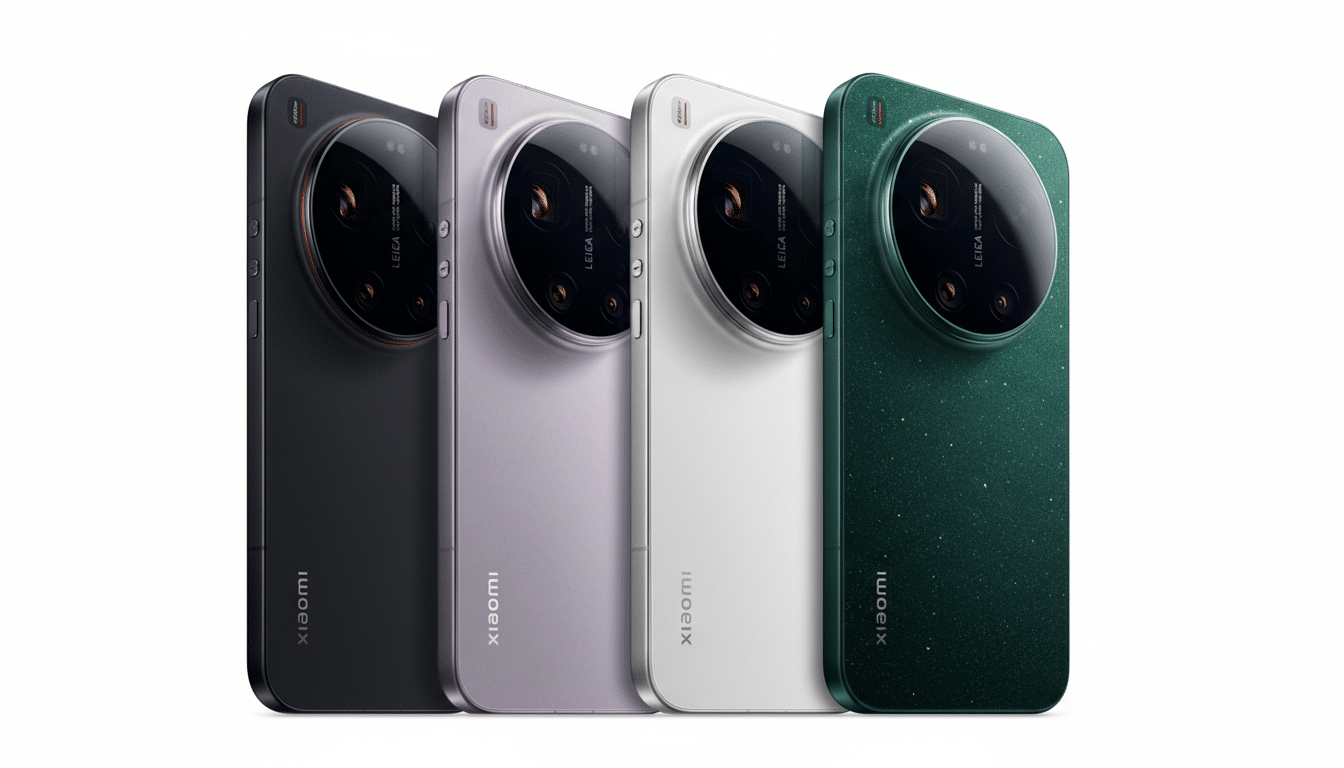
The same leak points to three global colors—white, black, and green—while China may get an exclusive light purple option. That tactic isn’t unusual: manufacturers often streamline global palettes and reserve one finish to anchor domestic marketing or special editions. Fewer global SKUs also means simpler forecasting and distribution, which can matter as much as specs.
Performance and camera expectations for power users
Even with a smaller global battery, the 17 Ultra is clearly aimed at power users. A 16GB/512GB configuration indicates headroom for pro-grade photography workflows, on-device editing, and intensive multitasking. Xiaomi’s Ultra line is known for ambitious camera systems, and recent models have leaned into large sensors, advanced stabilization, and computational imaging. If that trajectory holds, imaging will be the marquee draw over raw battery size.
It’s also worth noting that 6,000mAh still exceeds the capacity of many rivals—flagships from other brands typically sit around 5,000mAh or lower. Depending on chip efficiency and software tuning, the real-world gap with the Chinese variant could be narrower than the numbers suggest, especially if fast wired and wireless charging stay aggressive.
What buyers should watch before the Xiaomi 17 Ultra launch
As with any pre-launch leak, treat the details as provisional until official. If confirmed, the headline takeaways are straightforward: a premium global price, a smaller battery than China’s model, and a pared-back color selection. Prospective buyers should pay attention to battery endurance tests from independent labs, camera evaluations from trusted reviewers, and regional warranty and trade-in programs that can offset total ownership cost.
The 17 Ultra will likely rise or fall on execution—camera performance, thermals, and charging consistency matter more than one spec line. Still, in a year when competitors deliver top-tier phones without regional downgrades, every milliamp-hour—and every euro—will be scrutinized.
