


Enterprise websites are no longer simple online brochures. Today, a website is often the very first interaction a customer has with a business, shaping trust, perception, and decision-making within seconds.
Modern web design has become the new front door of customer engagement because it shapes how visitors experience a brand, navigate information, and take action. A growing number of businesses across California, investing in web design Sacramento, recognize that a high-performing site is not just about appearance, it is about creating a seamless digital experience that keeps users engaged from the first click.
- How Modern Web Design Has Evolved Beyond Visual Branding
- Why First Impressions Begin With Website Experience
- How Web Design Guides Customer Engagement From the Start
- Why Mobile-First Design Is Essential for Engagement
- How Website Speed and Performance Affect Customer Interaction
- Why Design Now Supports Conversion and Lead Generation
- How Interactive Features Strengthen Customer Engagement
- Why Trust and Credibility Are Built Through Design Choices
- How Modern Web Design Supports Long-Term Customer Experience
- Why Enterprise Web Design Must Integrate With Business Systems
- FAQs (People Also Ask)
- Why is web design important for customer engagement?
- How does modern web design improve user experience?
- What makes a website engaging?
- Can web design impact conversions?
- How do businesses approach modern web design strategically?
- Conclusion
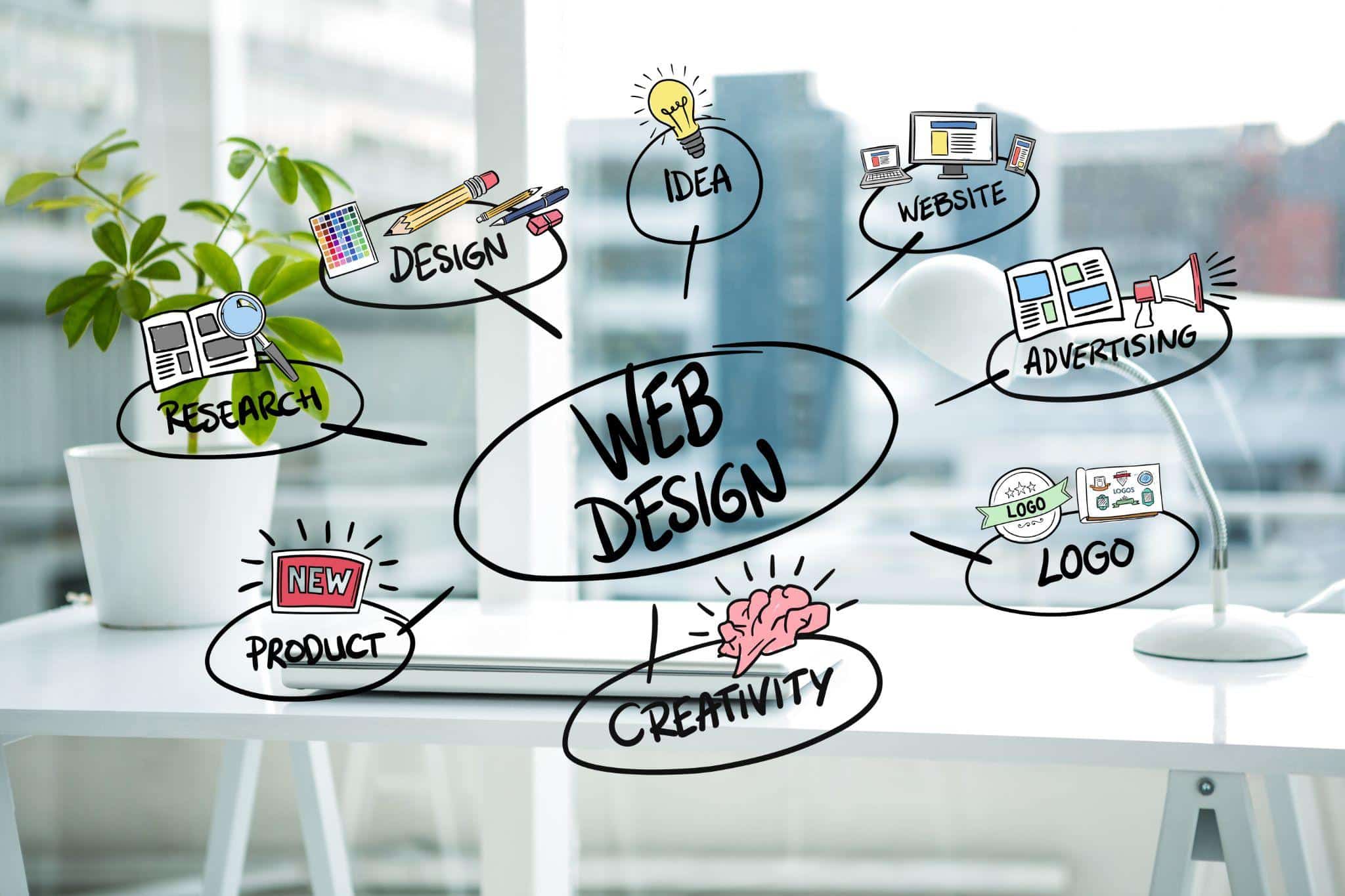
This article explains why modern web design plays such a critical role in customer engagement and how businesses can approach design as a strategic engagement layer, not just a branding asset.
How Modern Web Design Has Evolved Beyond Visual Branding
Modern web design is no longer just about appearance; it is about creating functional customer experiences.
In the past, web design focused heavily on colors, layout, and visual identity. While branding remains important, today’s websites must also support usability, accessibility, and engagement.
Modern design includes elements that shape interaction, such as:
- intuitive navigation
- fast-loading pages
- mobile-first layouts
- conversion-focused structure
- interactive customer support tools
The shift is clear: web design is now tied directly to how customers engage with a business online.
Why First Impressions Begin With Website Experience
A website is often the first touchpoint in the customer journey, and design determines whether visitors stay or leave.
Customers form impressions quickly. If a site feels outdated, confusing, or slow, trust declines immediately, even if the business itself is reputable.
Strong modern design helps establish:
- credibility
- professionalism
- clarity of services
- ease of interaction
Enterprise service providers often redesign websites not for aesthetics alone, but to ensure prospects can understand offerings and take the next step without friction.
How Web Design Guides Customer Engagement From the Start
Modern websites are designed to guide visitors through engagement pathways, not just present information.
Customer engagement begins when users can easily find answers, explore solutions, and interact with the business.
Effective engagement-driven design supports:
- clear calls-to-action
- structured content hierarchy
- streamlined customer journeys
- reduced decision fatigue
E-commerce brands, for instance, rely on design systems that help shoppers move smoothly from browsing to checkout with minimal barriers.
Why Mobile-First Design Is Essential for Engagement
Mobile usability is now a baseline expectation, and poor mobile design disrupts engagement instantly.
With most traffic coming from mobile devices, modern web design must prioritize responsive layouts and fast performance.
Mobile-first design improves:
- accessibility
- scrolling and navigation flow
- conversion rates
- user satisfaction
Businesses that fail to optimize for mobile often lose high-intent visitors before engagement even begins.
How Website Speed and Performance Affect Customer Interaction
Website performance is directly tied to engagement, as slow sites create frustration and abandonment.
Modern web design includes performance optimization because customers expect instant access.
Key performance factors include:
- page load speed
- clean code structure
- optimized images
- minimal layout shifts
For SaaS companies, speed matters especially during high-intent moments such as pricing page visits or demo requests.
Why Design Now Supports Conversion and Lead Generation
Modern web design functions as a conversion system that turns visitors into leads and customers.
Engagement is not just about attention, it is about action. Design influences whether visitors:
- fill out a form
- request a consultation
- make a purchase
- schedule a call
Service-based enterprises often redesign landing pages with engagement in mind, ensuring visitors are guided toward the next step rather than overwhelmed by information.
How Interactive Features Strengthen Customer Engagement
Engagement-driven web design increasingly includes interactive tools that support real-time customer needs.
Modern websites often integrate features such as:
- AI chatbots
- live chat support
- calculators or estimators
- personalized recommendations
- dynamic FAQs
Many enterprises also invest in ai chatbot development services to ensure conversational tools are integrated smoothly into the website experience, supporting engagement at scale.
Why Trust and Credibility Are Built Through Design Choices
Web design plays a major role in establishing trust before any human interaction occurs.
Customers evaluate credibility through visual and structural cues, including:
- clean layout
- consistent branding
- professional typography
- secure browsing signals
- transparent navigation
Healthcare and wellness businesses, for example, rely on trust-focused design to help users feel comfortable booking services or sharing information online.
How Modern Web Design Supports Long-Term Customer Experience
The best web design strategies focus on ongoing engagement, not one-time visits.
Enterprises increasingly view websites as evolving engagement platforms that support:
- customer onboarding
- support access
- content personalization
- long-term retention
A well-designed website becomes part of the broader customer experience ecosystem, not just a marketing asset.
Why Enterprise Web Design Must Integrate With Business Systems
Modern enterprise websites are most effective when connected to internal tools and workflows.
Integration-driven design supports:
- CRM platforms
- e-commerce systems
- support ticketing tools
- scheduling software
This ensures engagement is not isolated, but connected to operational outcomes across the organization.
FAQs (People Also Ask)
Why is web design important for customer engagement?
Web design is important because it shapes how visitors interact with a business online, influencing trust, usability, and the likelihood of taking action.
How does modern web design improve user experience?
Modern web design improves user experience through responsive layouts, faster performance, clearer navigation, and engagement-focused structure.
What makes a website engaging?
An engaging website provides clear information, interactive features, fast access, and intuitive pathways that guide users toward meaningful actions.
Can web design impact conversions?
Yes. Web design directly impacts conversions by reducing friction, improving clarity, and supporting lead generation or purchasing behavior.
How do businesses approach modern web design strategically?
Businesses approach modern web design by focusing on customer intent, performance, mobile usability, and engagement tools. Sierra Exclusive helps companies build websites that function as customer engagement platforms, not just branding assets.
Conclusion
Modern web design has become the new front door of customer engagement because websites now shape first impressions, guide customer journeys, and influence conversions from the very beginning. Enterprises that treat design as an engagement system rather than a visual upgrade are better positioned to build trust, reduce friction, and create lasting digital experiences that support both customers and business growth.
