


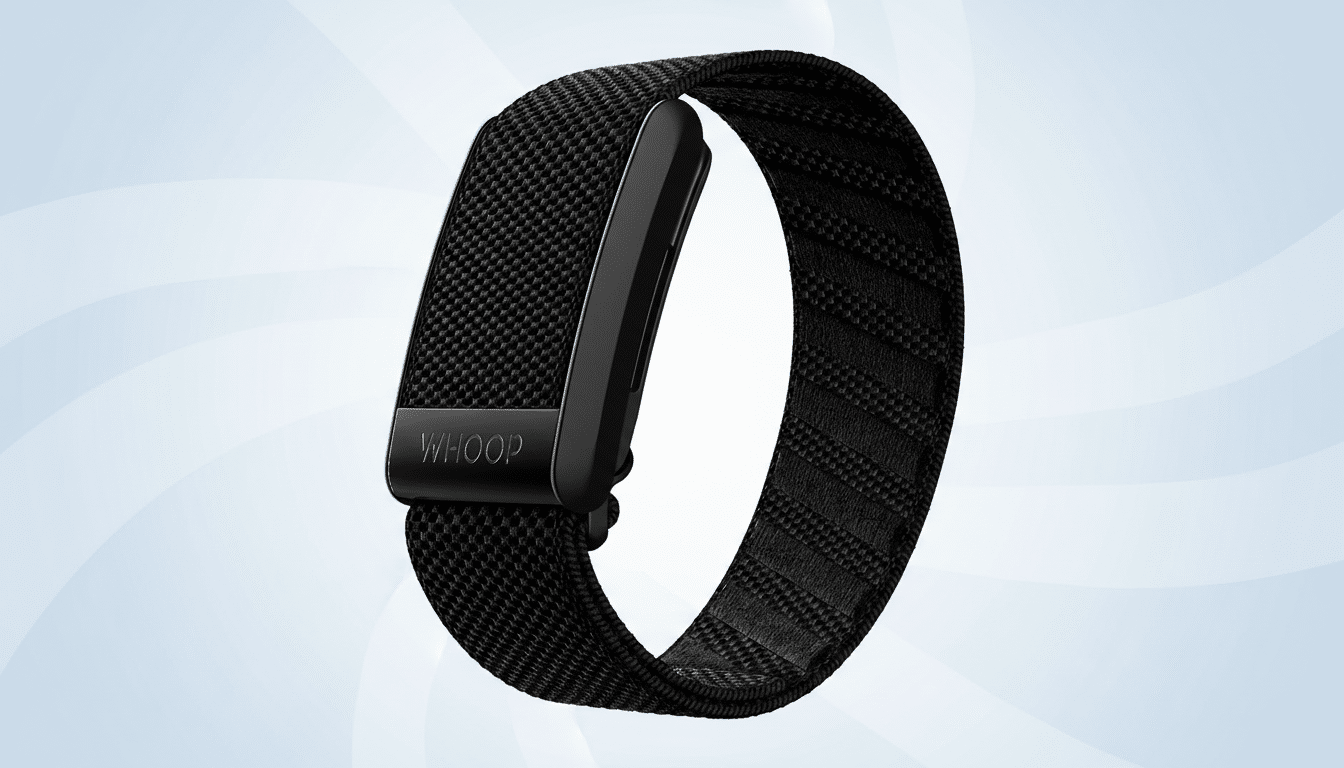
Umpires at the Australian Open have instructed several players, including world No. 1s Carlos Alcaraz and Aryna Sabalenka, to remove WHOOP fitness trackers worn under sweatbands, triggering a fresh clash over wearables in elite tennis. The International Tennis Federation (ITF) has approved specific WHOOP models for match use with haptics disabled, yet Grand Slam events can enforce stricter policies—setting the stage for confusion on court and controversy off it.
WHOOP’s response was swift and unconventional: the company sent players its Body apparel—compression tops, bras, shorts, and underwear with integrated pockets—to relocate the tracker away from the wrist. The gambit highlights both the creativity of sports tech brands and the murkiness of tennis rules when innovation runs into tradition.
What Triggered the Australian Open WHOOP Wrist Ban
Match officials asked players to remove under-wrist WHOOPs despite the ITF’s equipment approvals, which allow specific models provided all haptic feedback is turned off. The rationale is twofold: to reduce any chance of in-play signaling and maintain uniformity for officiating. Grand Slams, while sanctioned by the ITF, operate with latitude to apply event-specific regulations under their own rulebooks.
That flexibility has real consequences. Wearables were permitted in various ATP and WTA events, familiarizing players with continuous performance data during competition. At a major, however, a local rule can supersede, and the line between a harmless sensor and a competitive aid is policed far more tightly.
WHOOP’s Unusual Workaround: Body Apparel Placement
WHOOP Body apparel is designed to house the tracker in alternative placements—triceps, torso, calf, or waist—so athletes can capture cleaner signals for heart rate and motion without a wrist strap. It’s a clever engineering pivot for training environments, and it has been embraced across sports from golf to cycling for comfort and signal quality.
But relocating a prohibited device doesn’t necessarily make it permissible. If the Australian Open’s interpretation is a blanket ban on the device in play, wearing it under clothing—whether in shorts or underwear—could still violate competition rules. As such, players risk code violations or fines if they use the apparel to skirt the enforcement.
The Rulebook Gray Area Around In-Match Wearables
Two policy threads are tangled here. First, equipment approval: the ITF maintains a list of wearable devices allowed in-match under conditions like disabled haptics, ensuring sensors cannot serve as covert communication tools. Second, event sovereignty: Grand Slams may apply stricter standards, whether for competitive integrity, broadcast uniformity, or player safety considerations.
There’s also an integrity angle. Real-time physiological data could, in theory, be exploited—directly or indirectly—by coaching teams, betting markets, or unauthorized data brokers. The International Tennis Integrity Agency’s broader mandate to reduce manipulation pressures events to be cautious, even if there’s no evidence of misuse by players.
Why Athletes Care About WHOOP’s Readiness Metrics
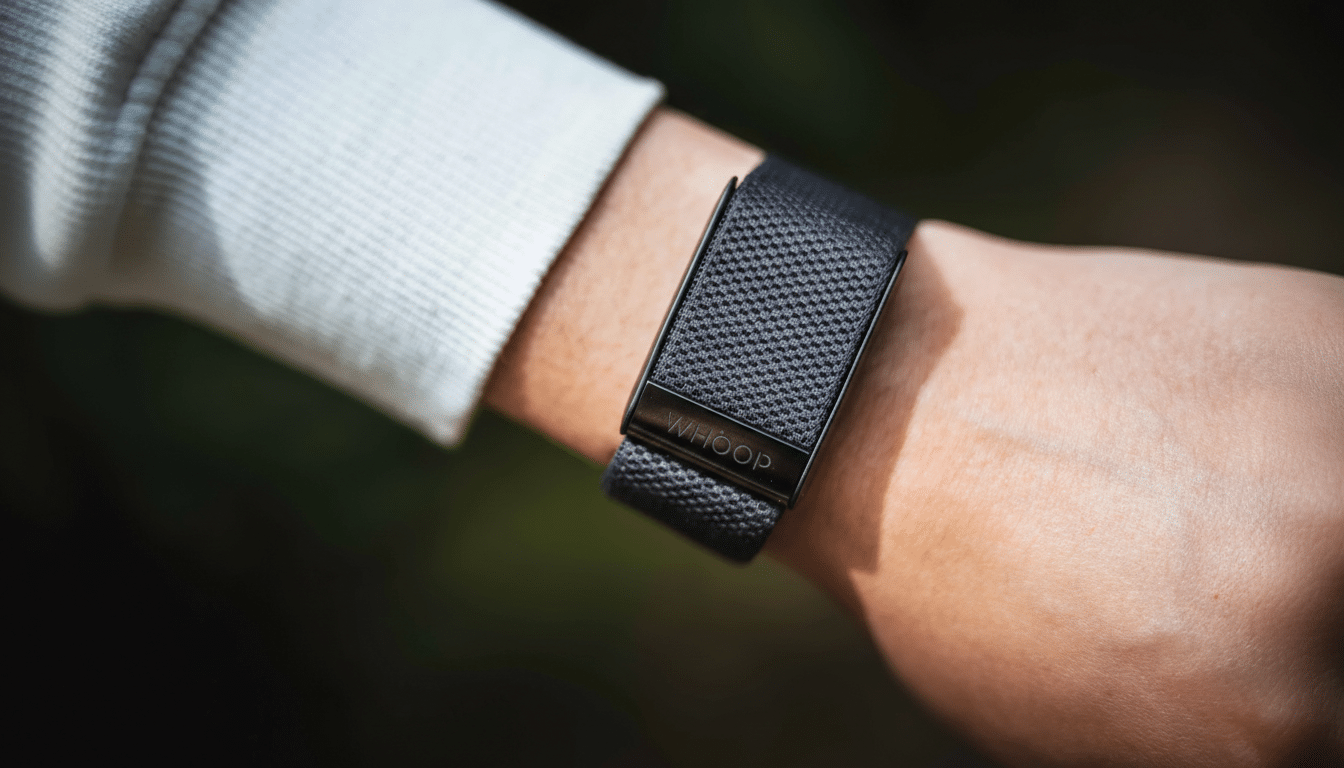
WHOOP’s value proposition is different from smartwatch-style devices. It’s screenless and built around longitudinal metrics: heart rate variability, resting heart rate, sleep staging, strain scores, skin temperature, and respiratory rate. For athletes, daily readiness scores informed by weeks of baseline data can drive decisions about practice intensity and recovery.
Teams often watch for HRV swings of 10–20% and resting heart rate bumps of 3–5 bpm as early signs of fatigue, illness, or altitude adaptation. Stanford Medicine researchers and other academic groups have shown that changes in wearable-derived HR, HRV, and respiration can flag illness onset ahead of symptoms—insights that have trickled into elite training rooms.
In racket sports where match load can spike unpredictably—think five-set epics under heat protocols—those readiness signals can influence everything from pre-match fueling to between-round recovery. That’s why the abrupt in-match restriction feels disruptive to players who integrated wearables into their routine across the tour calendar.
What Happens Next for Players, Events, and WHOOP
In the short term, the safest path for players is compliance during Grand Slam matches and continued use of WHOOP during training, practice sessions, and permissible tour events. Longer term, alignment is the fix: a consistent standard from the ITF, Grand Slams, ATP, and WTA that clarifies where, how, and when approved wearables can be used.
WHOOP’s underwear play is a headline-grabber, but it also underscores a maturing category. Wearables are now entrenched in high-performance sport; the governance needs to catch up. A harmonized policy—allowing approved devices with haptics off, prohibiting live data sharing to benches, and codifying placement rules—would reduce ambiguity without sacrificing integrity.
Until then, expect more awkward scenes at changeovers and more creative solutions from tech companies eager to stay on court—just maybe not always on the wrist.
