


Your roof does a quiet, brutal job. It takes sun, wind, rain, falling branches, and the occasional surprise hailstorm without asking for applause. When shingles start curling, cracking, or disappearing, the damage can move from “minor annoyance” to “why is there a stain on my ceiling?” pretty quickly. If you want to understand what failing shingles mean, what you can handle, and when to call in help, you need more than generic advice.
What damaged shingles are really telling you
A damaged shingle is rarely an isolated occurrence. It often signals a broader issue with age, ventilation, storm impact, installation quality, or moisture buildup.
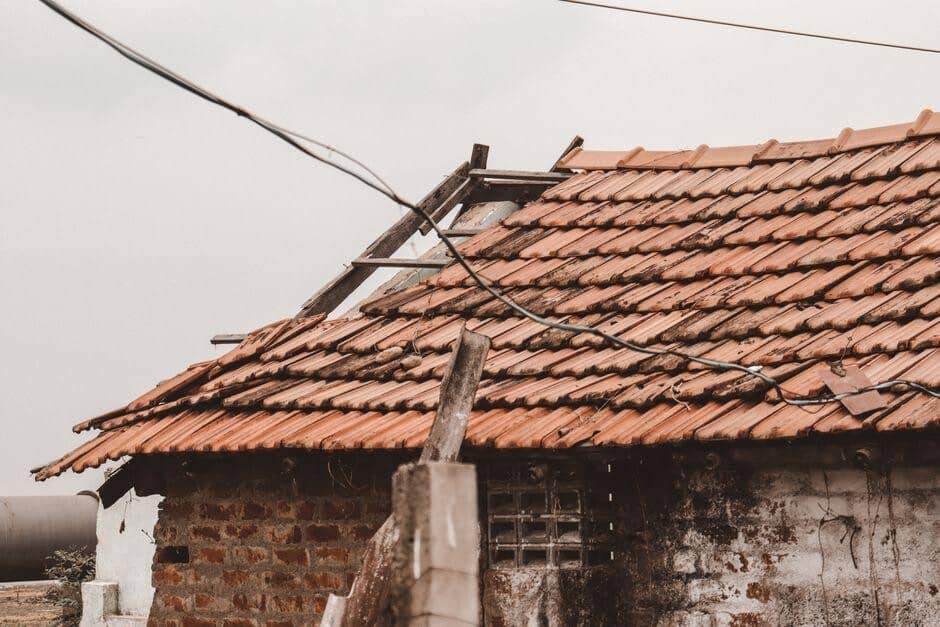
For instance, asphalt shingles age in visible ways. You might notice cracked corners, lifted edges, dark streaking, or uneven color. Inside your home, the clues can be sneakier: attic dampness, musty smells, or yellow-brown ceiling spots. By the time water becomes obvious indoors, it has often been traveling behind the scenes for a while.
When repair makes sense and when it doesn’t
A damaged shingle doesn’t mean getting a new roof. Small, localized damage can often be fixed effectively, especially if the rest of the roof is still in solid condition. If a handful of shingles blew off in one section and the underlayment stayed protected, repair may be the practical move.
Age changes the equation. If your asphalt roof is nearing the end of its expected lifespan, usually around 20 to 30 years depending on material and conditions, patching one area may buy only limited time. Matching older shingles can also be tricky.
In this scenario, context matters. If you’re evaluating only repairing roof shingles, you need to look beyond the visible surface. Ask whether the decking is sound, whether leaks have spread, and whether repeated repairs are stacking up into replacement-level costs.
A balanced decision usually comes down to:
- Extent of damage
- Roof age
- Leak history
- Insurance factors
- Cost of repeated patchwork versus longer-term replacement
Common causes you can spot from the ground
You don’t need to climb onto your roof to notice warning signs. In fact, staying on the ground is usually the smarter move. Start by walking around your house and looking at the roof from different angles in daylight. Binoculars help. So does a healthy suspicion of anything that looks crooked, bare, or oddly shiny.
Storm damage often shows up as missing shingles, bent flashing, or debris impact. Wind can loosen shingles gradually, then one rough weather event finishes the job. Heat and UV exposure can dry shingles out over time, making them brittle enough to crack like an overbaked chip.
Poor attic ventilation creates another hidden problem. Excess heat can cook shingles from below, while trapped moisture can warp roof decking. Clogged gutters also play a bigger role than many homeowners expect. When water can’t drain properly, it may back up near the roof edge and push moisture where it doesn’t belong.
Watch for these common signs:
- Shingles missing after storms
- Granules collecting in gutters or downspouts
- Curling edges or cracked tabs
- Sagging roof lines
- Moss, algae, or dark streaks
- Rusted or loose flashing around vents and chimneys
How to protect your home before and after repairs
If you suspect roof damage, speed matters, but panic doesn’t help. Your first goal is limiting water intrusion. Inside the house, move belongings away from leaks, place buckets where needed, and photograph damage for records. In the attic, look for wet insulation, staining, or daylight coming through boards. Don’t step on wet or unstable surfaces.
Outside, avoid climbing onto the roof yourself unless you have proper safety equipment and experience. A quick DIY fix can turn into an ER visit with impressive efficiency. If active leaking is severe, a professional may use temporary tarping until permanent repairs can happen.
After the repair, keep the roof in better shape with a simple maintenance routine. Check it after major storms. Clean gutters seasonally. Trim branches that hang over the roof. Watch attic humidity levels and make sure vents aren’t blocked. Small prevention habits tend to cost a lot less than emergency interior repairs.
A smart follow-up checklist looks like this:
- Save photos and invoices
- Confirm the repaired area after the next heavy rain
- Inspect ceilings and attic spaces for new moisture signs
- Keep gutters clear and downspouts draining away from the home
- Schedule periodic roof inspections as the roof ages
The higher cost of waiting too long
Delaying roof shingle repairs often feels financially cautious in the short term. In practice, it can become the expensive version of procrastination. Water rarely stays put. It can soak insulation, rot decking, stain drywall, weaken framing, and create conditions for mold growth. A small exterior repair may turn into a multi-trade project involving roofing, insulation, drywall, and paint.
There’s also the energy angle. Damaged roofing components can compromise ventilation and thermal performance, which may nudge utility bills upward. During storm season, weakened sections become more vulnerable, so a manageable issue in mild weather can escalate fast under heavy wind or driving rain.
If you plan to sell your home, visible roof wear can also affect buyer confidence. People notice roof condition quickly, and inspectors definitely do. Even buyers who love your kitchen may hesitate if the roof looks one storm away from negotiation theater.
Paying attention early gives you more choices. You can compare bids calmly, plan the timing, and handle repairs before interior damage starts writing its own budget. Roof shingles may look simple from the curb, but when they fail, they tend to fail with ambition.

