


Introduction
Getting a tattoo removed is no longer the painful, scar-inducing process it once was. Thanks to significant advances in laser technology and treatment protocols, modern tattoo removal has become safer, more effective, and increasingly accessible. If you’re considering removing an unwanted tattoo, understanding what today’s treatments involve can help you make an informed decision and set realistic expectations for your journey toward clear skin.
How Modern Laser Technology Works
Today’s tattoo removal relies primarily on Q-switched and picosecond lasers, which represent a quantum leap from older methods. These sophisticated devices emit ultra-short pulses of light that target tattoo ink particles beneath the skin’s surface without causing significant damage to surrounding tissue.
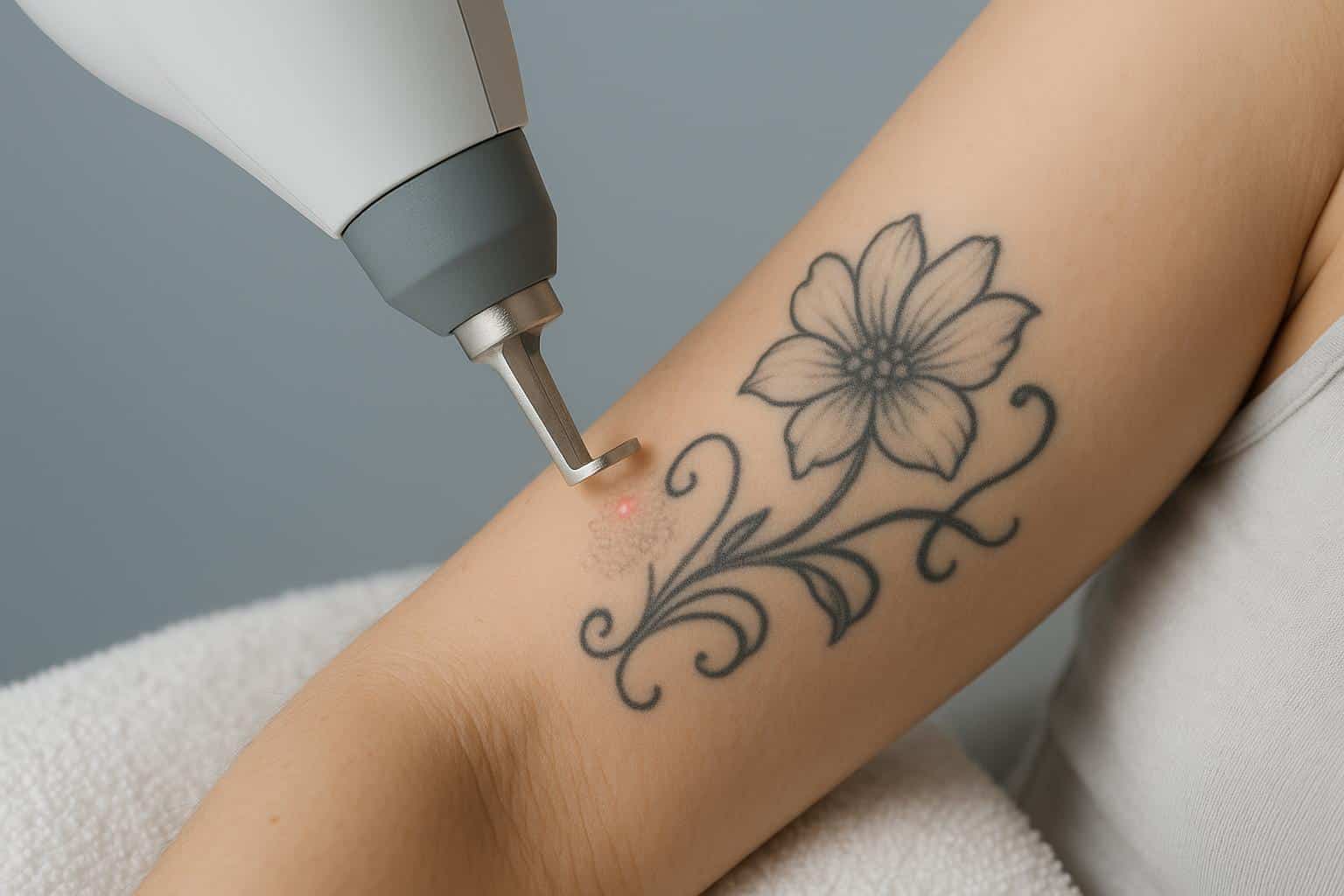
The laser energy breaks down ink particles into tiny fragments that your body’s immune system can naturally process and eliminate. Different wavelengths target different ink colors, which is why multiple sessions are typically necessary. Modern lasers can effectively treat a wide range of colors, though some pigments like green and yellow remain more challenging than black or red.
The Treatment Experience
When you arrive for a modern tattoo removal session, you’ll find the process is relatively straightforward. Most practitioners apply a topical numbing cream before treatment to minimize discomfort, though some facilities also offer cooling devices or local anesthesia for larger tattoos.
The actual laser treatment is surprisingly quick. Small tattoos may take just a few minutes, while larger pieces might require fifteen to thirty minutes. Most people describe the sensation as similar to having a rubber band snapped against the skin repeatedly. While not entirely painless, it’s generally more tolerable than getting the original tattoo.
Recovery and Aftercare
Modern tattoo removal treatments have significantly improved recovery times compared to older methods. Immediately after treatment, you’ll notice the treated area appears frosted or whitened, which typically fades within minutes. Some redness, swelling, and tenderness are normal and usually subside within a few days.
Aftercare is crucial for optimal results and minimal scarring. You’ll need to keep the area clean, apply prescribed ointments, and protect it from sun exposure. Most people can return to normal activities immediately, though you should avoid strenuous exercise for a day or two. Blistering can occur but is generally a normal part of the healing process when properly managed.
Number of Sessions Required
One of the most common questions about tattoo removal concerns how many treatments you’ll need. The honest answer is that it varies considerably based on several factors. Professional tattoos with dense ink typically require more sessions than amateur tattoos, and larger pieces naturally take longer to remove than smaller ones.
Most people need between six and twelve sessions for complete removal, though some tattoos may require fewer or more treatments. Sessions are typically spaced six to eight weeks apart to allow your immune system time to clear the fragmented ink particles. Patience is essential, as rushing the process by scheduling treatments too closely together won’t improve results and may increase complications.
Cost Considerations
Modern tattoo removal represents an investment, and understanding the financial commitment helps you plan accordingly. Pricing typically depends on the tattoo’s size, complexity, and the number of sessions required. Many facilities offer package deals or payment plans to make treatment more accessible.
While cost is certainly a consideration, it shouldn’t be your only criterion when choosing a provider. Quality equipment, experienced practitioners, and proper protocols significantly impact both your results and safety. When researching tattoo removal services Indianapolis or any other location, prioritize qualifications and reputation alongside pricing.
Expected Results and Limitations
Modern treatments can achieve remarkable results, but it’s important to maintain realistic expectations. Complete removal is possible for many tattoos, though some may leave slight shadowing or textural changes. Factors affecting outcomes include your skin type, tattoo age, ink quality, and your body’s immune response.
Certain colors and ink types respond better than others to laser treatment. Black and dark blue inks typically fade most effectively, while lighter colors may prove more stubborn. Your practitioner should provide an honest assessment of what’s achievable with your specific tattoo during your consultation.
Conclusion
Modern tattoo removal treatments offer a safe and effective solution for those seeking to erase unwanted ink. With advanced laser technology, improved protocols, and better understanding of the removal process, today’s options far surpass anything available in previous decades. While the journey requires patience and commitment, the results can be life-changing. By choosing a qualified provider, following aftercare instructions carefully, and maintaining realistic expectations, you can successfully navigate the tattoo removal process and achieve the clear skin you desire.
