


Modern enterprises face constant change across technology, where information defines corporate value. Each transaction, record, and client interaction depends on secure data systems. Protecting that foundation has become as vital as financial oversight or strategic planning. Decision-makers must act now to strengthen their defenses. Investing in proven solutions today prevents costly losses tomorrow.
Computer Security as a Core Corporate Priority
Computer security service now stands at the center of business continuity. Organizations that view security as an essential function rather than an afterthought build stronger operational integrity. Dedicated teams manage threats, apply updates, and maintain incident response protocols. Policies remain visible to every department to preserve unity of effort. When management prioritizes protection, employees follow with equal focus. The result is consistent reliability that supports growth and stakeholder trust.
- Computer Security as a Core Corporate Priority
- Protection of Sensitive Data
- Security Protocols Across Departments
- Clear Policies Guide Employee Actions
- Security Oversight Maintains Smooth Operations
- Regular Updates Prevent Vulnerabilities
- Strength of Network Infrastructure Against Intrusions
- Firewalls and Encryption Secure Communications
- Regular Audits Identify Weak Points
- Staff Training Reinforces Safeguards
- Culture of Awareness and Responsibility
- Employees Recognize Security Gaps
- Leadership Sets the Standard for Security
- Feedback Channels Encourage Reporting
- Evaluation of Security Solutions for Efficiency
- Measurement of Success and Continuous Improvement
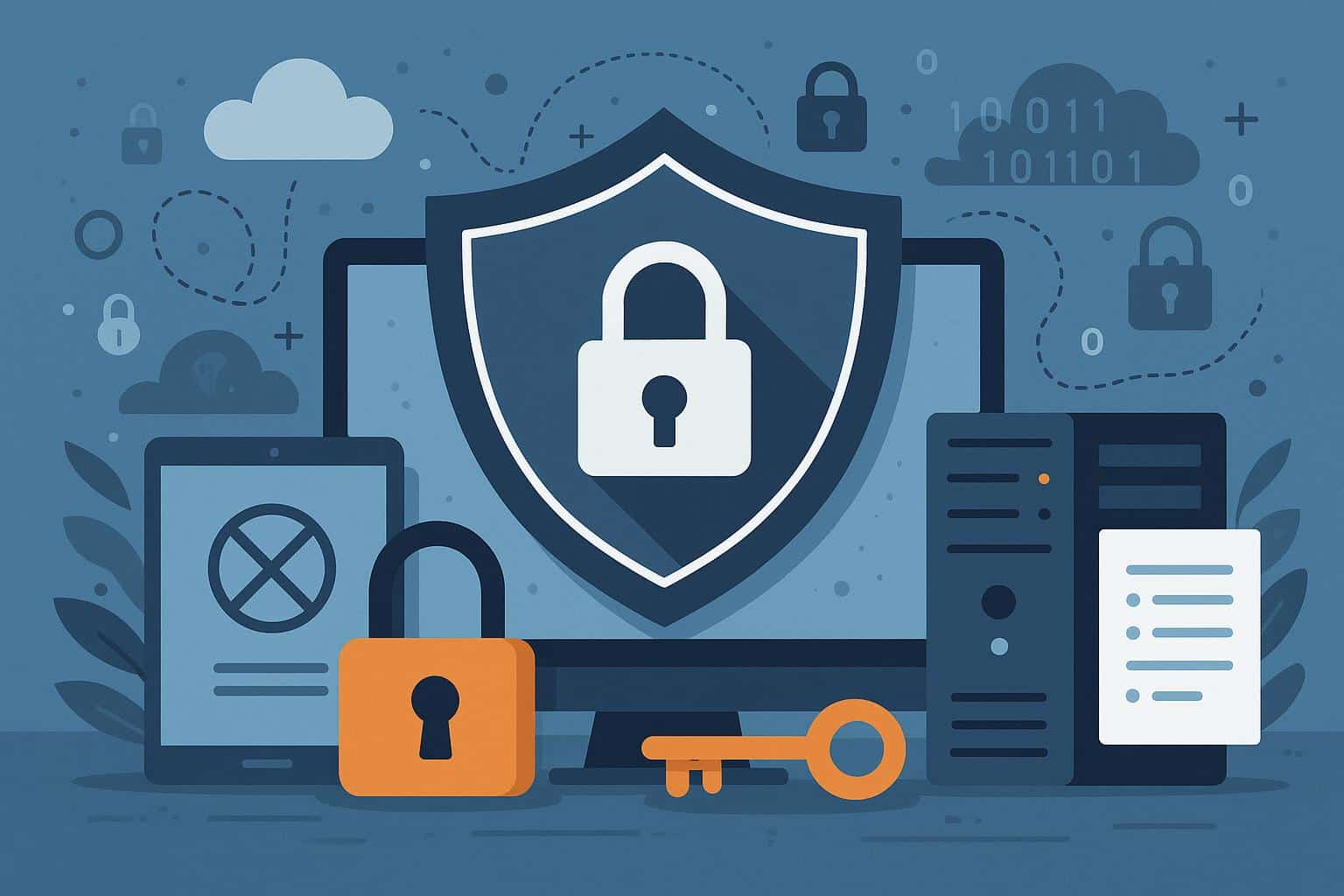
Protection of Sensitive Data
Data protection defines a company’s credibility. Access controls determine who views confidential material and when. Encryption converts information into unreadable formats for outsiders, while backup systems preserve integrity during unexpected failures. Audits confirm compliance and highlight areas requiring attention. Executives who maintain vigilance demonstrate responsibility toward partners and clients. A disciplined data strategy sustains confidence in every business exchange.
Security Protocols Across Departments
Departments operate as interconnected units within every organization. Each team relies on consistent procedures to protect shared resources. Coordinated security protocols unify these efforts and create a reliable defense against internal or external threats.
Clear Policies Guide Employee Actions
Every employee understands expected conduct through transparent rules. Written procedures outline device usage, password creation, and file sharing. Defined standards eliminate confusion and reduce careless mistakes. Clarity at every level prevents miscommunication that could expose critical data.
Security Oversight Maintains Smooth Operations
Surveillance tools operate silently in the background. They record anomalies without interfering with performance. Immediate alerts notify administrators of irregular behavior. The balance between oversight and productivity keeps teams efficient and secure.
Regular Updates Prevent Vulnerabilities
Software evolves quickly; outdated systems invite intrusion. Routine patching keeps programs aligned with current threats. Scheduling ensures no application remains unprotected. A consistent update cycle reflects professionalism and foresight.
Strength of Network Infrastructure Against Intrusions
A solid network structure forms the backbone of every secure organization. Hardware and software must work together to block intrusions before they spread. Careful design of internal systems ensures smooth communication without exposing sensitive channels.
Firewalls and Encryption Secure Communications
These defenses form the first shield around internal networks. Firewalls filter harmful traffic while encryption protects messages in transit. Together, they create layers that repel unauthorized access attempts.
Regular Audits Identify Weak Points
Independent assessments expose structural flaws before they cause harm. Auditors simulate attacks to test resilience. Results guide technical teams toward precise improvements that preserve network stability.
Staff Training Reinforces Safeguards
Employees remain the strongest defense when educated correctly. Instructional sessions explain the reasons behind every protocol. Awareness converts security from a rule into a daily habit. Knowledge closes gaps that technology alone cannot fill.
Culture of Awareness and Responsibility
A security culture grows from awareness and shared responsibility. Every individual contributes to the strength of corporate defense through daily actions. Unified behavior across all levels ensures lasting protection and collective vigilance.
Employees Recognize Security Gaps
Routine workshops help individuals notice irregular behavior, such as suspicious emails or unusual file activity. Quick recognition limits exposure and contains threats early.
Leadership Sets the Standard for Security
Executives demonstrate commitment through visible compliance. Their example shapes the organizational mindset. When leaders value protection, everyone mirrors that behavior.
Feedback Channels Encourage Reporting
Open communication ensures concerns reach the right experts immediately. Anonymous portals or direct messages remove hesitation. Timely reporting enables faster action and minimizes damage.
Evaluation of Security Solutions for Efficiency
Periodic evaluation keeps defenses current. Teams measure response speed, downtime, and accuracy of detection tools. Vendors are compared based on reliability rather than marketing claims. Practical testing verifies compatibility with existing systems. Organizations that evaluate consistently save resources while maintaining strong protection. Continuous reflection transforms security from a static expense into an evolving asset. Clear assessment criteria help decision-makers select tools that deliver consistent performance.
Measurement of Success and Continuous Improvement
Success depends on evidence. Tracking performance indicators reveals progress over time. Metrics such as breach frequency and recovery duration reflect system health. Documentation of lessons learned transforms experience into strategy. Every review strengthens preparedness for future challenges. Companies that refine their methods maintain stability and inspire stakeholder trust. Consistent evaluation confirms that each security effort contributes to measurable growth.
Enterprises that select the right computer security service gain protection tailored to their structure and goals. Each company must assess provider reliability, scope of coverage, and track record before making a choice. Services that align with internal systems reduce risks and improve control over data flow. Leadership should evaluate partners through clear performance standards and documented results. Take action now to compare options and secure the partnership that strengthens long-term safety. The decision to choose carefully defines the foundation of corporate trust.
