


Self-exclusion is often presented as a simple, silver-bullet solution for anyone looking to take a break from the gaming floor. In theory, it is a voluntary contract where a player asks to be barred from a facility to regain control over their habits. However, the administrative reality behind these programs is far more complex than the brochures suggest.
While provincial regulators emphasize the safety benefits, several nuances regarding enforcement and legal consequences remain largely unspoken. Understanding these hidden layers is crucial for any player who wants to navigate the Canadian gaming landscape with a clear perspective on how “taking a break” actually works.
The Fragmented Provincial Border Issue
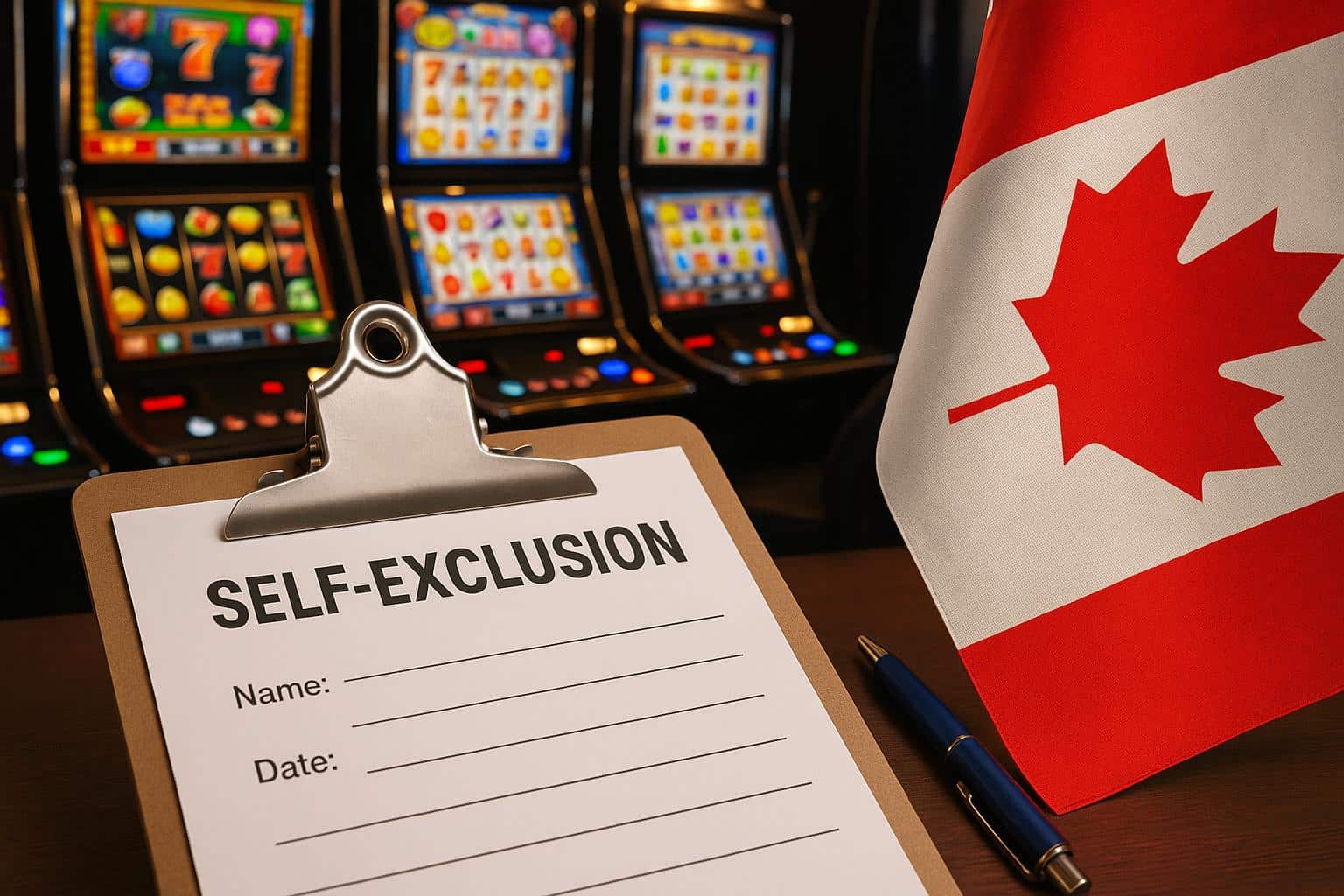
One of the biggest misconceptions about self-exclusion in Canada is its geographical reach. Because gambling is regulated at the provincial level rather than federally, a self-exclusion agreement signed in Ontario does not automatically apply in British Columbia or Quebec. The systems are siloed, meaning a player who excludes themselves from one jurisdiction can often cross a provincial border and enter a casino without restriction.
This lack of a unified national database places the burden of consistency entirely on the individual. When using a Mr Bet casino login or visiting a local establishment, players must realize that their self-imposed boundaries are only as strong as the specific jurisdiction’s reach. While some private operators with multiple locations may attempt to sync their lists, there is no legal requirement for a casino in Alberta to check the exclusion registry of a casino in Manitoba.
The result is a fragmented safety net that can be easily bypassed by travel, a reality that casinos rarely highlight when promoting their responsible gaming tools.
The Legal Reality of Trespassing
When you sign a self-exclusion agreement, you aren’t just making a “pinky promise” to stay away; you are often signing a formal notice that renders your presence on the property illegal. In the eyes of the law, a self-excluded individual who enters a casino is a trespasser. This gives security the right to involve local law enforcement, which may result in fines or even a criminal record for trespassing.
The responsibility for enforcement is a point of contention. While many facilities use facial recognition technology, these systems are not foolproof. Casinos often include fine print stating that the primary responsibility for staying away rests with the player, not the security team. If you are detected on the premises, the “support” you receive is typically a swift escort to the exit and a potential summons to court.
The Forfeiture of Jackpots and Winnings
Perhaps the most startling detail that remains buried in the terms and conditions is what happens if a self-excluded player actually wins. Most Canadian provinces have strict policies that forbid paying out prizes to anyone on an exclusion list. If a barred player hits a major jackpot on online slots or at a physical machine, the casino is legally obligated to withhold the winnings.
These withheld funds are typically diverted to provincial responsible gaming research or charitable funds. This creates a “no-win” scenario: the player risks legal trouble by entering, but even if they are successful at the games, they cannot claim the reward. To help clarify these stakes, the table below outlines the common outcomes for self-excluded players who attempt to bypass the system.
Consequences of Breaching Self-Exclusion
Understanding the risks of a breach can help players appreciate the seriousness of the commitment they are making. Below are the standard repercussions used across most Canadian provinces.
| Action Taken | Description of Consequence |
|---|---|
| Prize Forfeiture | All winnings, including jackpots and credits, are confiscated. |
| Legal Charges | Players may be charged with trespassing under provincial acts. |
| Removal | Immediate escort from the premises by security or police. |
| Extended Ban | The duration of the exclusion may be increased as a penalty. |
While these measures are designed to act as a deterrent, they also ensure that the house never has to pay out to someone who has technically broken a legal agreement.
The Irrevocability of the Choice
Many players enter self-exclusion during a moment of high emotion or financial stress, assuming they can simply “cancel” the request a few weeks later when they feel better. In reality, most Canadian self-exclusion programs are irrevocable for the duration of the chosen term. Whether you selected six months or five years, there is usually no legal mechanism to change your mind.
Even after the term expires, the process of returning is not automatic. In provinces like Ontario and British Columbia, players must often complete a “Return to Play” application, which may include a mandatory cooling-off period or a meeting with a gaming advisor. The goal is to ensure the individual has a healthy plan in place before returning to the floor, but it can be a frustrating hurdle for those who didn’t read the initial paperwork carefully.
Moving Toward Informed Gaming
Self-exclusion is a powerful and necessary tool, but it works best when players understand the full weight of the contract. It is not a passive filter that does the work for you; it is a legal boundary with significant financial and personal implications. By knowing the rules regarding provincial limits and jackpot forfeitures, players can make more informed decisions about their gaming habits.

