


Strong information security has become a core part of running a modern business. Data flows through systems every day and touches customers partners and staff. Protecting that data helps keep trust and supports long term growth. Certifications offer a clear way to show that security practices meet recognized standards. Many organizations align their efforts with guidance from CompliancePoint to strengthen controls and improve accountability. As security needs grow it becomes helpful to understand which certifications matter most. Each certification serves a different purpose and supports different business goals. Some focus on systems while others center on people and daily processes. Knowing how they fit together helps leaders plan smarter investments. This approach builds confidence across the organization and with outside partners.
Why Information Security Certifications Matter
Information security certifications provide a clear baseline for what safe practices entail and how risks are effectively managed. They give structure to policies that might otherwise feel unclear. When a business follows a known standard it reduces confusion and supports steady practices. This consistency helps teams respond better to incidents and reduces mistakes. Certifications also show that leadership takes data protection seriously. Another benefit comes from outside trust. Customers often feel more comfortable working with businesses that follow clear security standards. Partners and vendors also value this commitment. Certifications act as proof that controls are not random or weak. Over time this trust supports stronger relationships and smoother operations.
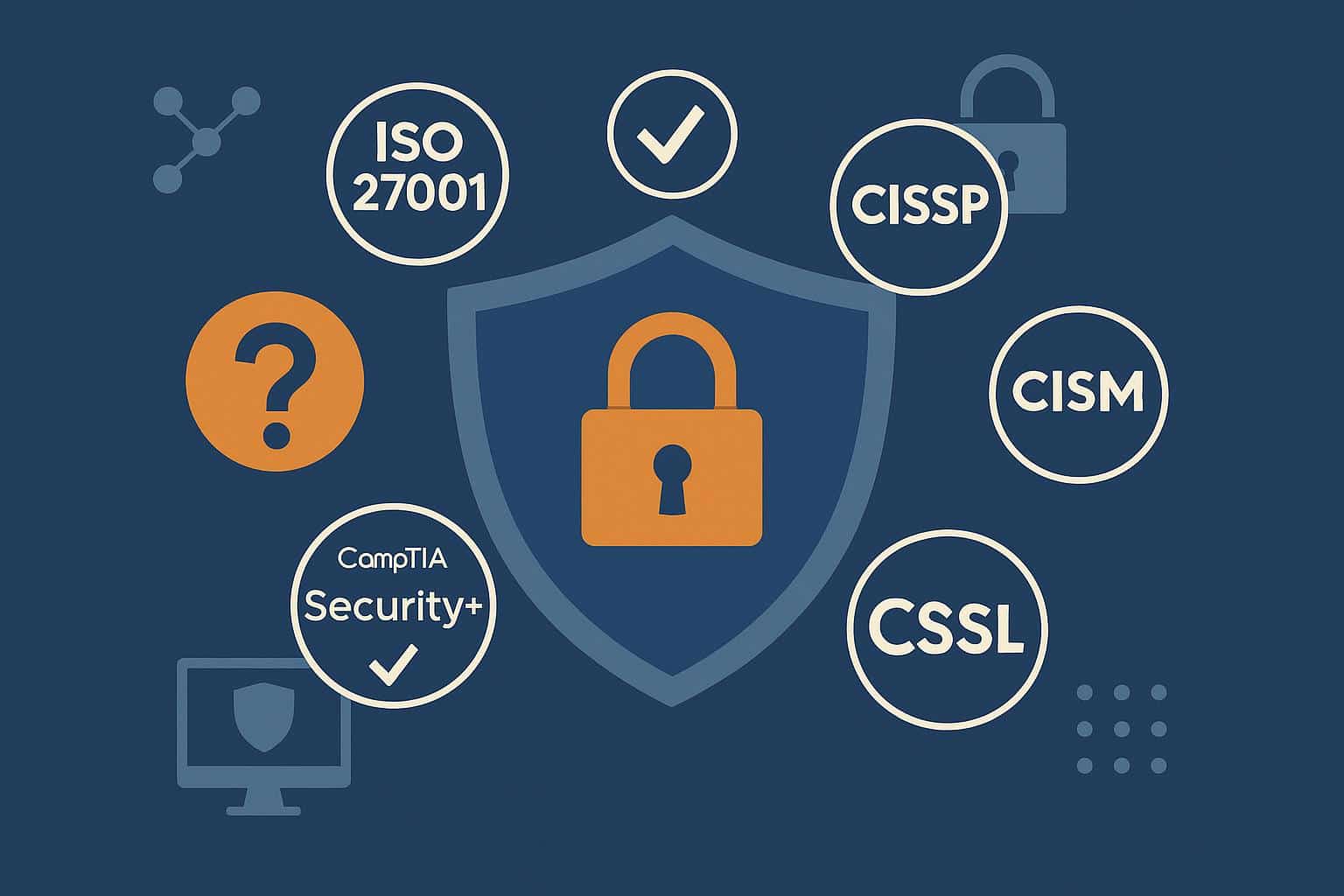
ISO 27001 As A Foundation
ISO 27001 is one of the most widely known security standards. It focuses on building and managing an information security program. The standard looks at how data is protected across people systems and processes. It encourages regular reviews and steady improvement. This makes security a living part of daily work. For many businesses ISO 27001 serves as a strong starting point. It helps leaders see gaps and set clear priorities. The structure of the standard supports long term planning. It also aligns well with other frameworks and requirements. This flexibility makes it useful across many industries.
SOC Reports And Operational Trust
SOC reports focus on how controls operate over time. They are often used when sharing assurance with clients or partners. These reports look closely at how systems handle data in real situations. They show whether controls are working as designed. This insight helps build trust in daily operations. Businesses that rely on service delivery often find SOC reports valuable. They provide clear evidence of care and oversight. The process also helps internal teams improve documentation. Over time this leads to stronger habits and clearer roles. The result is a more reliable security environment.
Role Based Certifications For Staff
While system certifications matter people play a key role in security. Role based certifications help staff understand their responsibilities. These programs focus on awareness skills and decision making. They support better judgment during routine work. This reduces the chance of simple errors causing harm. Training staff through certification also supports a culture of care. Employees feel more confident handling data. Leaders gain assurance that teams understand expectations. Over time this shared knowledge strengthens the entire program. It also supports compliance efforts across departments.
Choosing The Right Mix For Your Business
No single certification fits every business. The right choice depends on size risk and industry needs. Some organizations focus first on system standards. Others invest in staff training or reporting frameworks. A balanced mix often brings the best results. Planning helps avoid wasted effort. Leaders should align certifications with business goals. This ensures security supports growth rather than slowing it down. Clear planning also helps manage costs and timelines. Over time this approach builds a strong and steady security posture.
Information security certifications offer more than formal recognition. They help businesses build clear habits and shared responsibility. By choosing standards that match real needs organizations can protect data with confidence. These certifications support trust with customers partners and staff. When security becomes part of everyday work it strengthens the business as a whole.
