


XGIMI is best known for its high-end home projectors, but the company’s moving into wearables with the new sub-brand MemoMind and a pair of AI-powered glasses to channel Terminator vibes in normal settings.
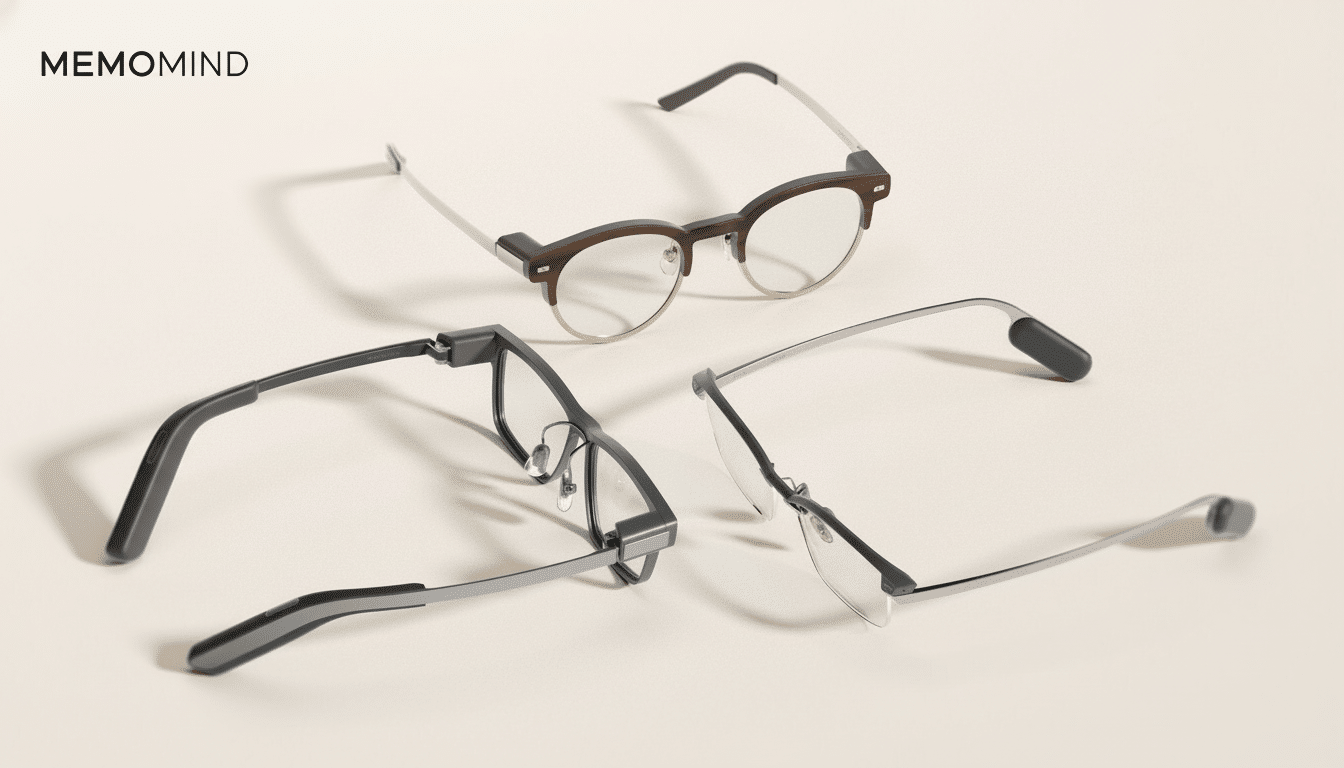
The flagship Memo One combines dual-eye displays and built-in audio with an ultralight 28.9 g frame, along with an AI system to assist without getting in the way. A second model, Memo Air Display, is an even lighter version, while a third series that aims for a more conventional eyeglasses look is in the works.
A Strategic Leap: Projectors to Wearables
The dive takes advantage of XGIMI’s strengths in optics, imaging, and audio—skills developed in its projector stable—even as it races toward a nascent but rapidly expanding category. Market analysts at IDC and CCS Insight have both noted time and again that comfort, battery life, and styling are the ‘do or die’ elements for smart eyewear adoption. What XGIMI pitches delivering on are precisely those points—keep the glasses light, minimize interaction time, and make them last the whole day.
A Design That Focuses on All-Day Comfort
At 28.9 g, Memo One weighs significantly less than many common smart glasses on the market right now. For comparison, Meta’s Ray-Ban Smart Glasses weigh around 48 g, according to the company’s specs, while Xreal’s Air 2 come in closer to 38 g; less heft typically translates into less pressure across the bridge of one’s nose and fewer hot spots over long hours of use, a known gripe with heavier designs.
Personalisation and comfort are a focus for the MemoMind range. Buyers can pick from eight frame styles and five interchangeable temple designs, while full prescription lens support should allow the glasses to replace daily eyewear, rather than languishing in a gadget drawer. It features built-in speakers so wearers can opt for a private sound experience, and when used as a dual-eye display, viewing approaches help ensure the visuals are balanced just right.
AI That Gets Out of the Way for Daily Use
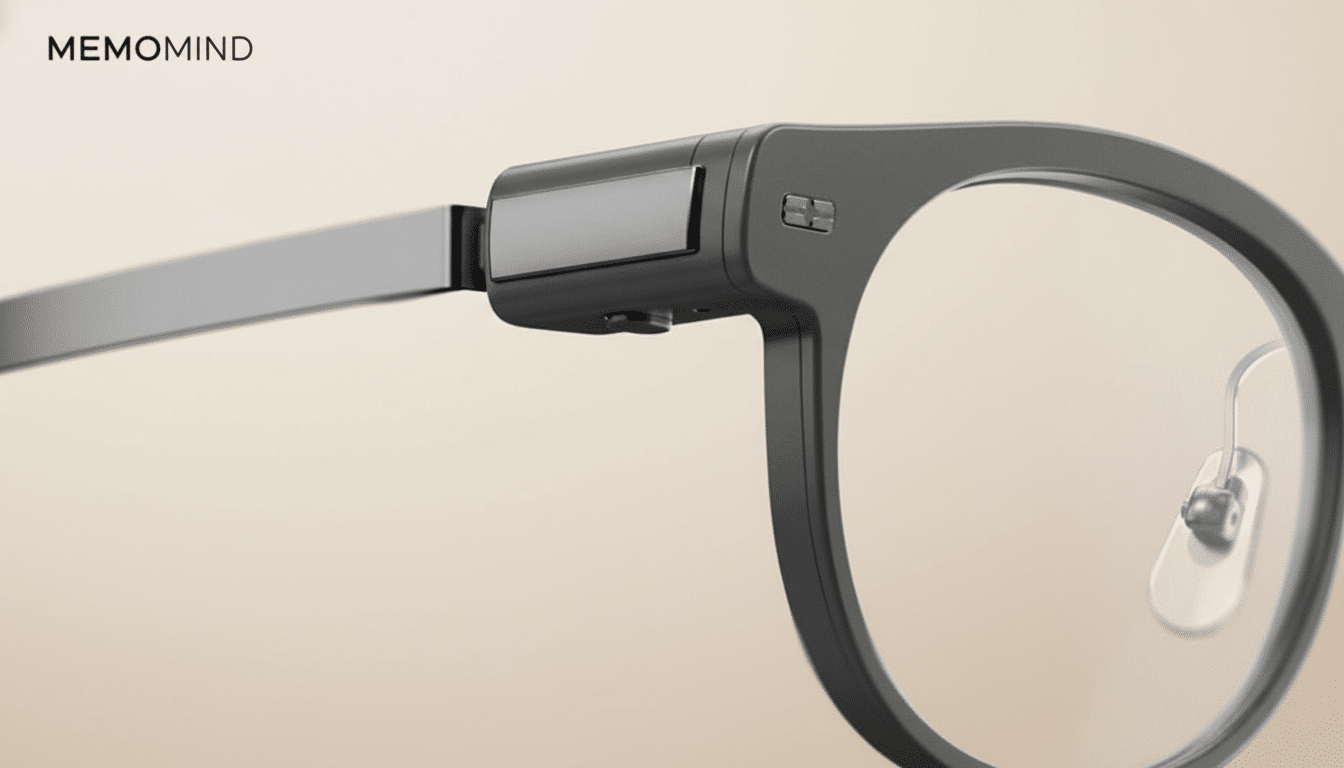
At the heart of MemoMind is a multi-LLM hybrid OS that schedules tasks to the best model available across providers that include OpenAI, Azure, and Qwen. That orchestration allows the glasses to do translation, summarization, note-taking, reminders, and context-based navigation—without getting overly chatty in response. The premise is to minimize friction—surface the right nudge when you need it, then go away.
Importantly, XGIMI claims it’s built for all-day action without you stressing about power. The glasses offer full-day battery on their own, ship with an extended-use charging case that provides up to a week of listening, and support fast charging—they’re solving for one of the biggest complaints early adopters have had across the category.
Positioning in a Crowded but Segmented Field
Smart eyewear has fractionated into a few categories:
- Camera-first lifestyle frames (of the Ray-Ban variety)
- Display-first personal viewers (like the Xreal Air)
- Enterprise-focused AR headsets
Memo One tries to strike a middle ground here, with skim-and-dip interfaces along with some useful AI features. If XGIMI’s comfort and battery promises are true, there might be a niche market for users who want help—a translation while on the road or an abridged summary ahead of a meeting—but not a set of tubby hardware or having to issue voice commands all the time.
The lighter Memo Air Display extends the portfolio for anyone who values a featherweight screen to gaze at, while a third series is planned that should look even more like wearing ordinary spectacles. That tiered strategy reflects what market researchers anticipate will be an expectation as the category matures: separate product tracks for fashion, productivity, and entertainment rather than a one-size-fits-all device.
Pricing and availability for MemoMind smart glasses
The Memo One is expected to come in around $599, with preorders opening soon. Pricing and availability for Memo Air Display—and information on the third collection—will be revealed at a later date. By framing the lineup with a sub-$600 model, XGIMI is placing Memo One as a premium-but-achievable entrance for customers who would rather have meaningful AI on their face than in their pocket.
This is where the smart glasses market is still searching for its “breakout moment,” and MemoMind’s combination of lightweight design, faint AI, and weeklong top-ups via a charging case gives XGIMI a surprisingly credible shot at being a name to watch outside of people’s living rooms.
