


Waymo has tapped a surprising new ally to keep its driverless cars moving. The company is paying DoorDash drivers in Atlanta to swing by stalled robotaxis and shut doors left ajar by riders, a small human assist that prevents costly delays and keeps streets clear. The arrangement, first reported by 404 Media and confirmed by both companies, highlights how even the most advanced autonomous fleets still rely on humans for quick interventions.
Why Door Closures Matter for Keeping Robotaxis Moving
Waymo’s vehicles won’t engage gear unless every door is fully latched. That’s a safety feature, but it also means one careless exit can strand a car mid-curb, blocking traffic and idling a revenue-generating asset. Multiply those minutes across a growing fleet and the operational drag adds up fast.
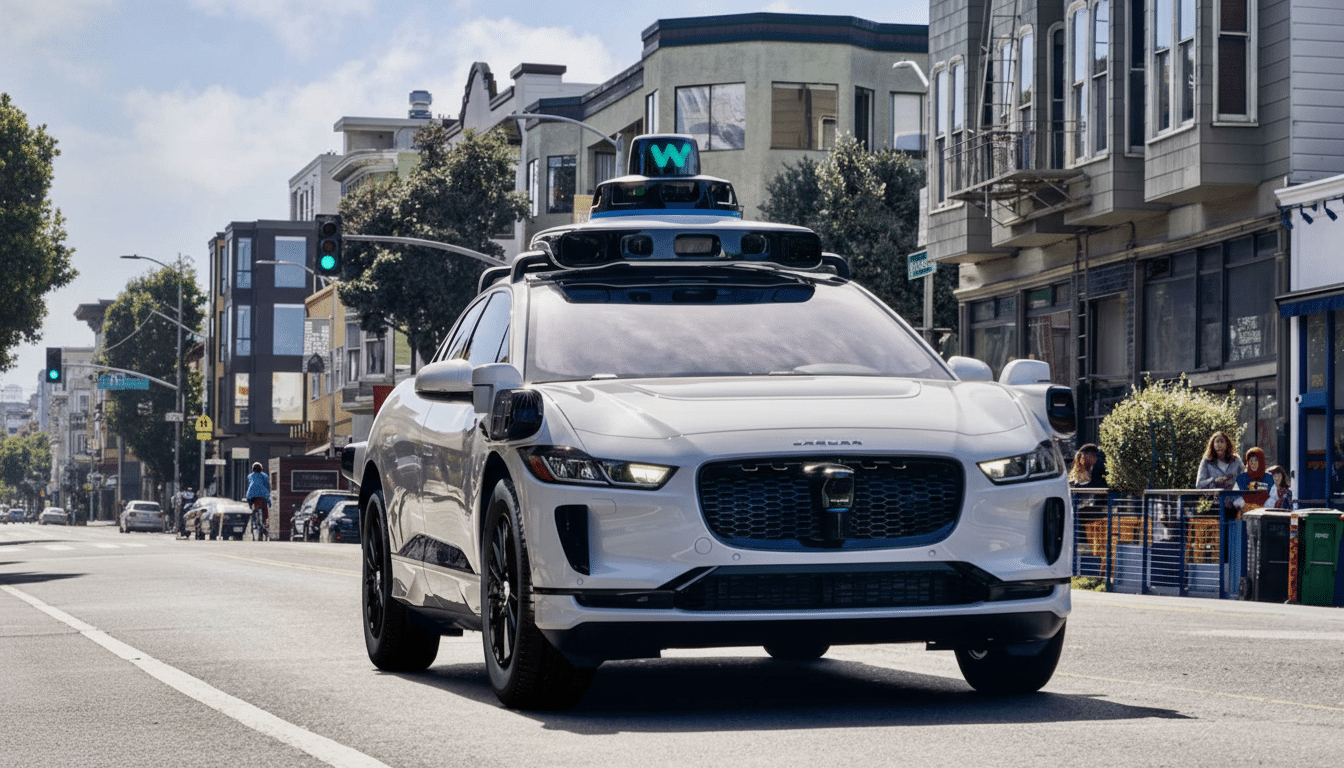
The company has set an ambitious target of 1 million rides per week as it scales robotaxi service. Waymo says it is handling roughly 400,000 weekly rides across six metros including Atlanta, Austin, Los Angeles, Miami, Phoenix, and the San Francisco Bay Area. Reducing “time to clear” for simple issues like a door left open is a practical lever for hitting those volumes without flooding streets with support vans.
How the Gig Works for Dashers and What Each Task Pays
When a Waymo can’t depart because a door is ajar, nearby Dashers receive a task ping. Screenshots shared in gig worker forums show one example paying $6.25 for a 0.7-mile drive to the car, with a $5 bonus once Waymo verifies the door is closed, putting the quick stop around $10 for a few minutes’ work. It’s an opportunistic add-on between deliveries rather than a dedicated shift.
It’s not the first time Waymo has leaned on gig networks for roadside help. In Los Angeles, drivers using the Honk app have reported previous microtasks such as shutting doors or simple resets paying in the $22 to $24 range, with tow requests running $60 to $80 when a stranded vehicle needed removal. The Atlanta approach pushes that model further by tapping DoorDash’s dense, always-moving workforce.
Human Help in a Driverless World Keeps Fleets Reliable
Autonomous vehicle operations are built around “human-in-the-loop” guardrails—remote assistance teams, field technicians, and, increasingly, flexible gig labor for micro-interventions. The goal is to minimize service disruptions and keep the fleet reliable without deploying a large, fixed-cost support crew on every block.
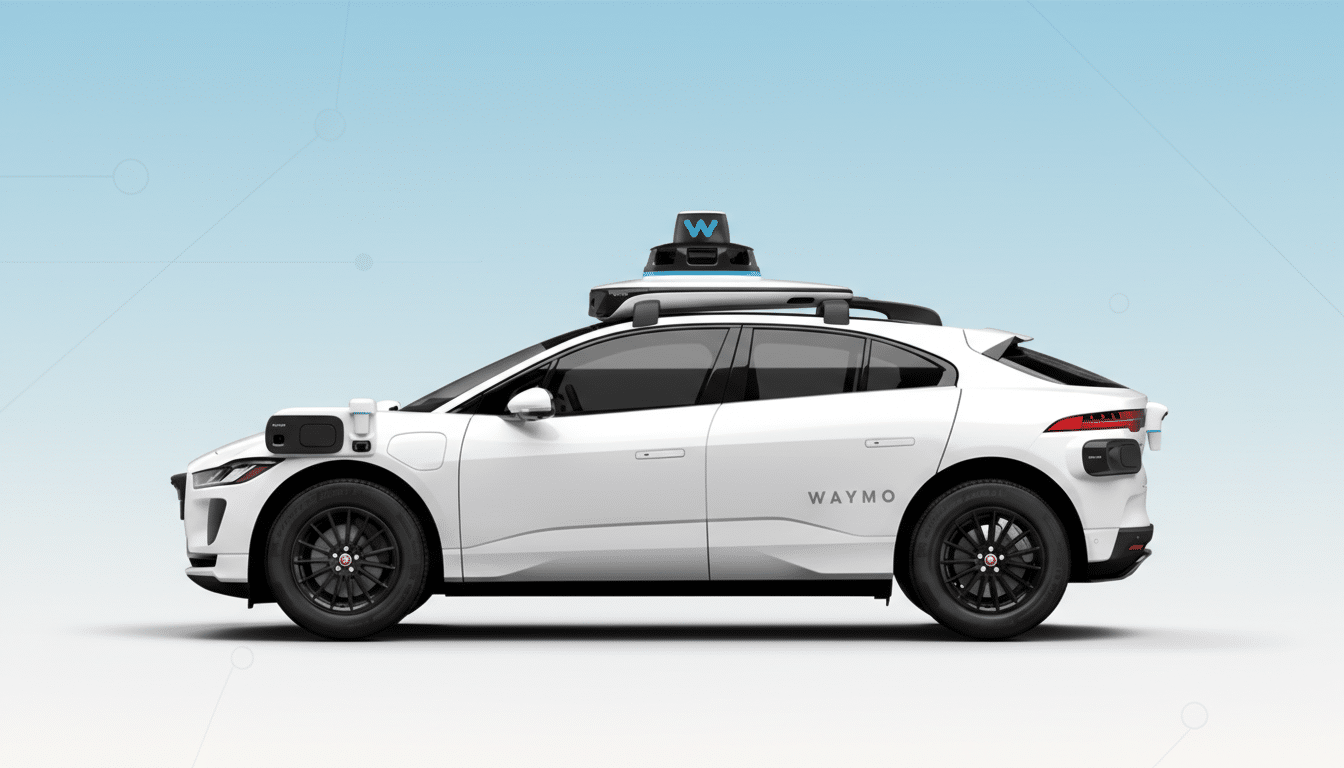
This hybrid model also speaks to public safety optics. Stalled AVs can impede lanes, frustrate other drivers, and invite scrutiny from regulators. The National Highway Traffic Safety Administration has examined a series of Waymo incidents as the industry matures, and cities remain sensitive to congestion around robotaxis. Fast resolution for low-risk snags like an open door helps reduce those flashpoints.
What It Means for Dashers, City Streets, and Operations
For Dashers, door-closing pings are bite-size earnings that can be stacked alongside meal runs. The economics vary by distance, traffic, and proximity, but the key is low friction: no complex tools, no customer contact, just a quick check and close. For gig workers navigating thin margins and rising costs, a few extra dollars during lulls can make a difference.
For cities, the upside is fewer robotaxis lingering at curbs and less need for specialized dispatch. Using an existing courier network also spreads response coverage without adding more service vehicles. It’s a pragmatic way to shrink mean time to recovery—an operations metric fleet managers obsess over—as self-driving services push into more neighborhoods and trip types.
A Small Fix With Big Implications for Autonomous Fleets
A closed door may sound trivial, but it underscores the last-mile problems that define real-world autonomy. Edge cases aren’t just complex software puzzles; they’re everyday human behaviors that trip up even polished systems. By enlisting Dashers, Waymo is acknowledging that speed, coverage, and cost control sometimes hinge on the simplest human touch.
As robotaxi fleets grow and trip density rises, expect more partnerships that turn gig workers into a distributed, on-demand pit crew. Whether it’s a door, a flat tire, or guiding a rider with accessibility needs, the path to fully autonomous mobility is likely to run through a blend of advanced AI and well-timed human help—paid by the task and measured in minutes saved.
