


A new poll from the makers of a popular reader poll plugin has revealed a strong demand for video playback in Android Auto — highlighting a trend toward modern vehicle in-car screens being used for more than just music and maps, at least when cars are stopped.
It’s a balancing act of convenience versus safety, but users have spoken, and the message is clear.
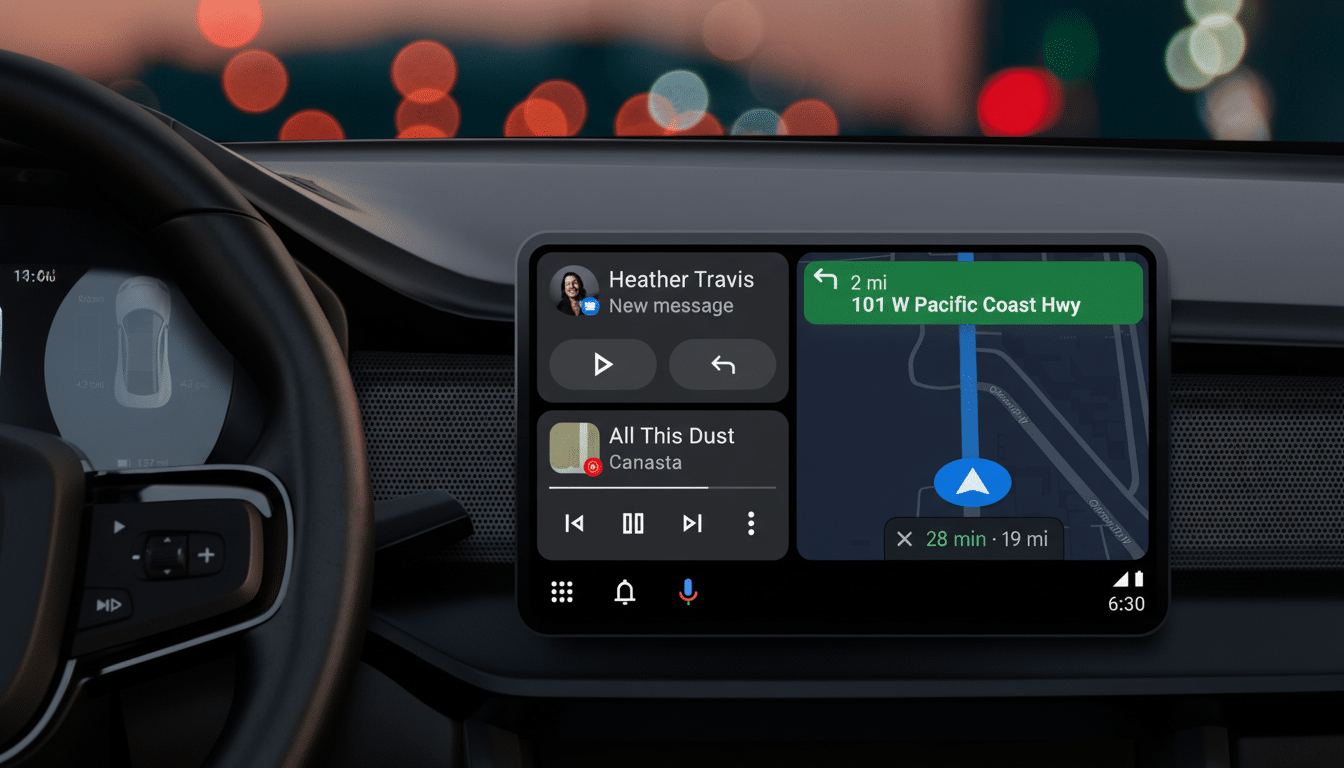
Poll shows strong demand for Android Auto video playback
Almost 10,000 people responded, and the collective results barely fall short of a consensus: folks want video support for Android Auto. Nearly half said it is absolutely necessary to have parked-only playback. Around another 40% took it a step further, begging for accessibility even when driving so they can watch on the central screen. Video was opposed by about 10%.
The rift illustrates a pragmatic middle way. They’re happy to have streaming blocked when the car is in motion, drivers say, but not when it’s parked to charge or wait by the side of a road. That mimics how most automakers already handle embedded infotainment: free to stream when the car is parked, locked down while it’s on the move.
Not everyone agrees. Skeptics contend that today’s dashboards are already overwhelming drivers, and some respondents advised against the allure of a mounted tablet for passengers. A smaller percentage wants Google to focus on reliability and polish, even if that means fewer new entertainment features.
Safety And Law Are Still The Gatekeepers
Regulators and safety researchers have for years said that distraction from the screens on the increasingly complex infotainment systems in vehicles is a significant source of concern. The National Highway Traffic Safety Administration suggests that visual-manual activities while driving should be restricted or blocked, and many states in the United States ban video screens in the driver’s field of view unless used to display driving data. In Europe, UNECE guidelines nudge manufacturers towards systems that reduce distraction and frequently bundle features with driver-monitoring protections.
Empirical data backs caution. The AAA Foundation for Traffic Safety has found that some infotainment operations can take drivers’ eyes off the road for more than 40 seconds — plenty of time to overlook hazards. Even “hands-free” doesn’t necessarily mean risk-free, according to research by IIHS and other groups, which points out that cognitive load can degrade situational awareness.
In that environment, the parked-only perspective is probably the most pragmatic compromise: video on at zero speed, off when moving, and no driver-viewable playback while in motion except on passenger-only screens with effective attention checks.
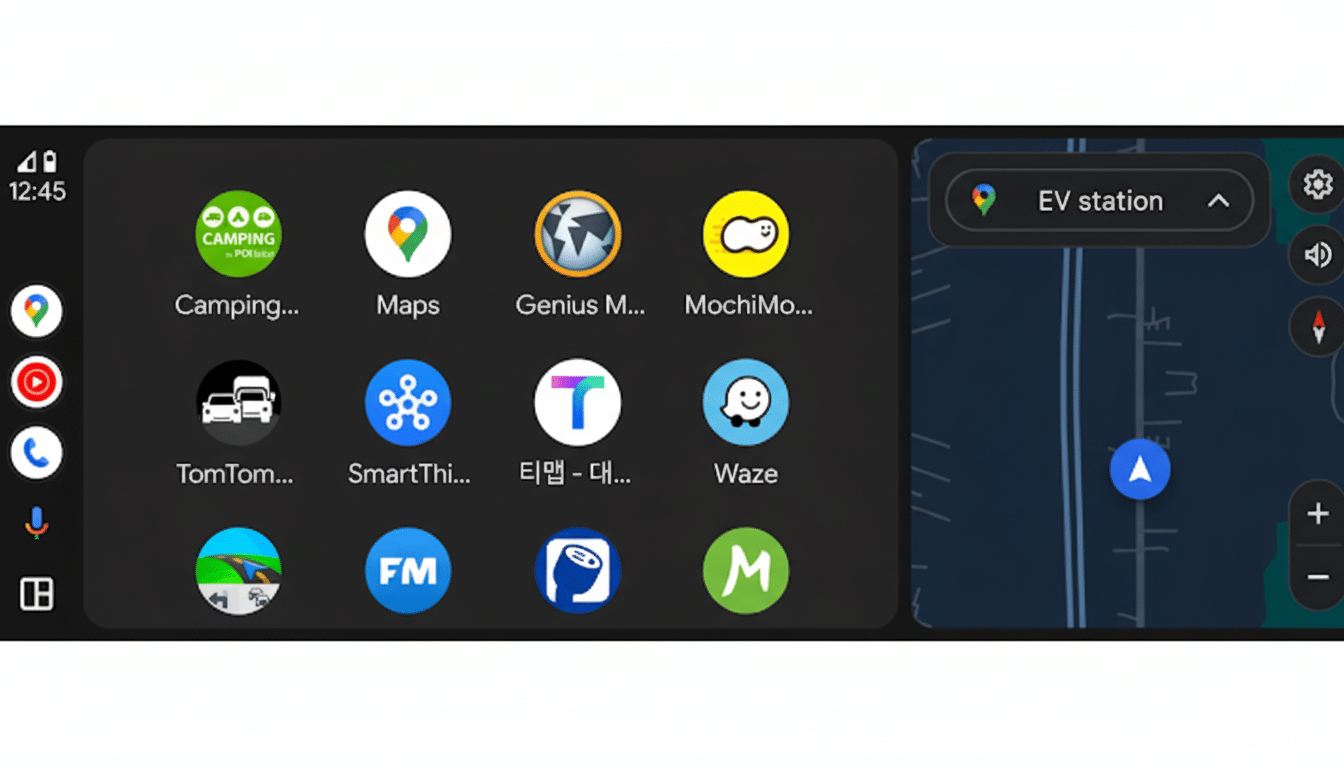
What Google can do next to enable safe Android Auto video
Android Auto already employs some motion-state limitations — think no on-screen typing in Maps while cruising down the highway, and a little gentle encouragement to use voice input. Applying that logic to video would be relatively simple in theory: allow playback in Park or even at a stop, with a quick pause when motion is detected.
For a more precautionary approach, Google can combine speed gating with context checks (e.g., needing to apply the parking brake or confirmation that content is for passengers only). Other prompts might tell drivers and passengers about local laws, which can vary widely by market. Crucially, whatever the solution ends up being has to feel like it just works out of the box; clunky prompts or false positives as they get going will annoy users and create a support headache.
There are workarounds by third parties, but they’re notoriously rickety and tend to fall apart with updates. They also pose policy and liability questions. A first-party, safety-conscious implementation would bring parity with platform policies and diminish motivation to sideload hazardous hacks.
Android Auto vs. Android Automotive: what it means for video
There’s also a platform wrinkle. Android Auto projects a phone to the car’s head unit and has restricted access to vehicle sensors. Android Automotive, though, is native on the car and connected directly to vehicle systems. But it’s this deeper integration that allows for a Volvo or Polestar Android Automotive model to offer apps like YouTube and Prime Video when the car is parked, to organically limit access while driving based on gear state and speed.
The catch is availability. Android Automotive often launches in more high-end trims, making implementation expensive and cumbersome for automakers. Although adoption is increasing, many mainstream cars continue to use Android Auto and Apple CarPlay for infotainment, which means a parked-only video solution on Android Auto would be especially appropriate for the mass market.
The bottom line on Android Auto video demand and safety
The user verdict is clear and loud: allow video playback in Android Auto, at least when the car isn’t driving. This approach upholds safety research and legal limitations while still reflecting what embedded systems currently give. Whether or not Google makes it official as parked-only content or introduces smarter passenger views, there’s a well-lit road to addressing this demand — and the audience certainly wants it.
