


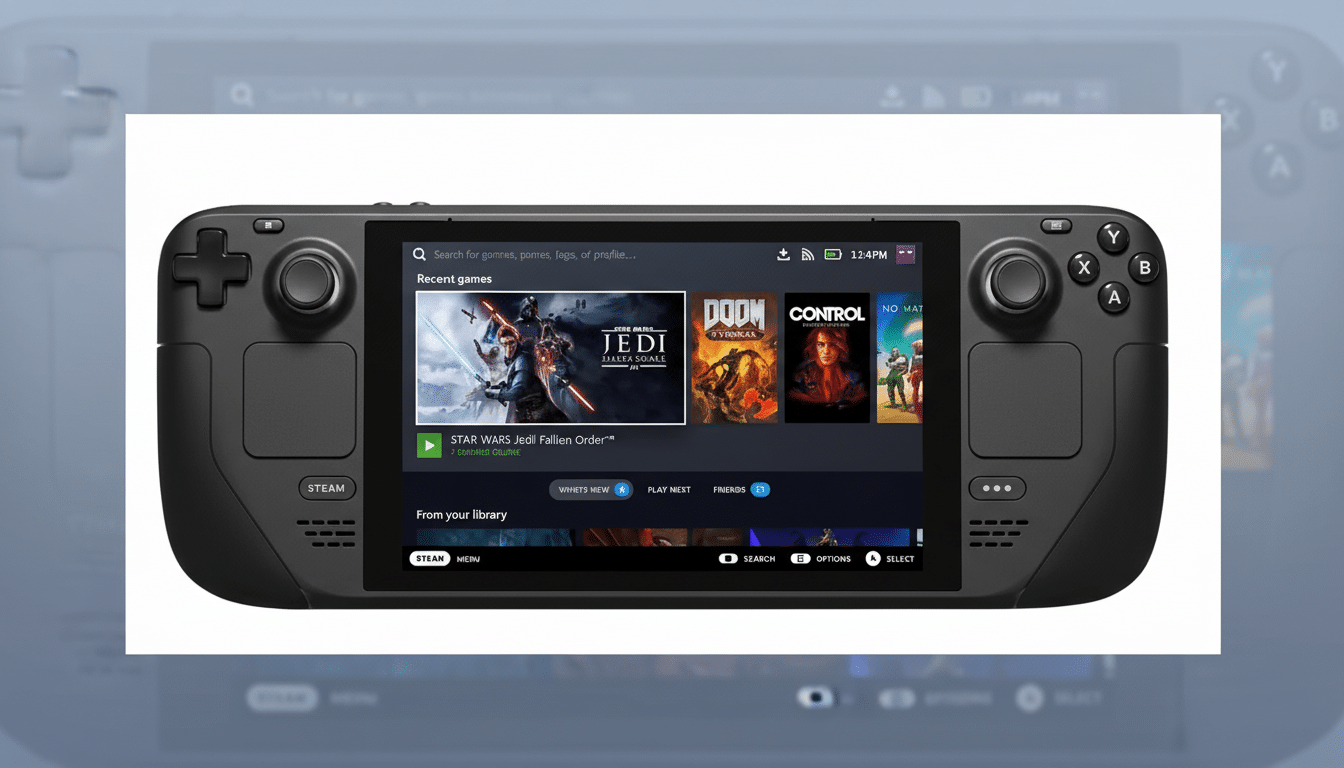
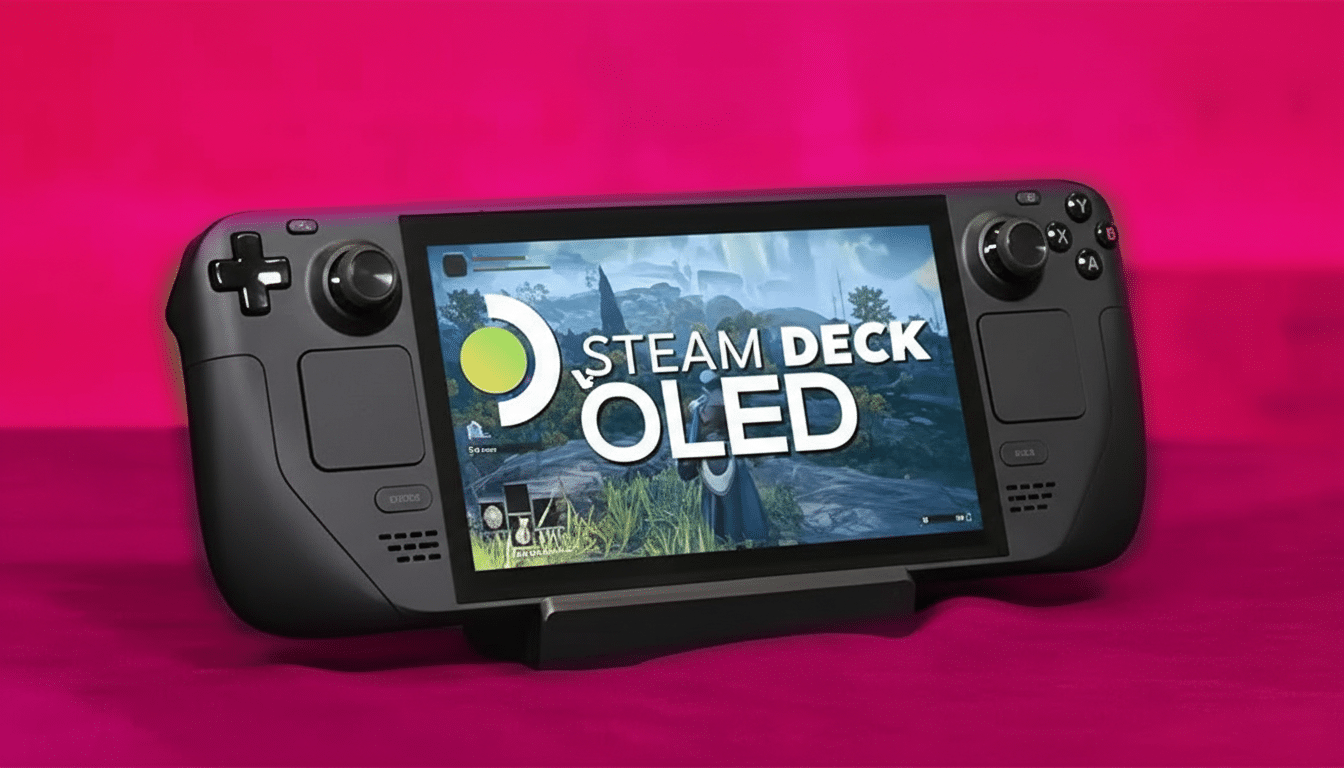
Valve has acknowledged what many suspected: the Steam Deck’s sudden scarcity is tied to shortages of RAM and storage, with the company warning that OLED units will come and go in some regions. Every configuration recently vanished from U.S. listings, and Valve’s own store notice now points squarely at constrained memory and SSD supply rather than a demand hiccup.
Valve Confirms RAM And Storage Constraints
In a brief statement on its product page, Valve cites limited availability of RAM and storage components as the reason for intermittent stock, particularly for OLED models. That’s consistent with what suppliers and analysts have described across the consumer electronics market: tight inventories for laptop-grade LPDDR memory and compact NVMe drives are disrupting production schedules.
AI Data Centers Are Soaking Up Memory Supply
The root cause sits upstream. Memory makers have been reallocating capacity toward high-margin data center products as AI demand surges. Firms like SK hynix, Samsung, and Micron have prioritized HBM and server DDR5, creating ripple effects for LPDDR used in handhelds and laptops. Market researchers at TrendForce have tracked consecutive quarters of double-digit percent price increases for several DRAM categories, with analysts noting that consumer segments are the first to feel the squeeze when wafer capacity shifts to data center parts.
Storage is on a similar trajectory. While NAND output has improved from prior lows, makers have curbed supply to stabilize pricing, and the small M.2 2230 form factor popular in handheld PCs has faced sporadic constraints. Retail availability of 2230 SSDs has tightened at higher capacities, adding another bottleneck for compact devices that can’t accommodate larger drives.
Why the Steam Deck Feels the Shortage More
The Steam Deck relies on fast LPDDR memory to feed its custom AMD APU and on compact 2230 NVMe modules to keep the chassis slim. Those aren’t plug-and-play components you can freely substitute. Memory speed and power characteristics are tuned for the system-on-chip, and the physical constraints of the handheld limit storage options. When the exact bins Valve qualifies become scarce, production can’t simply pivot to whatever’s in stock.
Compounding this, the OLED refresh concentrated demand on specific SKUs, further narrowing the acceptable component mix. That makes the Deck more sensitive to short-term swings than a desktop PC builder who can mix vendors and capacities.
Availability Outlook and Potential Pricing Risks
Industry forecasts suggest memory tightness lingers as AI servers consume a larger share of DRAM output. IDC and Omdia have both highlighted accelerating AI infrastructure spend, while TrendForce expects elevated DRAM contract prices as suppliers keep utilization aligned with profitable segments. Translation for consumers: restocks will arrive, but they may be smaller and less predictable, and price pressure could persist if component costs stay elevated.
Valve’s note hints at exactly that scenario, flagging intermittent OLED availability by region. In practice, that often means rolling batches rather than a sustained return to “in stock” status.
What Buyers Can Do Now to Secure a Steam Deck
- Enroll in stock alerts on the official store and trusted retailers, and be wary of markup-heavy third-party listings.
- Consider flexibility on storage capacity; higher-capacity 2230 drives are the most volatile, so midrange SKUs may reappear first.
- Look at refurbished or certified pre-owned units to bridge the gap without inviting scalper pricing.
- Upgrading storage yourself remains viable if you can source a reputable 2230 SSD, but ensure thermal pads, power draw, and firmware compatibility are appropriate for the Deck.
- Memory is not user-upgradable, so plan to buy the configuration you want on RAM when stock returns.
Knock-On Effects for Valve’s Future Hardware Plans
Valve has also indicated that the memory crunch is informing its broader hardware planning, forcing a fresh look at shipping timelines and price targets for upcoming devices. That’s a common refrain across the PC industry right now: when key components are scarce or pricier, either launch windows shift, or MSRP does.
The bottom line is straightforward even if the supply chain isn’t. This shortage isn’t about waning interest; it’s a constraint driven by upstream reallocation of memory and storage to AI-heavy infrastructure. Expect the Steam Deck to reenter carts in bursts rather than a full return to normal, and plan purchases accordingly.
