


Uber and Avride have flipped the switch on a commercial robotaxi service in Dallas, a major escalation in the ride-hailing giant’s quest to eventually integrate robotic cars into its core network. It’s a modest beginning to the launch — human safety operators on board and only a limited service area, but it plants Dallas as a high-profile proving ground for scaling up self-driving rides.
What Launches Today In Uber And Avride’s Dallas Rollout
The first fleet consists of Avride’s own all-electric Hyundai Ioniq 5s equipped with the company’s autonomous driving software. Service is limited to approximately 9 square miles of an operating terrain that encompasses downtown lanes and neighboring residential streets at the start, with limited expansion as performance measures and local feedback accrue.
- What Launches Today In Uber And Avride’s Dallas Rollout
- How Riders Would Use The Dallas Uber–Avride Robotaxis
- Why Dallas Is A Test Lab For Uber–Avride Robotaxis
- Safety And Oversight For The Dallas Robotaxi Pilot
- The Business Context Behind Uber And Avride’s Launch
- What To Watch Next As Dallas Robotaxis Scale Up
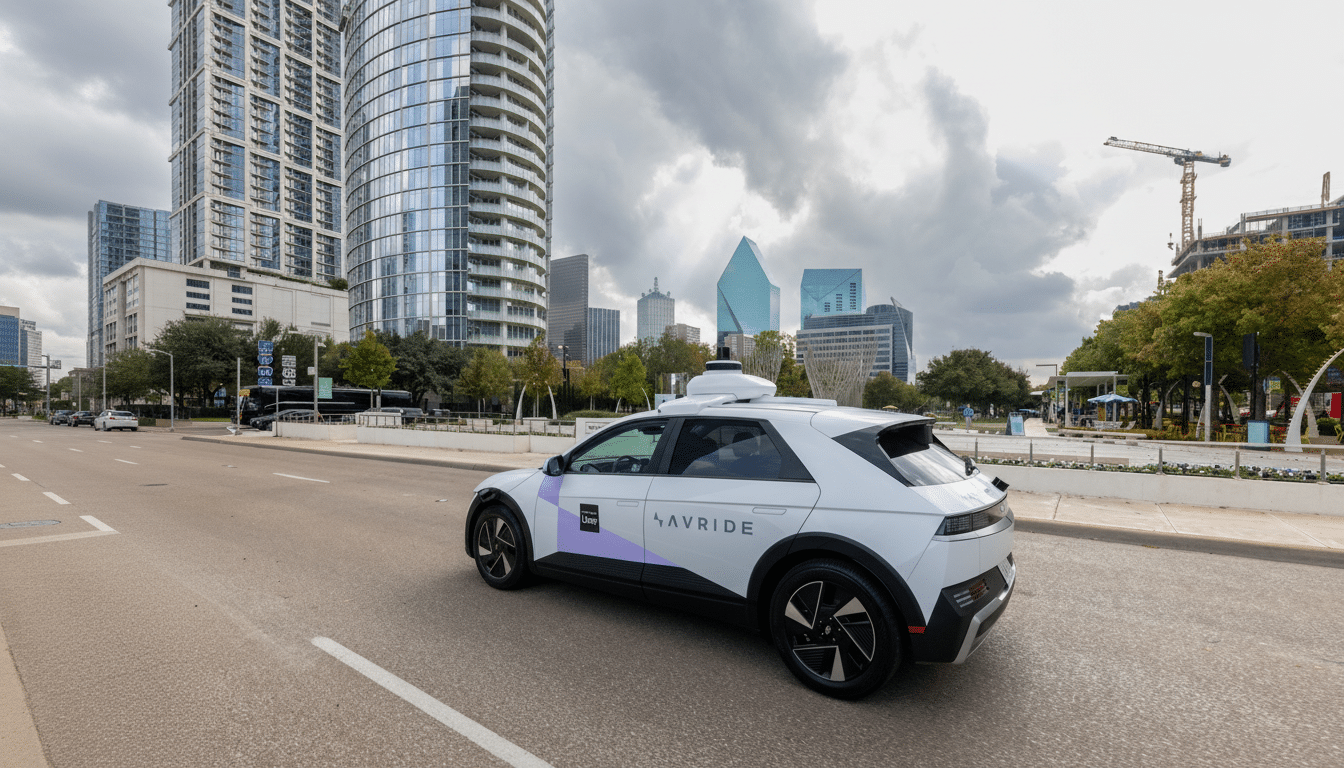
In the early days, Avride vehicles will begin operating with trained safety operators in the driver’s seat. The companies say fully driverless operation will come next, once validation milestones are achieved and operational design domain constraints expanded. An Uber spokesman said the fleet will expand from a modest start to hundreds of vehicles on Dallas highways in the coming years.
How Riders Would Use The Dallas Uber–Avride Robotaxis
Uber riders of UberX, Uber Comfort or Uber Comfort Electric may be matched with an Avride robotaxi for their trip if it starts and ends within the service area. The match is optional: Riders have the option to take a ride in the autonomous car or can opt out and switch to a human driver. Pricing is in line with other human-driven options, and the Uber app helps with fundamentals such as unlocking doors, popping the trunk and starting the trip.
For those who are excited to give autonomy a spin, an in-app setting can up one’s chance of getting matched with a robotaxi. Uber offers end-to-end rider support, with Avride focusing on experimentation and iteration of the autonomy stack through the pilot phase.
Why Dallas Is A Test Lab For Uber–Avride Robotaxis
Texas has one of the most permissive statewide regulatory regimes for autonomous vehicles: Overriding patchwork local rules, it permits driverless operation if the vehicles meet federal safety standards and maintain insurance. That clarity cuts down regulatory friction and enables AV companies to show reliability at scale.
Dallas also offers a challenging mix of driving conditions: high-speed arterials, a complex downtown traffic environment with construction zones as well as intense summer heat that can be hard on sensors and batteries. The vast Dallas–Fort Worth area, with almost 8 million residents, provides Uber and Avride with a rich testing ground in routing, charging logistics and peak-demand operations in live action.
Safety And Oversight For The Dallas Robotaxi Pilot
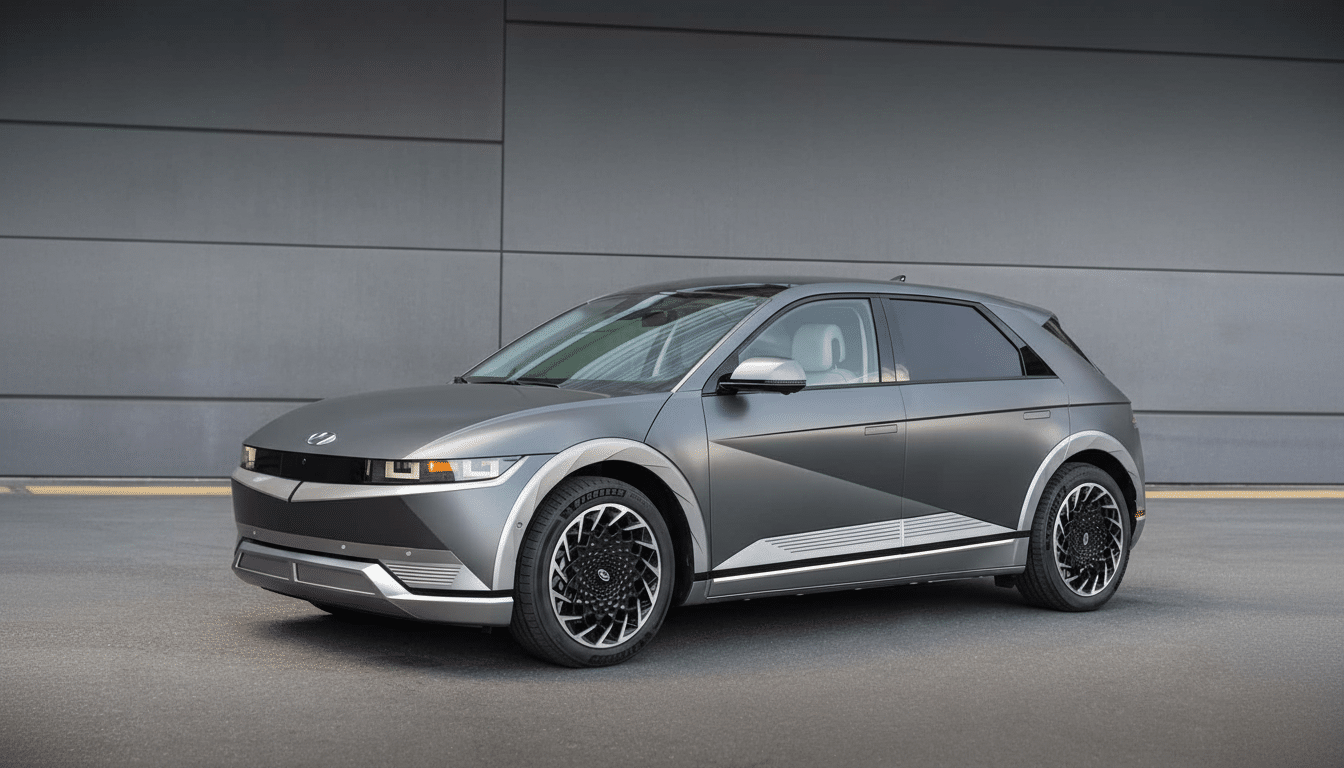
Safety drivers will oversee the road and the car’s behavior, prepared to seize control if necessary. As the system develops, Uber and Avride will be required to submit incident reports periodically at regular intervals consistent with National Highway Traffic Safety Administration’s ongoing reporting requirements for automated driving systems. The Ioniq 5’s efficiency off the line — up to around 300 miles of EPA-rated range, depending on configuration — should be helpful in maintaining operational uptime, although sensor loads and city driving can clip real-world range.
The new industry norm is clear safety cases, remote support for edge cases and conservative behavior around vulnerable road users. After high-profile disasters elsewhere in the industry, regulators and cities are closely watching measures like intervention rates, response time to emergency scenes or performance inside work zones.
The Business Context Behind Uber And Avride’s Launch
Dallas is part of a larger autonomy roadmap at Uber that includes passenger rides and deliveries. The company has signed strategic partnerships around robotaxis, freight and robotics with the likes of Waymo, WeRide and Nuro. Avride, a subsidiary of Nebius Group, has deployed sidewalk food delivery robots to Uber Eats in certain cities and recently landed $375 million in overall strategic funding and commercial commitments from Uber and Nebius.
The Dallas launch is in line with Uber’s strategy in other markets: The autonomy partner runs early fleets and platoons, while Uber plans to bring the day-to-day — in-house over time so a rider’s experience feels seamless within the Uber app.
What To Watch Next As Dallas Robotaxis Scale Up
Key milestones to watch encompass opening the operating zone, shifting to completely driverless rides and fleet size. Uber is likely to measure success in terms of how long it takes for the service to pick up riders, how many who have taken a break from using the company come back and whether it’s moving the needle on safety metrics. If Uber’s Dallas service meets those milestones, it would make good on the company’s promise to have that many cities in which autonomous offerings were widely available over the next decade and a half at least and give Avride what will likely be seen as a marquee deployment in an urban market rife with complications.
For riders, the short-term value proposition is straightforward: Take a regular-priced ride with a high-tech abridgment. For Uber and Avride, Dallas is a crucible — a chance to demonstrate that autonomous rides can operate safely, efficiently and at scale outside of tightly geofenced testing zones.
