


Consider this your heads-up. Tesla is about to retire the $8,000 Full Self-Driving buyout in favor of a $99 monthly subscription, and owners have one week left to lock in a lifetime license. The switch coincides with a broader reshuffle of Autopilot features that will make Tesla’s driver-assistance lineup look very different.
Run the math and the timing matters. Keep a car for eight years and the $99 plan totals $9,600, or $1,600 more than the current buyout. The longer you own the vehicle, the more you’ll pay on subscription—especially if, as Elon Musk has hinted, the monthly price rises as capabilities expand.
- What changes with Tesla’s FSD and what it will cost you
- How to lock in a lifetime FSD or start a monthly subscription
- Tesla’s Autopilot basics are shifting toward paid tiers
- Why Tesla is reshaping FSD around subscriptions and AI
- Safety oversight and the road to ‘unsupervised’ use
- Bottom line for current and future Tesla owners
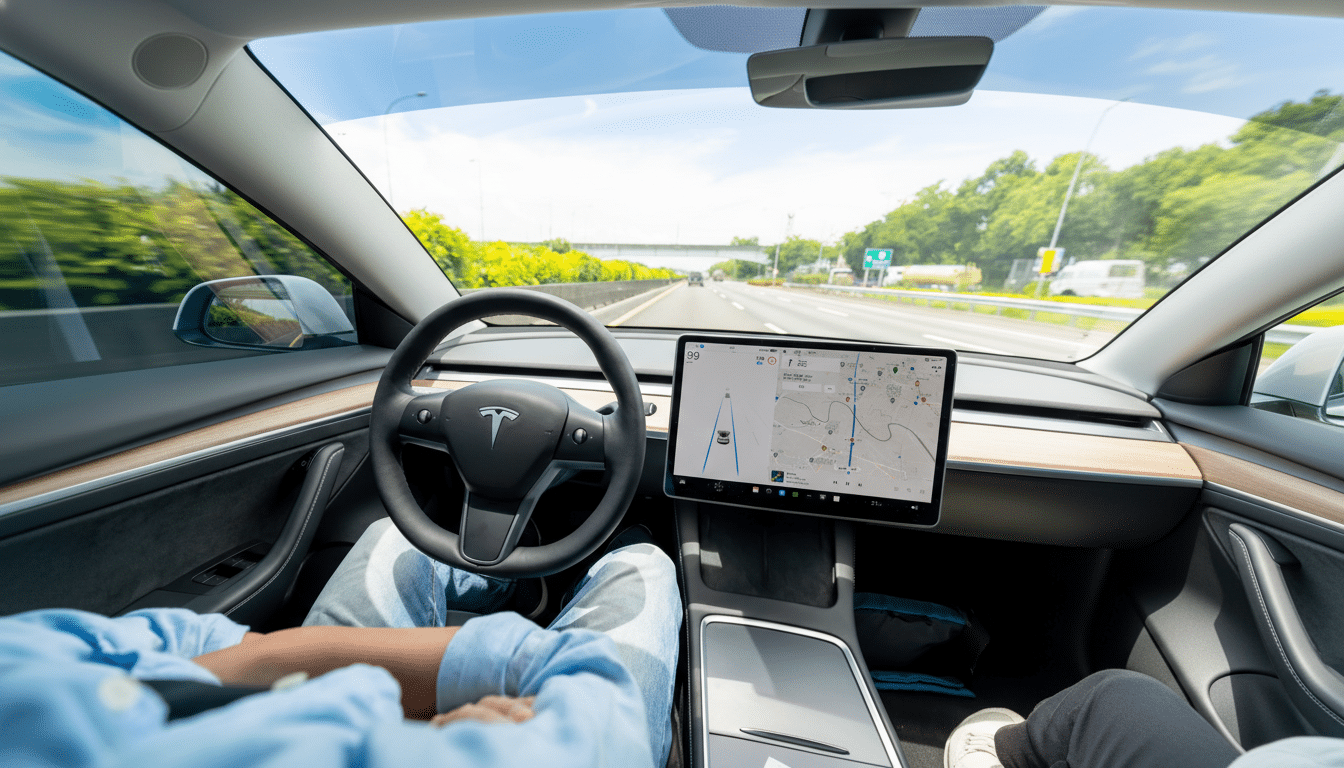
Despite the branding, FSD today remains a supervised system. Tesla requires drivers to stay attentive and ready to intervene, and regulators still treat these features as driver-assistance, not autonomy. Talk of “unsupervised” operation remains aspirational and contingent on both technical progress and regulatory approval.
What changes with Tesla’s FSD and what it will cost you
The buyout grants FSD access for the life of the car. Subscription spreads the expense but is open-ended. The break-even point lands at roughly 80 months—about 6.7 years—when $99 per month catches the $8,000 one-time fee. Own your car longer than that and the buyout wins. Trade frequently and subscription may cost less.
Price changes could shift that calculus quickly. If the monthly price rose to $129, an eight-year stint would cost about $12,384. Conversely, a three-year subscriber would pay roughly $3,564 at $99 per month, far less than the buyout. Your ownership horizon and tolerance for future price hikes are the deciding factors.
How to lock in a lifetime FSD or start a monthly subscription
Eligible vehicles can add FSD through the Tesla app or from the car’s touchscreen under Upgrades. The vehicle must have compatible cameras and onboard computer; if it’s eligible, FSD will appear as an option to purchase or subscribe. A software download typically follows before features become active.
One more fine print note: FSD buyouts are generally tied to a vehicle’s VIN and do not automatically transfer to a new Tesla. The company has occasionally run limited transfer promotions, but those are exceptions, not the rule.
Tesla’s Autopilot basics are shifting toward paid tiers
Tesla has pared back what comes standard. Traffic-Aware Cruise Control remains, maintaining speed and following distance, but Autosteer—lane-centering on marked roads—has dropped from the base feature set. That change effectively nudges drivers who want lane-keeping and automated turns toward paid packages, with FSD as the flagship option.
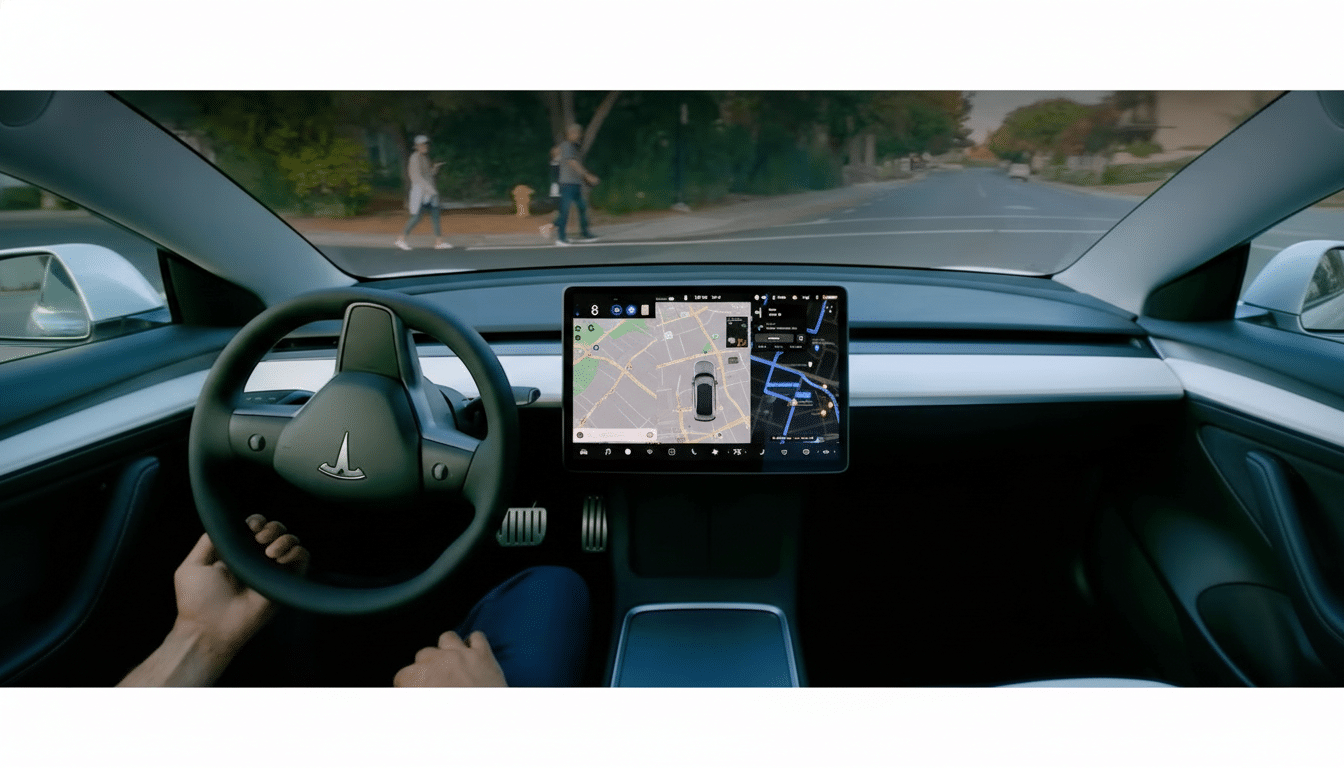
This is a different posture than many rivals. Ford and GM, for instance, package hands-free highway systems with free trial periods and then charge ongoing fees. The industry trend is clear: advanced driver assistance is moving to recurring revenue, but Tesla’s consolidation around its most advanced tier is especially aggressive.
Why Tesla is reshaping FSD around subscriptions and AI
The pivot aligns with Tesla’s broader AI-first strategy. Software subscriptions smooth revenue and can lift lifetime value per vehicle even when hardware margins tighten. That matters in a lineup where deliveries skew heavily to high-volume models like the Model 3 and Model Y, which recent company disclosures show make up roughly 97% of sales.
Tesla has also signaled a shift in resources toward robotics initiatives such as the Optimus humanoid project, underscoring the bet that AI software—not just car hardware—will power future growth. Concentrating driver-assistance features at the top tier fits that thesis.
Safety oversight and the road to ‘unsupervised’ use
Regulatory scrutiny isn’t going away. The National Highway Traffic Safety Administration has repeatedly examined Tesla’s driver-assistance behavior and over-the-air fixes. Independent evaluations from Consumer Reports and the Insurance Institute for Highway Safety stress robust driver monitoring and clear handoff protocols; no consumer system today is approved for driverless use.
Musk has said the subscription price will reflect progress toward higher levels of autonomy, but the pace will be shaped as much by safety outcomes and policy decisions as by neural network breakthroughs.
Bottom line for current and future Tesla owners
If you plan to keep your Tesla longer than about seven years, the buyout is the cheaper and more predictable route—and it insulates you from potential monthly price hikes. If you churn vehicles every three to five years, subscription may be the smarter financial play.
Either way, expect the landscape to keep shifting. Features will evolve, prices may climb, and the dividing line between Autopilot and FSD will blur as Tesla leans more heavily on paid automation. If you’ve been on the fence, this week is your last chance to lock in the old math before the new reality kicks in.
