


Team USA athletes won’t just be chasing gold—they’ll be wearing titanium. The U.S. Olympic and Paralympic movement has named Oura as its official wearable partner, putting the lightweight titanium Oura Ring on athletes’ fingers and making the device the exclusive health-tracking platform for the delegation. Beyond branding, the deal includes a research program designed to translate continuous, real-world data into better training, recovery, and travel strategies for medal contenders.
Why Titanium Makes Sense For Elite Sport
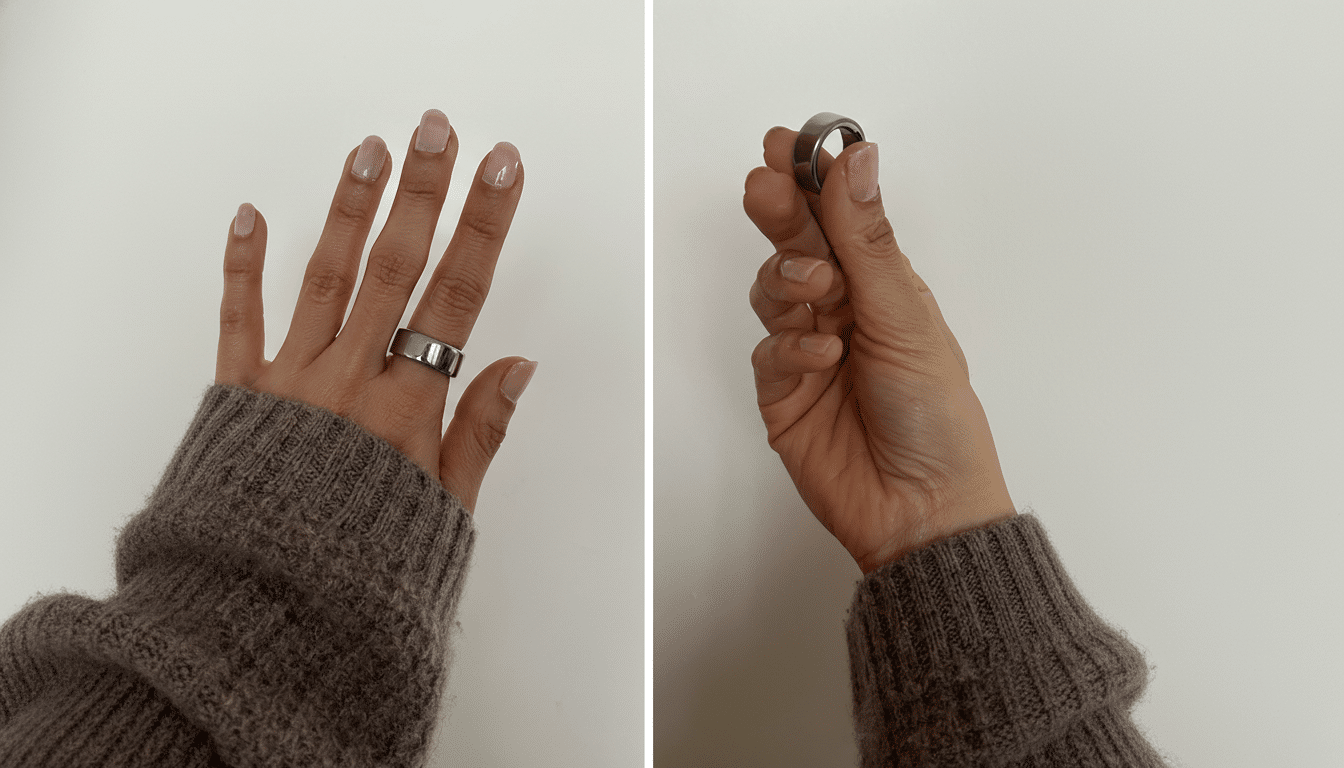
Titanium hits a rare sweet spot for athletes: it’s exceptionally strong, corrosion-resistant, and featherlight. The Oura Ring’s titanium shell keeps total weight to roughly the mass of a couple of paper clips—typically 4–6 grams—while withstanding contact, sweat, chalk, and pool sessions. Titanium’s hypoallergenic properties also matter when the device is worn 24/7, including during sleep, when most of the ring’s recovery insights are captured. Water resistance rated to recreational depths and a durable PVD finish mean the ring can survive the training grind without constant removal, a small but crucial advantage in high-compliance programs.
What Data Team USA Will See And Why It Matters
The ring’s value is in the continuous stream of physiology it collects: resting heart rate, heart rate variability (HRV), skin temperature trends, sleep staging, and activity metrics. Oura’s Readiness score synthesizes this into a simple daily signal—useful for interpreting how hard to push, when to taper, or when to prioritize recovery. For athletes hopping time zones, Oura’s jet lag tools combine chrono-science with personal baselines to suggest light exposure, sleep timing, and activity cues that accelerate circadian realignment.
For sports where wrist wearables are awkward or banned, a finger-worn device is pragmatic. Gymnasts, combat-sport athletes, and goalkeepers can often keep a ring on overnight and during travel even if it comes off for competition, preserving the longitudinal data needed to spot trends like mounting fatigue or illness.
The Performance Science Backing The Move
Sleep and recovery are no longer soft science. Stanford’s Human Performance Lab famously documented that extending athletes’ sleep improved sprint times and raised shooting accuracy in basketball, with free-throw and three-point percentages climbing by roughly 9%. HRV-guided training has been shown in peer-reviewed studies to help endurance athletes balance load and adaptation, reducing the risk of nonfunctional overreaching. Oura’s validations in academic settings have linked temperature deviations and HRV shifts to early signs of illness—findings echoed by projects with the Defense Innovation Unit exploring infection risk prediction from wearable signals.
In practice, that means coaches can pair subjective readiness with objective markers to fine-tune tapering, travel schedules, and practice intensity. Over time, a ring-length dataset becomes a fingerprint of an athlete’s physiology—what a true baseline looks like, how they respond to altitude, or which sleep routine aligns best with peak morning performance. Those are game-day edges earned months before competition.
From Sponsorship To A Real-World Feature Pipeline
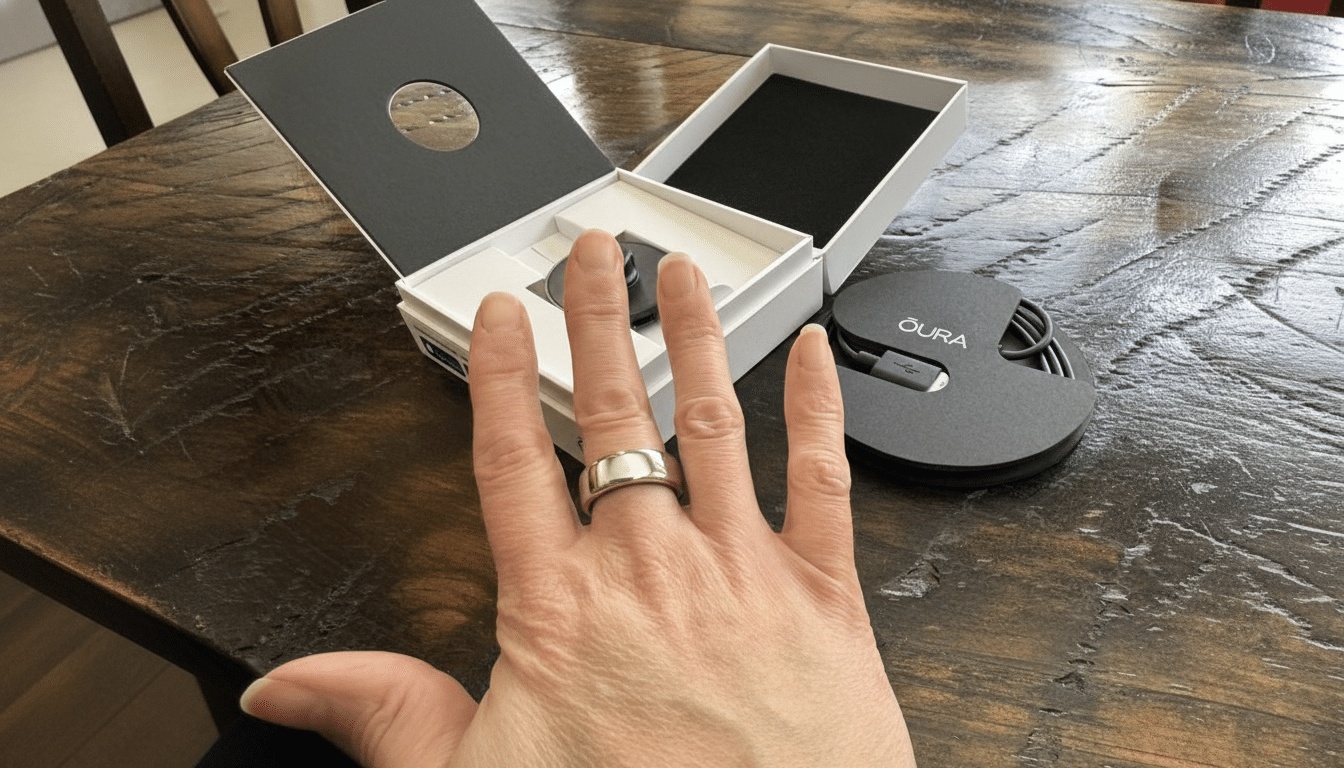
Partnerships like this do more than place logos on podiums. Working with National Governing Bodies—such as US Ski & Snowboard, USA Hockey, US Speedskating, and top women’s programs—gives product teams an extreme-use laboratory. Feedback on sleep staging in altitude camps, HRV under heavy strength blocks, or jet lag in multi-leg travel can accelerate algorithm tuning and inspire new features. Historically, elite deployments have led Oura to refine readiness models, expand temperature insights, and introduce travel planning tools that later land in consumer apps.
Expect the spotlight to include media inventory as well. The brand’s support of NBCUniversal’s multi-platform coverage ensures viewers will see the rings on screen—and likely in behind-the-scenes segments focused on recovery tech—further normalizing wearables as a standard part of elite preparation.
Data Control And Building Athlete Trust And Consent
Any performance advantage depends on trust. U.S. Olympic and Paralympic Committee frameworks emphasize athlete consent and purpose-limited use of health data; best practice is that athletes control their data, with teams seeing aggregated or opt-in views. Oura’s policy position has similarly stressed that personal metrics are owned by the user, not sold to third parties, and protected with encryption. For an always-on sensor, clear governance—what’s collected, who sees it, and when it’s deleted—is as important as battery life or sensor accuracy.
Why This Could Reshape Consumer Wearables
When technology proves itself in the crucible of the Games, it tends to trickle down. If Team USA’s programs show measurable gains—fewer soft-tissue setbacks, faster time-zone adjustment, steadier high-quality sleep—you can expect more prescriptive coaching inside consumer apps: personalized taper suggestions, smarter travel plans, and tighter integration of menstrual cycle and training load for female athletes. Titanium may be the eye-catching material, but the real story is the maturation of wearable physiology from novelty to necessity.
For Team USA, the ring is not jewelry. It’s a compact lab running all day and all night—a titanium-clad reminder that recovery is a skill, and that better decisions start with better signals.
