


T-Mobile is offering an “Ultimate Apple Bundle” that seems to give you an iPhone 17 Pro, an iPad A16 and an Apple Watch SE 3 for free. The pitch is slippery, the sticker price reads $0 — but the devil is in the fine print. If you’re wondering if you really do get a free iPhone, the answer is: not at checkout and only if you maintain your end of a long-term deal.
What “Free” Actually Means in T-Mobile’s Apple Bundle
“Free” in this deal refers to T-Mobile’s practice of applying monthly bill credits for the device equivalent to its price over the financing term — 24 months for the iPhone, 36 months on an iPad or on an Apple Watch. You’ll be charged full sales tax on the pre-credit price at sale, as well as a $35 connection fee per device. The credits work to pay down the financed amounts, not as instant rebates.
- What “Free” Actually Means in T-Mobile’s Apple Bundle
- The Fine Print You Probably Have to Accept
- How the credits and costs stack up over the term
- Who should consider this T-Mobile Apple bundle deal
- How it compares to similar offers from other carriers
- Bottom line: when this bundle makes sense—and when not
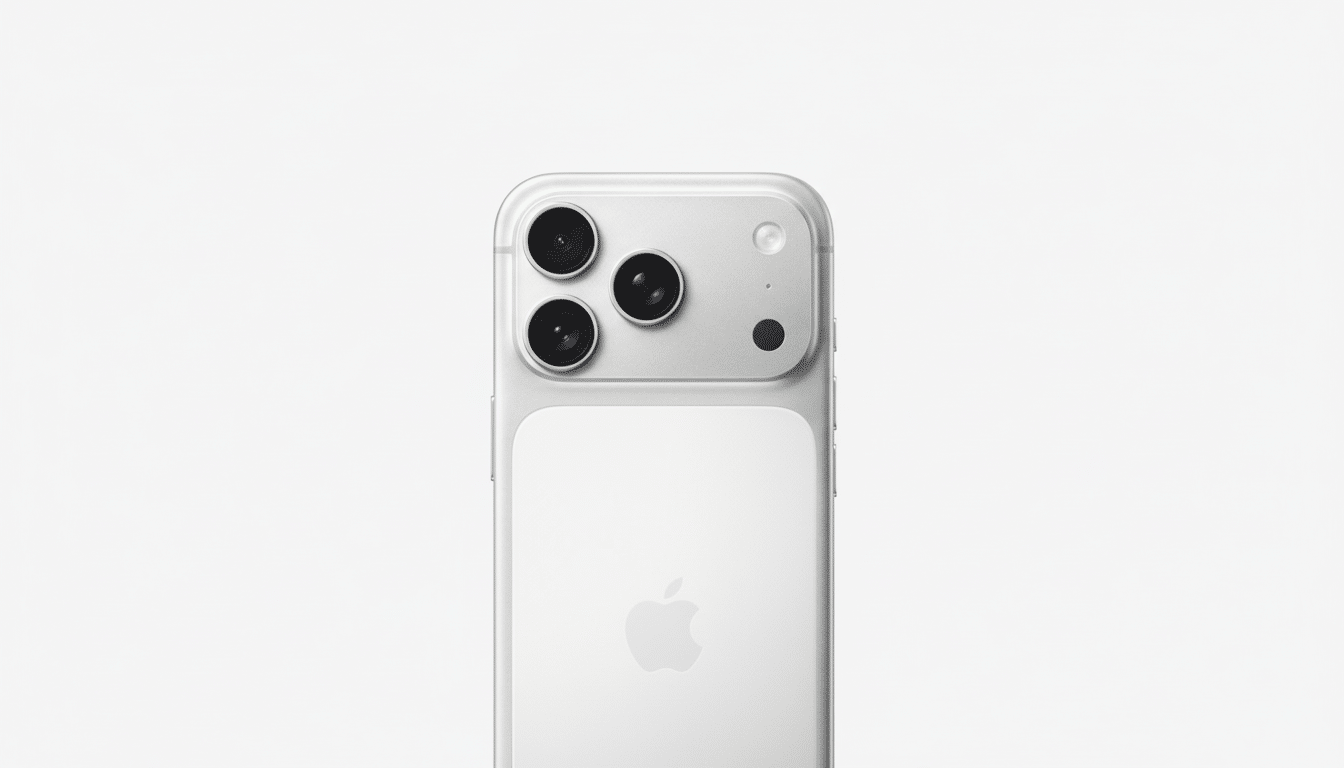
As long as you keep all necessary lines active and in good standing for the entire term, the cumulative credits can equal the full retail prices of the devices.
Repay the hardware early and those leftover credits disappear, leaving you stuck with any remaining unpaid balance. You’ve got to pay.
The Fine Print You Probably Have to Accept
To be eligible for the iPhone 17 Pro credits, you require an eligible trade-in (even damaged units will be accepted) and activation on T-Mobile’s Experience Beyond plan or an existing premium plan like Go5G Next. Experience Beyond is the carrier’s highest-tier unlimited offering, and its starting price is around $100 a month for a single line with AutoPay.
You’ll also need to add two new service lines: one line of mobile internet for your iPad and another wearable line for your Apple Watch. Each additional line comes with its own monthly fee. Those costs endure over the term of the credits if you actually hope to enjoy your “free” value.
The totals may surprise first-time customers. On the iPhone (starting at about $1,099), iPad (about $499.99) and Watch (about $299.99), you will have to pay sales tax upfront along with three separate connection fees of $35 each. For a state with an 8 percent tax rate, that would be approximately $151 in taxes on $1,898.99 worth of hardware, plus another $105 in connection charges before you’ve paid a month of service.
How the credits and costs stack up over the term
Here’s the basic deal: the iPhone is financed and credited over 24 months; the iPad and Watch over 36 months. As long as all of the necessary lines are in use, T-Mobile will post monthly credits to tip your device payments down to $0 throughout those months. If any line is canceled or discontinued, credits stop and the remaining balance on all devices will be due.
These deals are structured by carriers to do two things: minimize churn and increase adoption of high-value plans. Industry commentators and company earnings calls have often pointed out that multi-year bill-credit promotions lock customers into premium plans, in which operators recoup device subsidies through service revenue. It’s a common model among the big three carriers, not just some weird T-Mobile outlier.
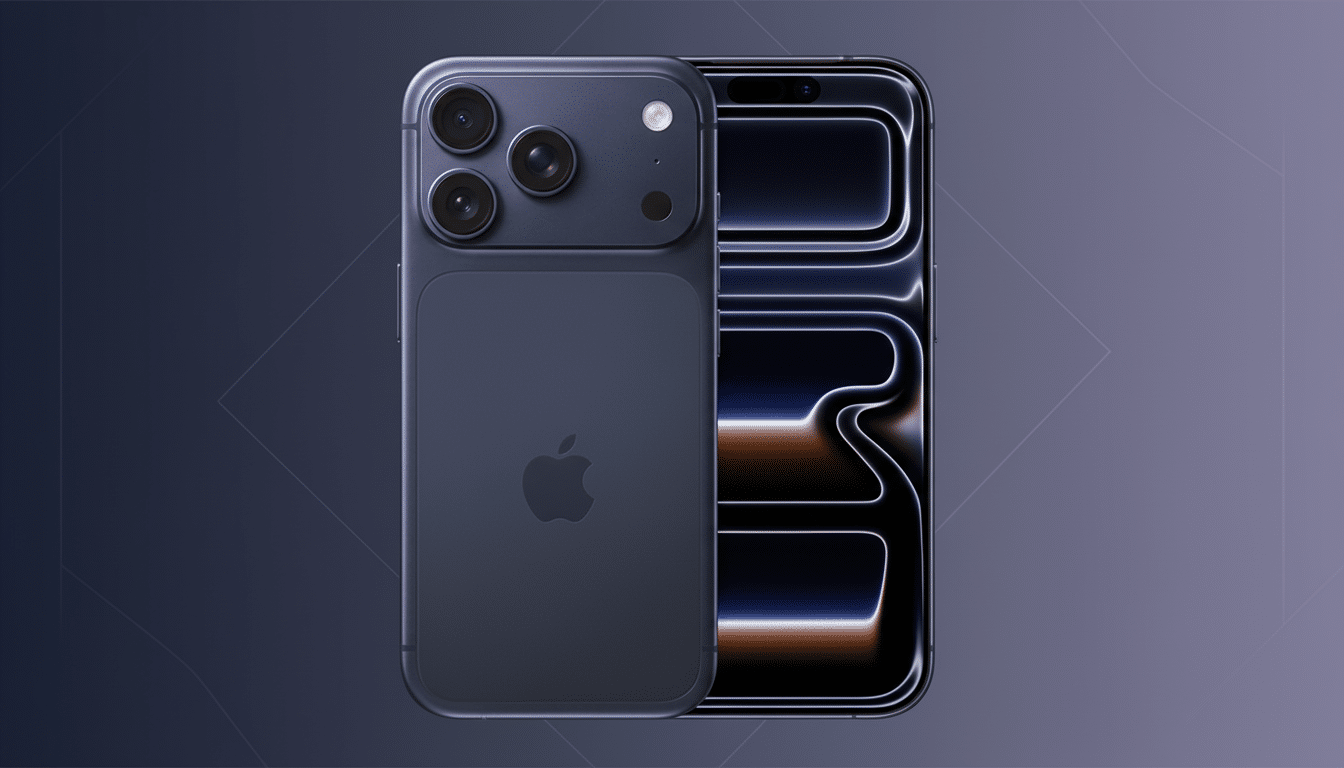
If you’re looking to get a new phone before 24 or 36 months, realize the trade-off: paying off devices early often involves giving up any remaining credits.
Unless your plan has some sort of early-upgrade stairway, you’ll end up paying more to get out the door early.
Who should consider this T-Mobile Apple bundle deal
That offer is appealing if you planned to tote T-Mobile’s most expensive unlimited plan for the next two or three years, need a new iPhone and will take advantage of both a cellular iPad and Apple Watch. Families, or busy mobile users who prioritize hotspot data and premium plan perks, can get plenty of value.
If you’re interested in just a cheaper phone, or don’t need additional lines, this bundle is too much. It’s also worth noting that budget shoppers usually come out ahead with a less expensive plan and a one-device promo. Consumer advocates, and analysts quoted by Consumer Reports, always remind buyers to add up the total cost of ownership — service charges plus taxes and fees and the time you have to invest — not just device prices.
How it compares to similar offers from other carriers
Verizon and AT&T also frequently offer equivalent iPhone ‘on us’ promotions — once again with eligible trade-in credits being issued over multiple years. The irony this time is T-Mobile offering up three Apple devices. That can be appealing for Apple households, certainly, but the same warnings apply: long terms, extra lines and credits that disappear if you leave early.
Third-party network testing firms like Ookla and Opensignal often rank T-Mobile near the top when it comes to 5G availability and speeds, helping make that long-term commitment seem less onerous for some users. That said, of course, network quality is by nature local — so just make sure to see what coverage looks like in your neck of the woods before you commit.
Bottom line: when this bundle makes sense—and when not
Yes, it can be reality — if you trade in an eligible device, move to T-Mobile’s premium plan, add these lines of service for iPad and Watch only, pay taxes and connection fees upfront on the full retail price (FRP) or Simple Choice Plus device financing price, and keep them all active until you receive your bill credits; then use them towards a 24- or 36-month payment term. It’s a savvy way to upgrade an entire Apple setup for the right customer. For everyone else, it’s a costly detour dressed up as a deal.
