


Are foldable phones worth it in 2026? A survey of more than 6,200 readers says yes for most people, with nuanced caveats. Nearly half of respondents said they love foldables, while a sizable minority still question the trade-offs. The verdict isn’t a blanket endorsement, but it does signal a maturing category that’s finally delivering on its promise for many users.
What the reader survey shows about foldable phone appeal
The top line: 49.44% voted that they love foldables. Another ~21% said they aren’t worth it yet, but they still love the idea. Roughly ~20.5% believe a conventional phone remains the smarter buy, and ~9% are unsure. However you slice it, at least 70% of respondents expressed some level of enthusiasm for the form factor, even if they’re waiting on refinements.
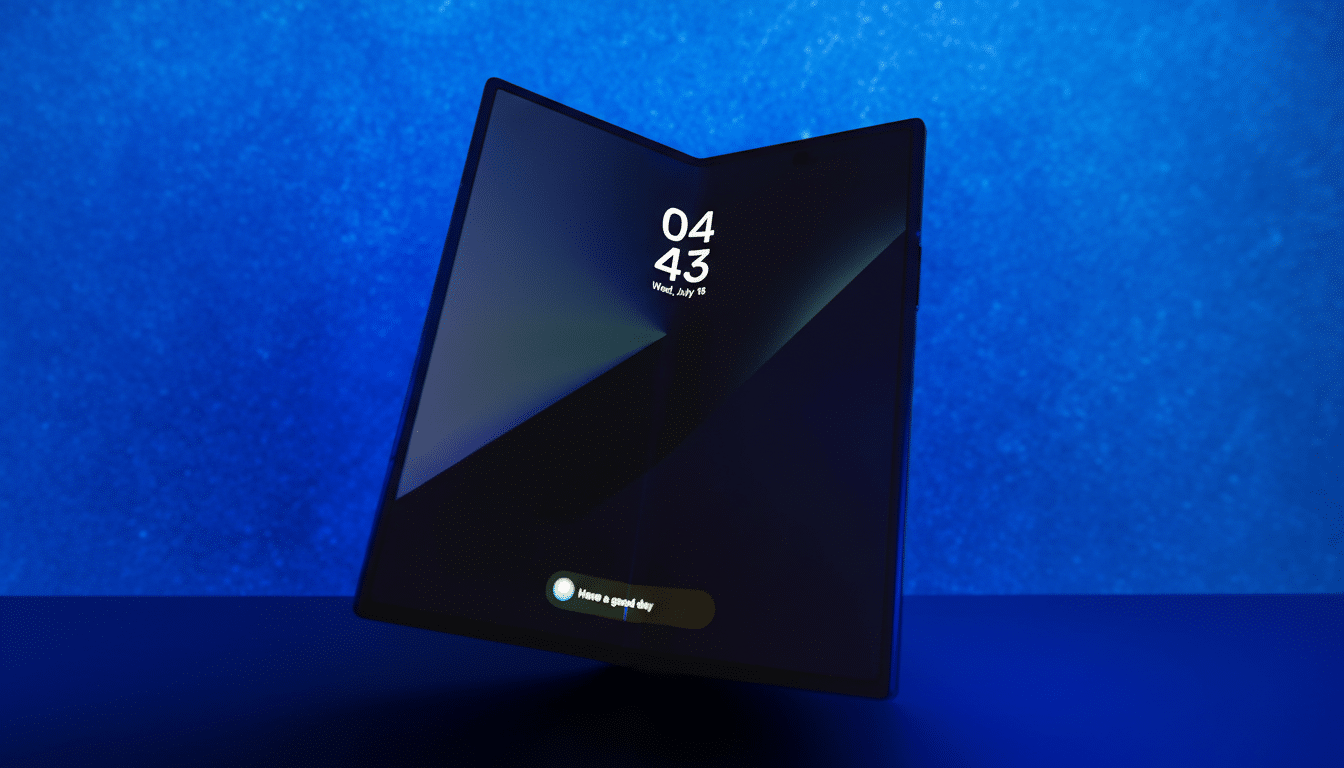
Flip-style owners praised easy pocketability and the way an outer display cuts down doom-scrolling. Book-style users highlighted real productivity gains—running two apps side by side, reviewing documents on a tablet-like canvas, and enjoying cinemascope streaming on flights. That split mirrors the broader market: flips win on convenience and style, books on multitasking and media.
Why fans say foldables are worth it for daily use
Use case is everything. If you live in split-screen, edit photos and docs on the go, or want a compact phone that expands to a mini-tablet, foldables deliver tangible value you can’t replicate with a slab. Stylus support on some book-style models further blurs the line with small tablets for note-takers and creatives.
The experience has also improved. Hinge mechanisms are stiffer and thinner than early generations, crease visibility has eased, and software is better at remembering app layouts when you open and close the device. Major apps now adapt more gracefully to tall cover screens and squarish inner displays, addressing an early pain point for power users.
Carriers and manufacturers have helped on price with aggressive trade-ins and bundles. For buyers who stack promos, the premium over a high-end slab can narrow dramatically, tilting the calculus from “luxury experiment” to “logical upgrade.”
Where foldables still fall short and frustrate buyers
Cost is still the headline friction. Foldable display stacks remain expensive to produce, as screen analysts at DSCC have repeatedly noted, and you can feel it in sticker prices. Without a strong trade-in, many buyers pay hundreds more than for an equivalently specced slab.
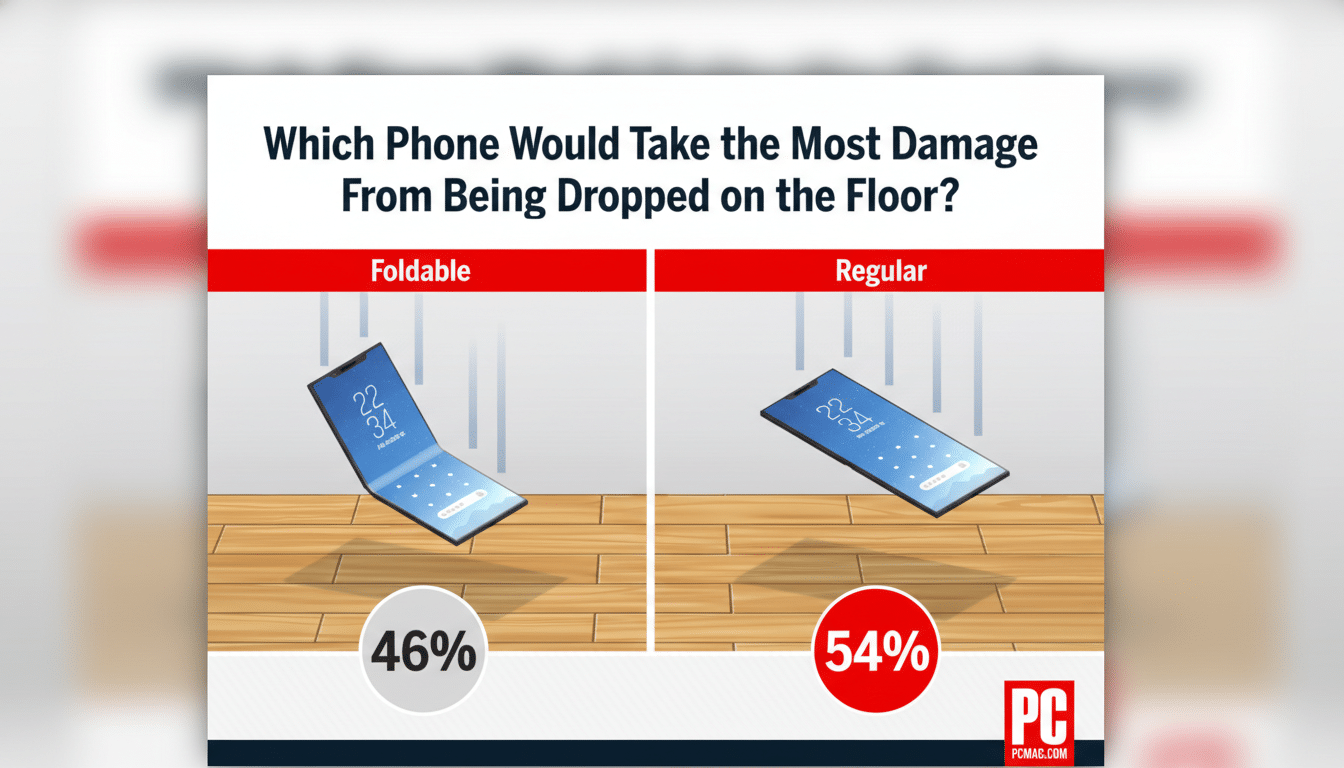
Durability is better, but not bulletproof. Ultra-thin glass and complex hinges bring more potential failure points, and screen protectors on inner displays still require care. Independent teardowns from iFixit and drop tests from firms like Allstate Protection Plans have shown that foldables can be more fragile in certain scenarios than traditional phones. Water resistance is common, but dust protection is often weaker, an issue for anyone who works outdoors or at the beach.
Cameras and battery life can be mixed. Some flagships match slab counterparts, but others compromise on sensor size, optics, or thermals to fit folding mechanics, leaving you with very good rather than class-leading photos. The extra screen area can also challenge battery endurance if you lean on the big inner display all day.
Market reality and what comes next for foldable phones
Industry trackers such as Counterpoint Research and IDC report steady double-digit growth for foldables from a relatively small base, with flips and books both contributing. That momentum is helped by more competition, wider retail presence, and rising app support. Resale analysts have also noted that early depreciation for some models was steeper than slabs, though values tend to stabilize with newer generations and stronger brand support.
Expect more variety ahead. There’s persistent industry chatter about new entrants and wider aspect ratios, which could improve typing comfort on cover screens and reduce the “remote control” feel some users dislike. If component costs continue to fall and dust protection improves, the remaining objections shrink further.
So, are they worth it in 2026? Our survey’s bottom line
For productivity-first users, frequent travelers, commuters, and anyone who prizes compact-to-expansive flexibility, a foldable can justify its premium—especially with a solid trade-in. If you prioritize the very best camera system, maximum durability, or the lowest total cost of ownership, a top-tier slab still makes sense.
Our survey shows a clear tilt toward yes, with almost half already convinced and another chunk emotionally on board but waiting for one more round of refinements. If manufacturers can keep closing gaps on price, dust resistance, and cameras while preserving the big-screen magic, 2026 could be the year when “niche” quietly becomes “normal.”
