


Consumers have spoken: a broad reader poll has crowned Google the top Android phone maker, edging out Samsung and OnePlus in a competitive field. The results point to a clear top tier and reveal what mattered most to Android fans in the latest product cycle—long-term software support, practical innovations, and a steady hand on strategy.
Google Leads Voter Sentiment on Software and Support
Google secured just over 32% of votes, reflecting strong enthusiasm for the latest Pixel lineup and the company’s extended update commitments. Voters appear to have weighed long-term software support, optimized Android features, and cohesive device strategy above lingering complaints about battery and thermal performance. In reader comments tied to the poll, some argued that support policies and camera reliability outweighed hardware hiccups.
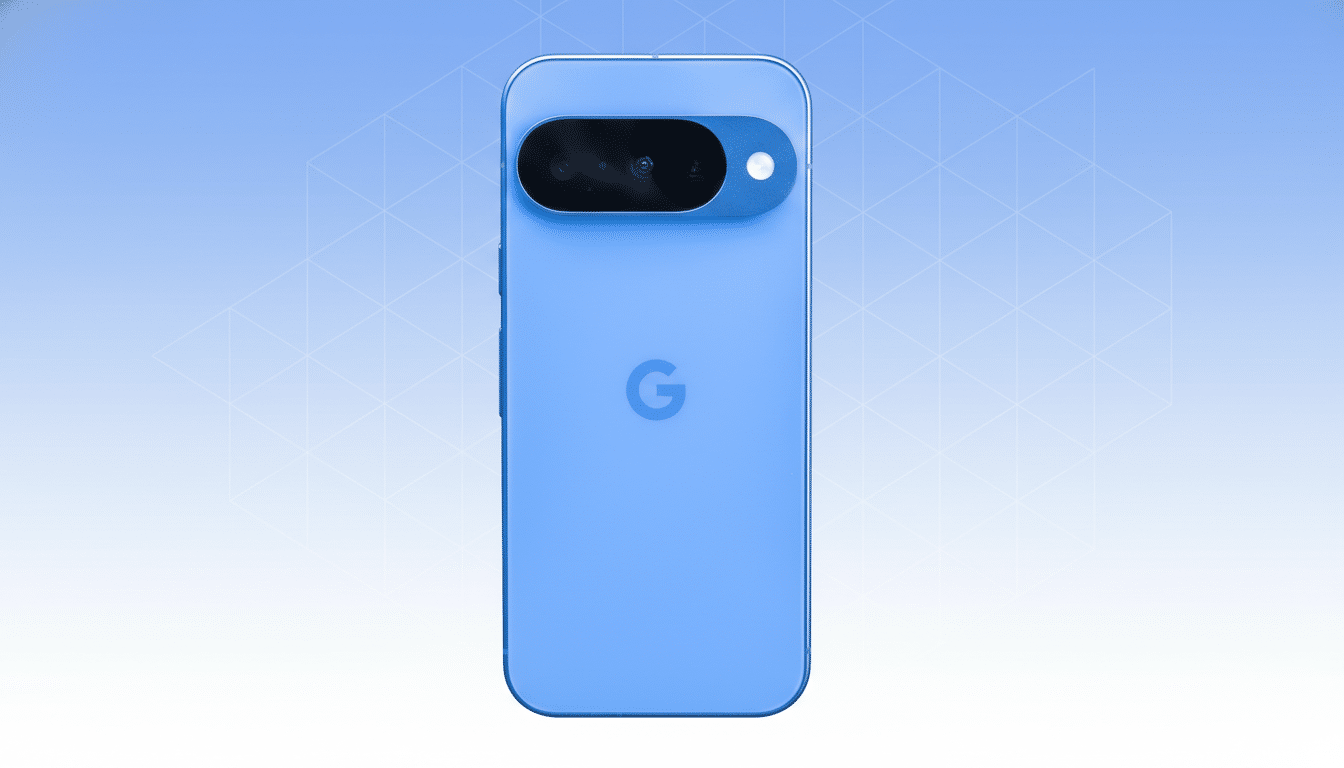
That outcome aligns with broader market observations. Analysts at Counterpoint Research and IDC have repeatedly noted that software longevity and camera experience are major drivers of user loyalty in the premium Android segment. Pixel phones, which often serve as the reference point for new Android capabilities, benefited from that halo this cycle—even as some power users flagged battery consistency as a drag on day-to-day endurance.
Samsung Holds Second on Foldables and Stability
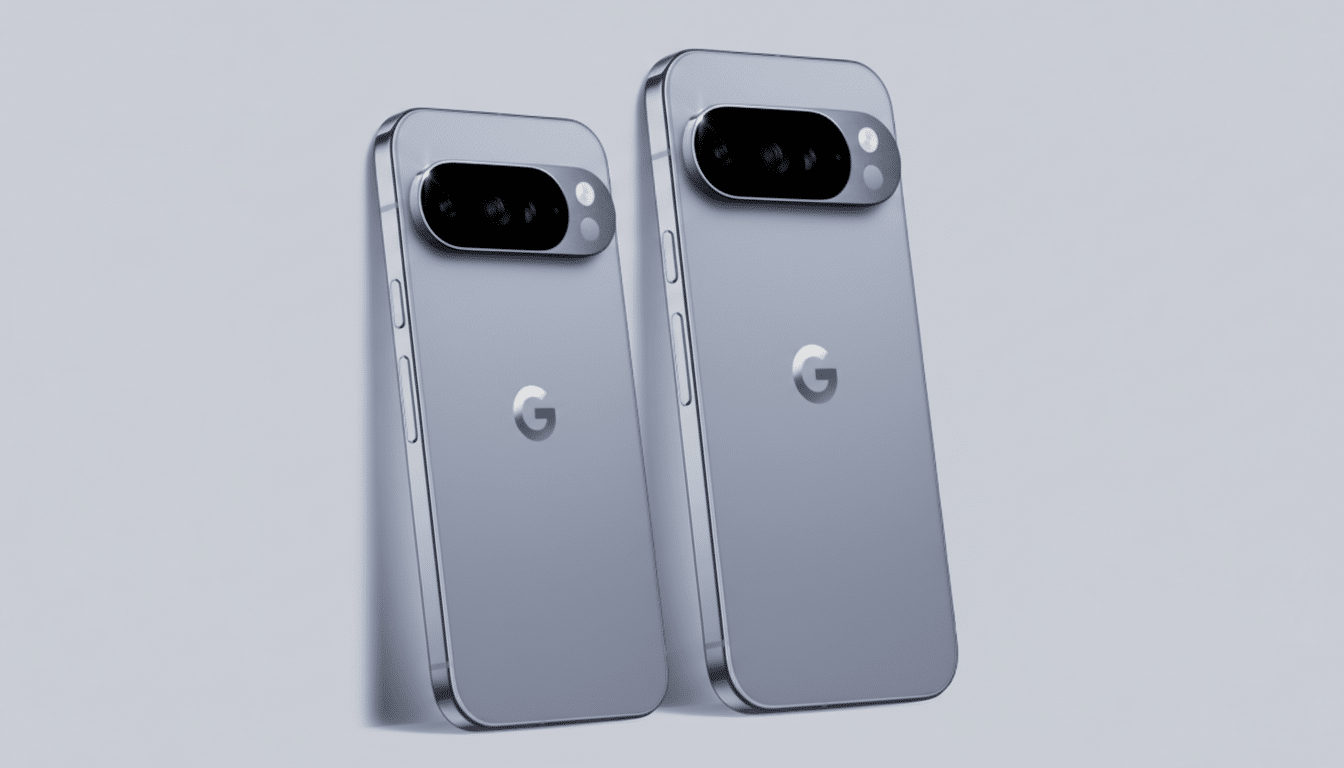
Samsung placed second with around 27%, buoyed by a portfolio that, while iterative in places, delivered signature moments in foldables. Voters repeatedly cited devices like the Galaxy Z Fold 7 and the headline-grabbing TriFold as evidence that Samsung remains the brand to beat on cutting-edge form factors.
Samsung’s consistency also showed up in perceptions of software and ecosystem. Its multiyear update pledge is now competitive with the best in Android, and that stability—combined with strong trade-in programs and broad retail presence—continues to resonate with mainstream buyers. Market trackers including Canalys and IDC have highlighted the expanding foldable category, and Samsung’s entrenched position there clearly helped.
OnePlus Rides a Wild Year to a Solid Third Place
OnePlus finished a distant but safe third with close to 14%. The brand’s arc this cycle was anything but steady: a blazing start with the OnePlus 13 series won early plaudits, while late-year decisions around the OnePlus 15 lineup—camera trade-offs, a polarizing software direction, and feature omissions that fans treasure—dampened momentum.
An accompanying reader grading poll helps explain the strong placement. Nearly half of respondents awarded OnePlus an A, with another 24% assigning a B; roughly 7 in 10 put the brand in the top two grades. In comments, many owners praised battery life and rapid charging, while others criticized camera downgrades, the loss of the alert slider, and an interface that felt less distinct. The split suggests a passionate core fanbase that still sees OnePlus as a performance value leader, even as the brand experiments with strategy.
The Rest of the Android Field Trails the Leaders
After the top three, the vote share fell off quickly. Xiaomi, Motorola, and OPPO each landed in the mid-single digits, with the remaining roster chasing small slices of the pie. Reader feedback pointed to a few recurring hurdles: limited North American availability for several brands, uneven update cadence, and design choices like the disappearing headphone jack that still irk a subset of buyers.
Hardware progress was notable across the board—silicon-carbon batteries, more robust charging systems, and wider flirtation with magnet-aligned accessories drew praise—but it wasn’t always matched by coherent software roadmaps or timely Android updates. As multiple research firms have emphasized, closing that gap is critical to keeping users engaged beyond the first year of ownership.
What the Results Tell Us About Android Buyer Priorities
This poll underscores a simple truth: buyers reward clarity. Brands that pair stable, long-term software support with tangible, everyday improvements rise in consumer esteem. Foldables can create headline wins, but the long game is still about reliability, updates, battery life, and cameras that perform without fuss.
For Google, the mandate is to shore up endurance while protecting its software lead. For Samsung, continued innovation in foldables must be matched by less iterative slab phones. For OnePlus, harnessing early-year momentum and listening closely to fan-favorite features could turn a solid third place into a genuine title challenge. Everyone else has a clear playbook: improve update velocity, expand availability, and double down on meaningful, not just flashy, upgrades.
