


The clever accessory vendor that turned e-readers into comfortable one-handed devices just took its flagship idea into the world of iPads. At CES, Strapsicle debuted an iPad mini case that includes silicone straps — no glue, no oversized appendages — that will completely change how you read and take notes for the better. It’s a really simple effect done with surprising grace, and it instantly makes the case feel less thick despite being in what is damn near a sea of shameless tablet skin me-too cases.
What Sets This iPad mini Case Apart from Typical Grips
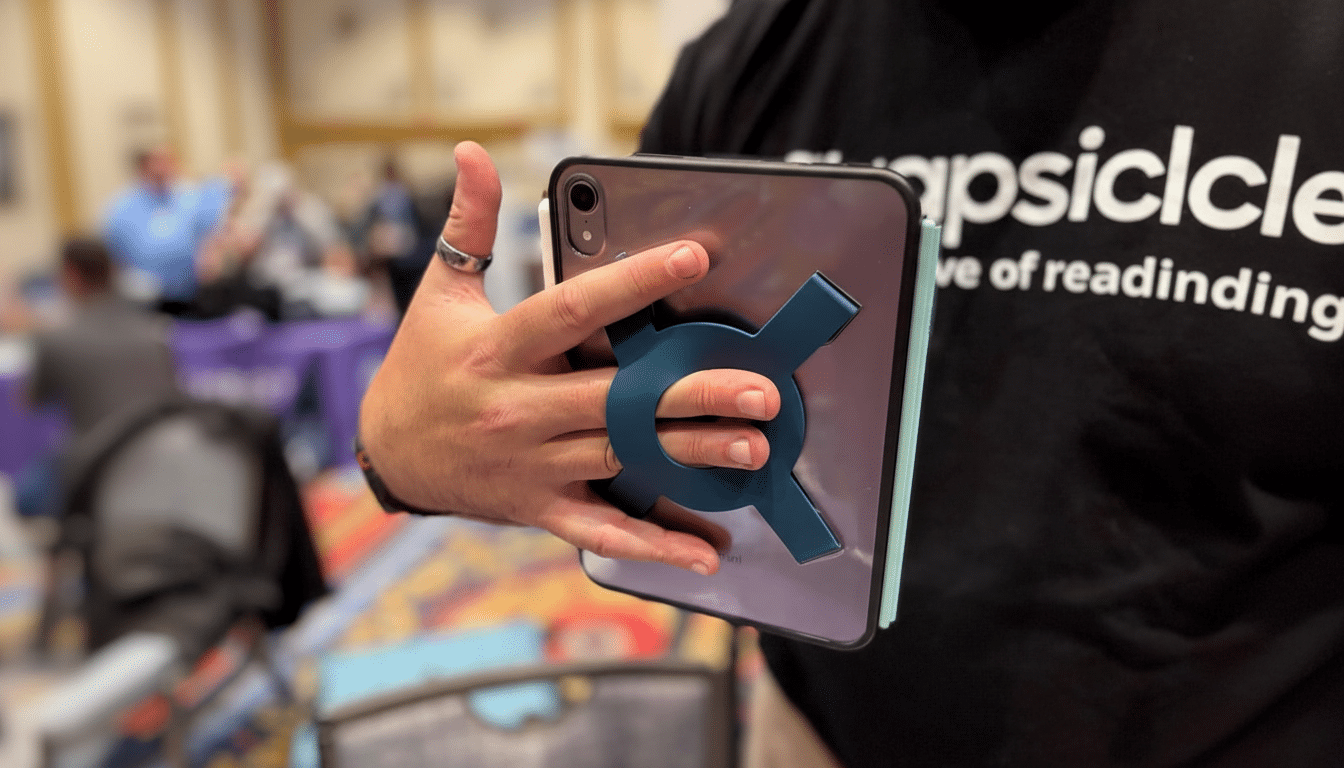
Rather than slapping on a grip or adding a ring after the fact, Strapsicle has two stretchy silicone straps built straight into the frame of its case itself. Slip your hand under either strap and the iPad mini feels securely held, whether you’re sitting on a couch, standing on a moving train, or annotating PDFs while walking. The symmetrical configuration provides both portrait and landscape for left- or right-handed users without having to fiddle.
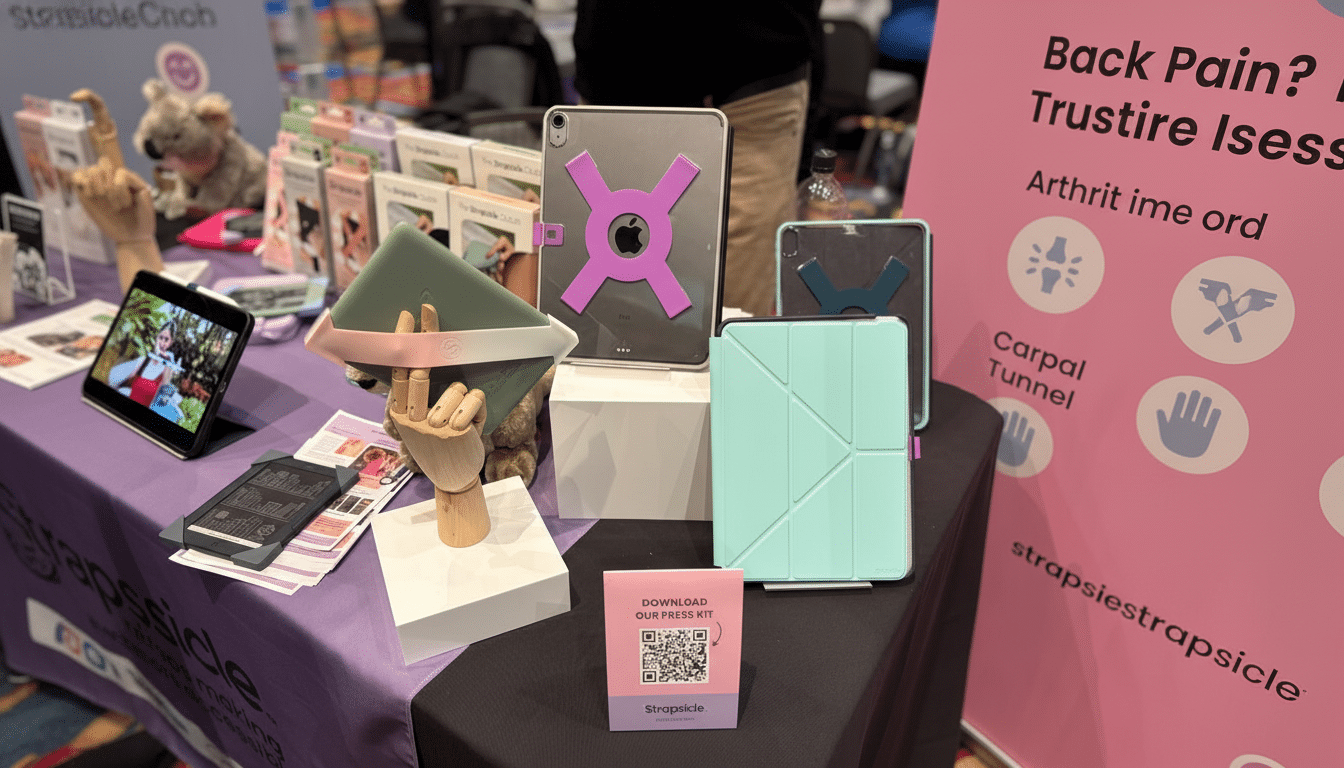
Key touches indicate that this is more than a novelty: a detachable cover for screen protection, a removable Apple Pencil strap for creators, and interchangeable strap colors so you can change looks or fine-tune fit. As the grips are built in, they spread pressure across the hand rather than focus it all on one contact point (a common issue with ring-style or adhesive grips).
Comfortable and Accessible Designs Focused on Ergonomics
It’s the ergonomics where this case justifies its price, however. The involvement of pinch grips and the unnatural angle at which you use your wrist causes muscle tension to build up over time, causing fatigue and discomfort. Those in the hand biomechanics community commonly advocate neutral wrist posture and larger contact areas to ease strain during prolonged device use. Strapsicle’s silicone bands encourage a relaxed, open-hand hold and accommodate micro-adjustments while you’re reading — little things that matter when reading for long periods.
The accessibility angle matters. The Centers for Disease Control and Prevention has said an estimated 58.5 million U.S. adults have arthritis, while mobility restrictions are common at all ages. Tablets are not heavy, but certainly a few hundred grams become a burden when suspended for 30 minutes or longer. By accommodating one- or two-handed use and distributing the force, it lowers a barrier for seniors, people with chronic pain, kids, and essentially anyone who has trouble exerting grip strength.
Why It’s a Natural Fit for the Portable iPad mini Form Factor
The iPad mini lives in a rarefied sweet spot: big enough for books, comic books, EFBs (electronic flight bags), medical charts, and fieldwork, but small enough for one-handing. Apple, which according to IDC accounts for about one-third of the tablet market, has a deep bench of users who depend on minis for reading, reference, and quick sketches. Strapsicle’s case plays into this behavior by feeling secure when held one-handed, without introducing unwieldy bulk or mechanical complication.
Cosmetic integration also means that, as opposed to folios and tough cases that bolt on rotating hand straps or finger handles, there’s less added bulk and fewer fiddly plastic mechanisms that can come loose over time. Versus adhesive grips — tabs, rings, or suction pads and such — you’re not compromising the integrity of your case (or its resale value), and rotation is still instant between portrait and landscape. It’s the rare accessory that makes something more useful without asking you to relearn your habits.
Specs That Matter and Trade-offs to Watch Before Buying
Key features of the case include:
- Built-in silicone straps integrated into the case frame
- Removable front cover for screen protection
- Apple Pencil strap for creators
- User-interchangeable bands for look and fit
Strapsicle also emphasizes posture benefits — like support for “pen-hand” positions and neutral wrist angles that relieve muscle load during reading or design time. Although the company is quick to claim that it’s the first iPad case with built-in silicone straps, competitors also offer fabric or plastic hand loops; the material and how it is integrated are what separate this one.
Two questions are still open for buyers: degree of drop protection overall, and compatibility with stands or keyboards. Heavier, MIL-STD-rated cases can be overly heavy at the expense of shock absorption, and minimal cases may prioritize how something feels in your hand and whether a case makes a tablet more awkward to hold than naked. Strapsicle seems comfort- and grip-control-biased; those that require extreme ruggedness will probably prefer to use a sleeve for travel.
Price, Availability, and What’s Next for Strapsicle’s Case
The iPad mini case will be available for $70 at retailers around the world, Strapsicle says. An iPad Air 11 version is on the roadmap, which suggests the company plans to take this strap-first philosophy beyond e-readers. For commuters, health care workers, pilots, students, and voracious book hoarders alike, the pitch is clear: fewer drops, less hand fatigue, and a tablet that’s just thin enough to feel like it was made to be held for hours.
In a CES show that’s dominated by AI buzzwords and spec races, a well-considered ergonomic upgrade might just feel refreshingly practical. Strapsicle’s transition from a beloved e-reader strap to a dedicated iPad case isn’t sexy — it’s just design that makes sense for how people actually use tech. That’s long-term innovation of the kind that sticks.
