


A familiar gripe is gathering steam on forums and comment sections from Reddit to The Verge: owners of Google’s Nest products say that they are sick of Google controlling their smart home hardware. “You have a product sunset, you have jank, and then there’s anxiety associated with this transition from Assistant to Gemini,” he added, describing what has created the sensation that “the floor feels like it’s always just moving under your feet.”
Why trust is eroding among Google Nest customers
Smart homes depend on reliability. When lights, locks, and cameras fail at a critical moment, the whole premise of the system is undermined. “It’s been a ‘rough few weeks,’” WaspWins, a longtime user visiting from Houston, seemed to sum up an accumulation of small regressions that have grown into larger annoyances: voice commands that need to be repeated two and sometimes three times, routines that unexpectedly fail, and features the company slowly jettisons. One such refrain, heard repeated often from veteran users of the startup’s devices, is bleak: drawers filled with “paperweights” that no longer function as advertised.
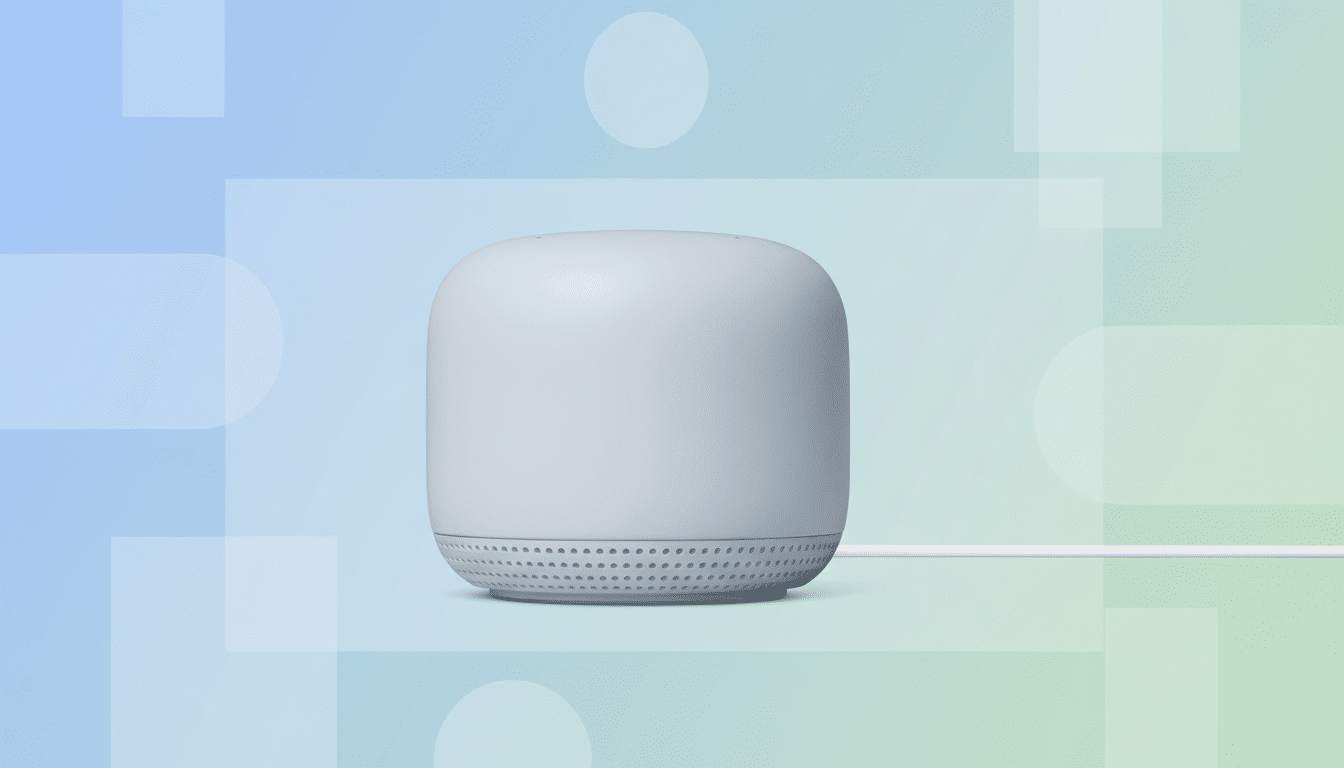
The fear isn’t theoretical. And Google has a history of making sudden pivots that is an albatross around its neck. Even happy users say they’re nervous about placing new bets on a platform that has stymied efforts to make improvements stick and to articulate clear roadmaps.
Product shutdowns that still haunt the smart home
Specific closures continue to reverberate. For Nest Secure, the end came quite abruptly, with loyal customers getting a refund and no clear way to move forward on what started as another flagship alarm system. That led Dropcam to pull support after promises that acquisition-era assurances would be honored, potentially forcing camera owners into replacing hardware earlier than planned. The history of the Works with Nest program’s shuttering bungled established automations and required migrations that didn’t suit every home.
Though these headlines are years old, they continue to shape buyer psychology today. An independent tracker called “Killed by Google” has a long list of discontinued apps and hardware, driving home the message that longevity is not its strength. Not even non–smart home closures, like one from the shuttering of a major cloud gaming service, can help to dispel the impression that Google is willing to close products that don’t meet internal targets, regardless of customer sunk costs.
AI confusion over Gemini versus Google Assistant
The shift to Gemini is aimed at updating what people see, but the initial reaction from power users has been nervous. There are reports of the device taking a while to respond to simple commands, missing wake words, and being less reliable at controlling devices than the more deterministic Google Assistant. In a smart home, whose entire point is convenience and routine, extra lag and uncertainty feel less like an innovation, and more like regression.
There’s also a philosophical mismatch at work here. For the most part, users just want fast, local-feeling, single-intent performance: turn on the lights, arm the alarm, lock the door. When it comes to an AI that is conversational and tries to predict context, the more it tries, the more friction is added if accurate instant control cannot be provided on a consistent basis. Until Gemini shows that it can be smart and ruthlessly reliable, skepticism will endure.
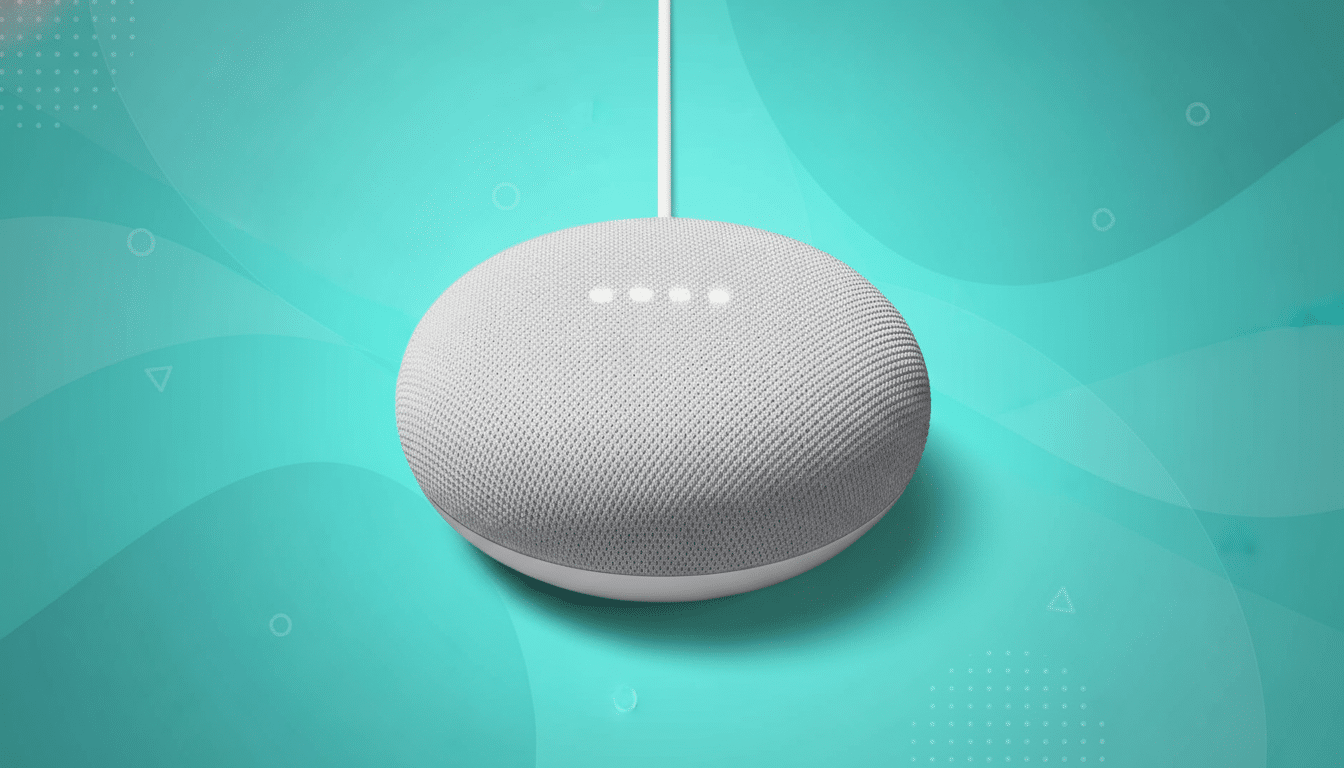
Will Matter and a new Home app repair trust issues
There are bright spots. The refreshed Google Home app is less fragmented, boasts improved camera timelines, better routine building, and enhanced device management. Google is a major supporter of Matter, the industry standard managed by the Connectivity Standards Alliance. The alliance has certified thousands of Matter devices, and the fruits of a potential cross-brand compatibility scenario could make switching costs cheaper — and lock‑in less risky for buyers.
Yet standards alone cannot rehabilitate trust. Analysts at Canalys and IDC have observed a cooler smart speaker and display market, with fierce competition. And in a slower market, post-purchase confidence is a differentiator. That includes supporting customers for multiple years, maintaining an open sunset policy, and providing clear paths for migration as platforms change.
What users say they want next from Google’s Nest
Consumers are airing a simple wish list.
- Reliability: voice commands and routines that always fire instantly.
- Stability: no unexpected deprecations and no forced rewrites of automated tasks that already work.
- Longevity: written support windows for major devices like cameras and hubs that align with home infrastructure — not phone-style upgrade cycles.
Privacy and local control are increasingly a part of the equation. Platforms like Apple’s HomeKit prioritize local processing for critical tasks, and many network enthusiasts are grooving on Home Assistant as a way to achieve control that will outlast cloud mutations. Even Amazon’s Alexa — one of the most susceptible to changes — has built up a reputation among some people for having longstanding routines and clear categories of devices. To stand a chance for trust, Google reportedly must meet or exceed these expectations (and provide a credible way forward).
None of this is insurmountable. A fast, predictable Gemini for controlling the home, a solid Home app roadmap, and explicit commitments around device lifetimes could flip sentiment. But the message from the community is clear: smart homes are not an experimental playground. Trust is won by what still works perfectly in 20 years, not what was mandated today.
