


Slate Auto has now gathered more than 150,000 refundable reservations for its low-priced electric pickup, a remarkable milestone during a period when enthusiasm for battery-powered trucks seems to have evidently cooled. The startup is backed by Jeff Bezos. The number came out in a Q&A with CEO Chris Barman, and put a fine point on how much demand has been building for the truck even as legacy players retool their EV truck strategies.
A Big Number With Caveats for Slate’s Reservations
Reservations aren’t sales, and refundable deposits in particular churn very heavily. Analysts at Cox Automotive and BloombergNEF have repeatedly warned that conversion rates will depend on pricing, financing availability and the pace of production ramps. Still, the fact that the gradient is steep and we are continuing to go up to 150,000 implies the Slate team is adding not just more recent hand-raisers but adding them faster than losing early sign-ups—early days, of course, but a positive signal in an industry reset.
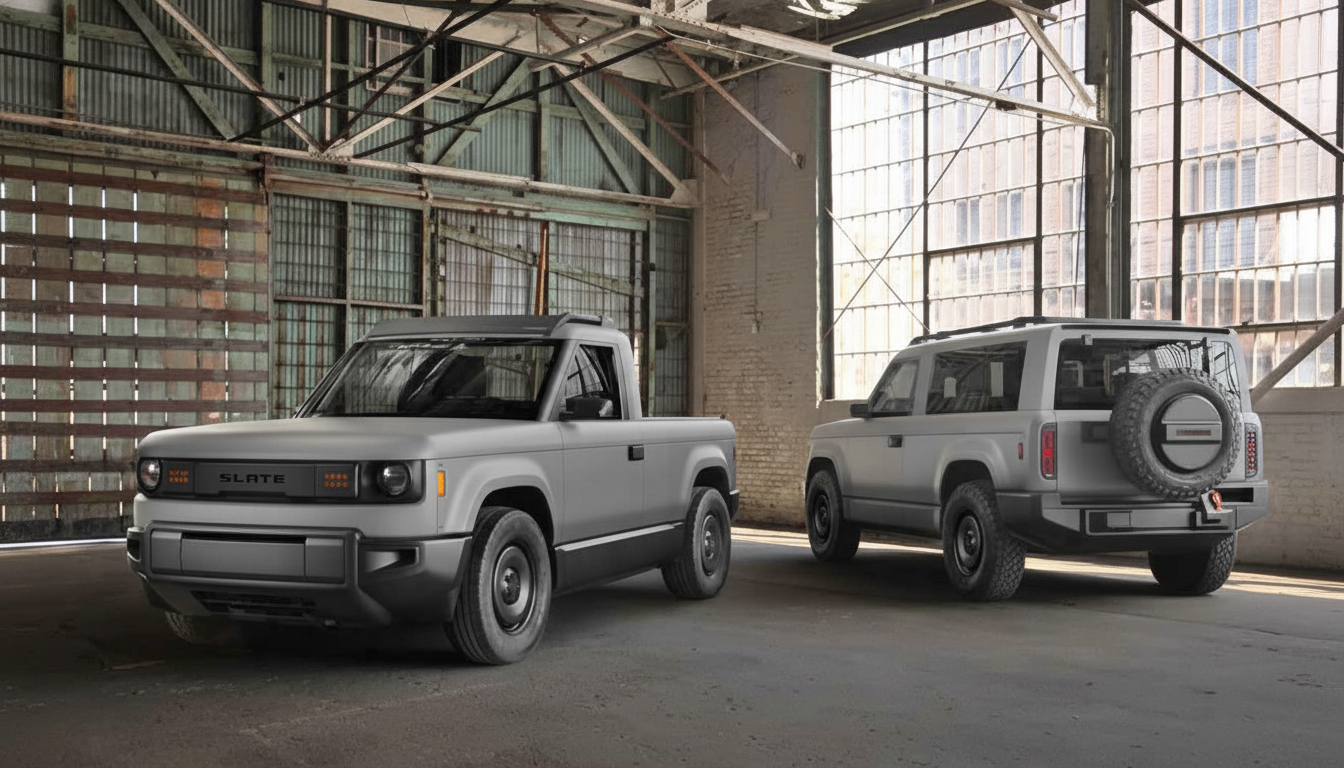
In its Q&A, Barman promoted two concrete policy decisions that appeal to buyers seeking something for the money. Slate will not advance self-driving technology plans, sidestepping expensive hardware that can balloon sticker prices. And, yes, car seats can go in the optional rear seats — an unflashy but family-critical footnote that came up from many early adopters and one that underscores everyday utility over gadgetry.
Waning Demand for EV Trucks Challenges the Market
The milestone comes as electric pickups are facing headwinds. Ford has said it plans to phase out a fully electric F-150 Lightning and instead divert customers toward a generator-assisted vehicle after failing to reach volume levels that would earn money. Both Tesla’s Cybertruck and General Motors’ Silverado EV have been selling in limited numbers so far against their gas heritage, with S&P Global Mobility noting that pickup truck buyers remain “very sensitive” to price, how much range they give up when hauling cargo and whether there would be enough recharging stations near home.
Dealer data collected by Cox Automotive indicates robust EV inventory in bigger-size segments where weight, aerodynamics and the need to tow intersect with the cruel reality of battery cost and charging times. It is that environment in which Slate’s momentum is uncommon—and interesting.
Price and Packaging Are Slate’s Wedge in EV Trucks
Slate’s strategy is refreshingly straightforward: design an EV truck from the ground up to be cheap to produce, aim for a price tag in the mid-$20,000 range and eschew pricey bells and whistles.
By dodging the compromises of legacy platforms and focusing on lighter weight, simpler solutions, the company is attempting to crack the hardest code in EVs — cost.
Prices for batteries are falling, BloombergNEF reports, and if supply chains for manufacturing can be more localized the costs could shrink further. If Slate is able to qualify for important consumer tax credits while keeping options limited, the chances that reservation holders will convert are better—particularly those value hunters already stepping into their first EV.
Production Ambitions and Reality Checks in Indiana
At a refurbished factory in Warsaw, Indiana, Slate aspires to start with production of about 150,000 units annually — an ambitious goal for a new carmaker and at a level that would make it a substantial player in the compact and midsize pickup sectors.
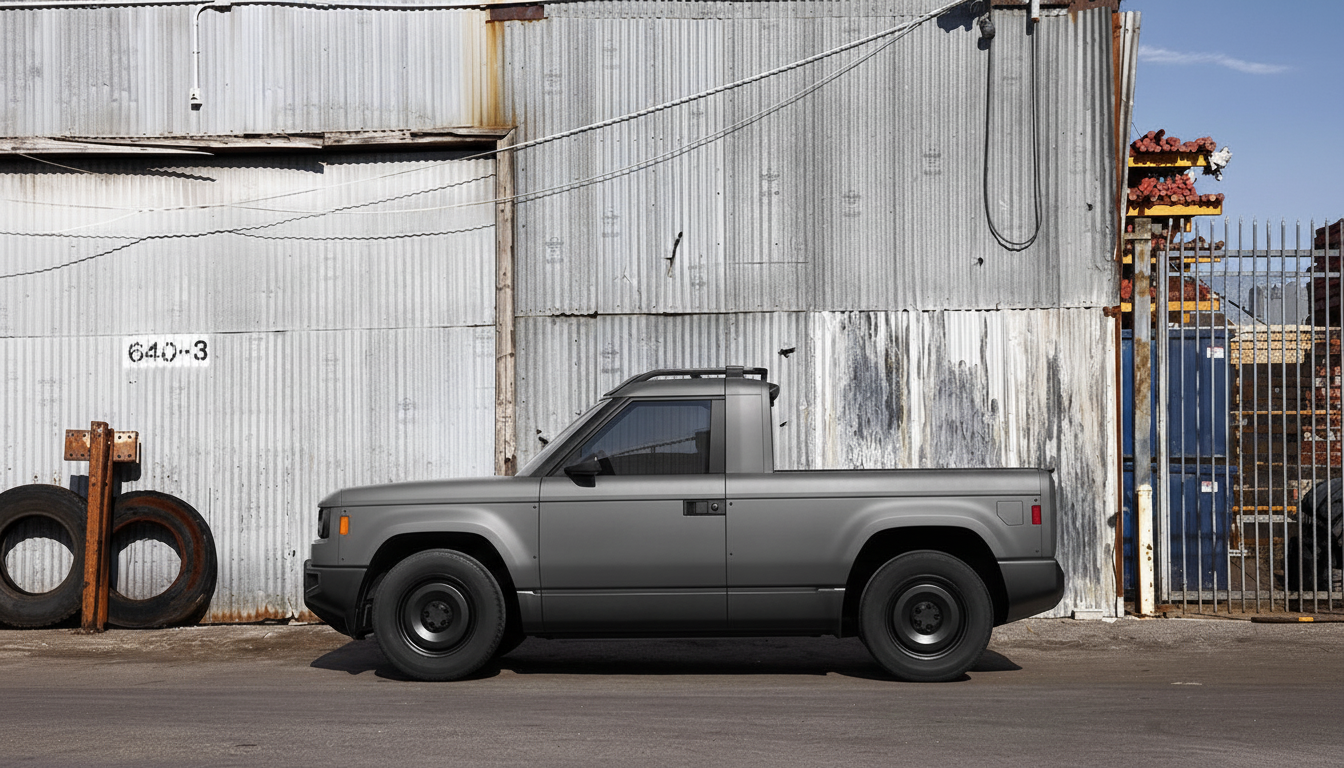
Reaching that number requires a steady supply chain, prudent capital spending and quality manufacturing that satisfies pickup buyers’ expectations for longevity.
History offers cautionary tales. Like Lordstown and Canoo, both of which hyped significant reservations before stumbling on production, funding or go-to-market hurdles. Rivian’s ramp illustrates how even well-funded newcomers struggle with the steep learning curves around stamping, supply and service. The measuring stick of Slate’s performance will not be reservations, but throughput, quality, and cost control quarter by quarter.
What the Q&A Reveals About Target Customers
The most revealing queries from Slate’s audience were not around 0–60 times or autonomous highway features, but rather child-seat compatibility and practical options and real-world usability.
That’s in step with the wider demand shift tracked by S&P Global Mobility toward practical EV buyers that prioritize value, simplicity and reliability over top-end performance specs.
If Slate can make that practicality into a rugged, low-maintenance vehicle with predictable charging needs — and a service plan that gives peace of mind to first-time EV buyers — it could have enough space for a defensible niche while bigger brands recuperate.
The Metric That Matters Now: Deposits to Orders
If the company has crossed 150,000 reservations, that is a remarkable proof of interest. The next proof point is conversion: how many deposits turn into contracted orders once final pricing, financing and delivery windows are established. Keep an eye out for signs on final trims and option pricing, how many configurations meet the requirements of consumer incentives and if Slate can uphold build quality while scaling its Indiana plant.
At a time when major auto manufacturers are seeing retrenchment in their efforts to make electric pickups, Slate’s traction does stand out. If the company can translate this wave of reservations into steady production at a true mass-market price, it will have done what many incumbents and startups have floundered trying to do — make an EV truck pencil out for mainstream customers.
