


Samsung’s next foldable twist may be wider, not taller. References inside a One UI 9 test firmware point to a new “Wide” Galaxy Z Fold variant, signaling a landscape-first design that could rethink how Samsung approaches big-screen mobility.
The discovery centers on a device flag labeled “WideFoldModel,” tied to a system check for landscape-style folding support. In plain terms, Samsung is preparing software for a foldable that opens horizontally to prioritize a wider aspect ratio rather than the familiar tall, book-style canvas.
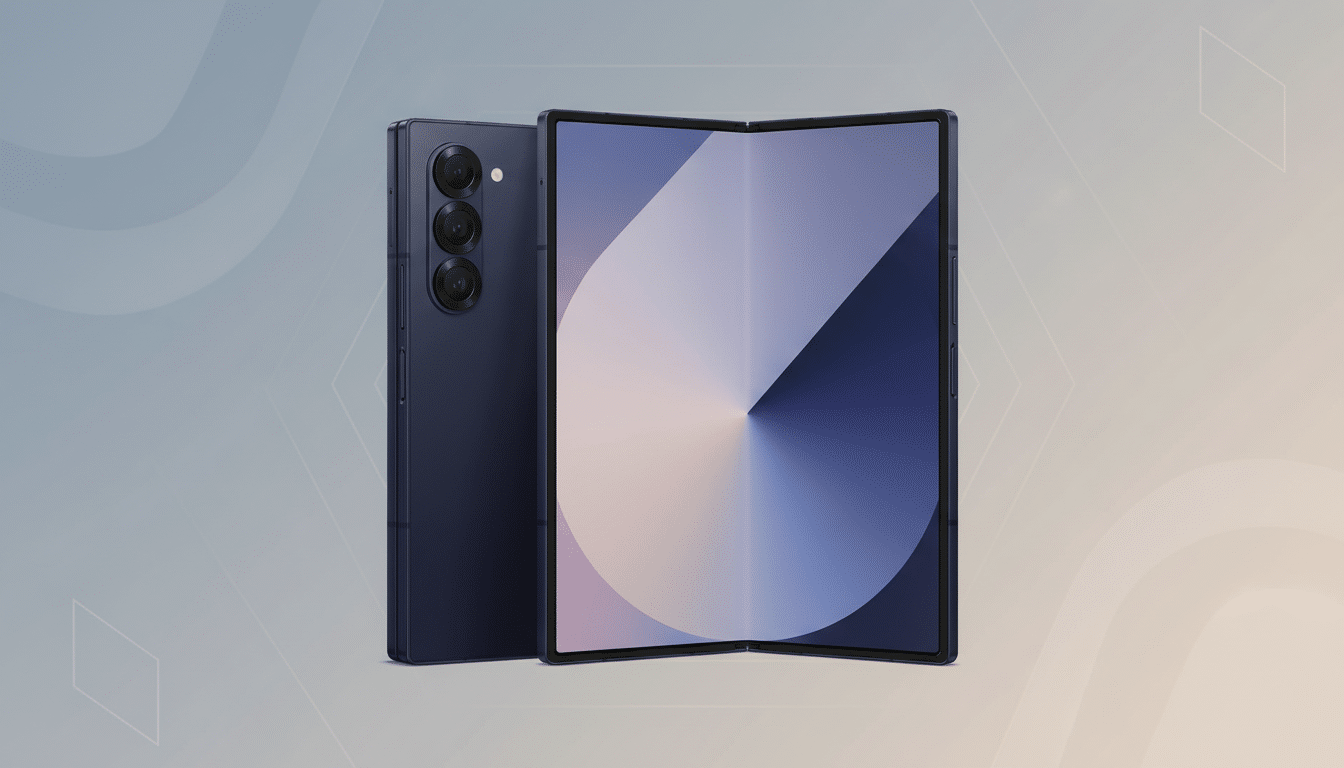
Code-level hooks don’t guarantee branding or timing, but they’re rarely placeholders. When a new foldable class lands in core firmware, it usually means industrial design and UX teams are aligning behind it.
What the One UI 9 Code Reveals About a Wider Fold Design
Samsung’s software already groups foldables using internal feature flags. Existing categories cover the standard book-style Fold and more complex mechanisms associated with multifold concepts. The new WideFoldModel sits alongside them, and it’s specifically gated by a “foldable type landscape” capability check, indicating a panel that is inherently wide when opened.
That distinction matters because One UI tailors navigation bars, taskbars, camera previews, and split-screen defaults based on device class. A wide-first model suggests different app continuity rules, alternate home screen grids, and changes to input ergonomics—especially the on-screen keyboard and multi-window layouts.
The presence of a formal category also hints at sustained support rather than a one-off experiment. It’s the kind of groundwork Samsung typically lays months ahead of hardware, so partners and internal teams can tune experiences accordingly.
Why a Wider Galaxy Z Fold Design Could Make Real Sense
One recurring critique of the Galaxy Z Fold line is its narrow cover display. It’s pocketable and sturdy, but cramped for typing and everyday apps. By contrast, devices like the OnePlus Open and Oppo Find N series lean into wider outer screens that feel more like a standard smartphone.
A landscape-first Fold could address that pain point. Open the device and you’d get a wider canvas by default—ideal for video, games, spreadsheets, and two-pane apps. Close it and the cover could maintain a familiar, usable width without resorting to the ultra-tall 23:9 proportions seen on earlier Folds.
There’s competitive logic, too. Google’s Pixel Fold embraced a shorter, wider approach to encourage tablet-like UIs. As app makers increasingly design for dual-pane layouts, a wide inner display lines up with how many modern Android apps want to scale.
Implications for Android Apps and Multitasking on Wide Folds
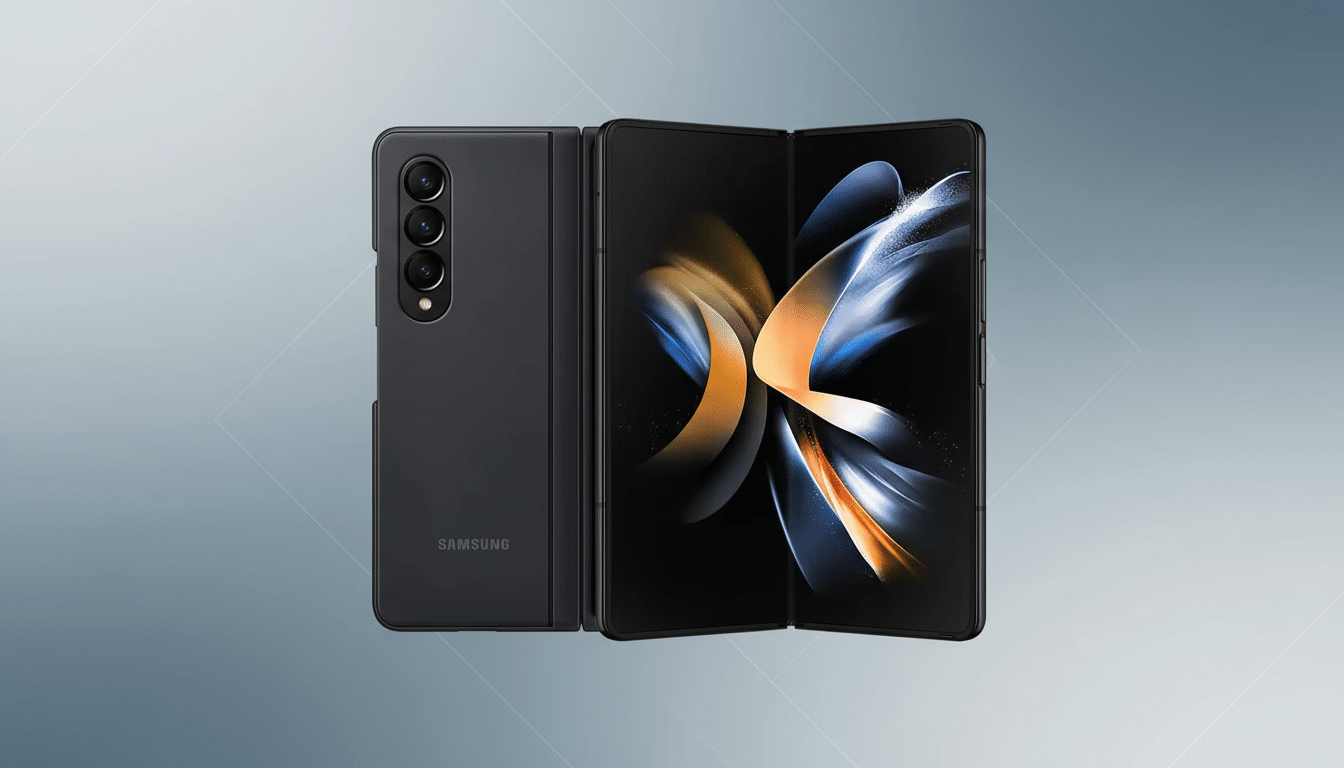
Android’s large-screen push—accelerated by Android 12L and beyond—uses window size classes that flip interfaces into tablet mode around the 600dp width mark. A wide-open Fold would hit that threshold instantly, unlocking two-column Gmail, side-by-side Google Drive, and richer timelines in social and productivity apps without manual rotation.
One UI’s taskbar, flex-mode panels, and drag-and-drop already turn the current Fold into a pocket workstation. A landscape-oriented foundation could make three-app layouts more natural, improve video conferencing with persistent notes, and create more comfortable S Pen workflows if stylus support is included.
The change might also reduce the friction between phone and tablet experiences. With a more natural cover display and a wide interior, fewer apps would need bespoke hacks to look right in both states.
Where a Wider Fold Could Fit Within Samsung’s Product Roadmap
The WideFoldModel tag clearly distinguishes this from multifold or tri-fold ambitions. Think of it as a sibling to the book-style Fold rather than a wholesale replacement—an option optimized for media and productivity that complements the tall-first design favored for reading and one-handed use.
Market dynamics are favorable. IDC estimates foldable shipments topped roughly 15 million units in 2023 and are tracking to surpass 20 million in 2024, while Counterpoint Research notes Samsung remains the volume leader even as rivals like Huawei, Honor, Motorola, and Google nibble at share with wider cover displays and lighter chassis.
Samsung has also filed multiple patents around landscape-first folding hardware in recent years. Coupled with firmware classifications, the pieces suggest a serious exploration of a broader form-factor portfolio.
What to Watch Next as Samsung Readies One UI 9 for Wide Folds
Keep an eye on emulator profiles, developer guidance, and Good Lock modules inside upcoming One UI 9 builds. New layout presets, keyboard widths, or taskbar behaviors aimed at a wide canvas would further validate the hardware direction.
As always, code is a strong hint, not a launch notice. But a dedicated WideFoldModel flag is about as clear as it gets that Samsung wants a foldable that opens to the width users have been asking for.
