


When Samsung introduced the Galaxy S25, it called Now Brief an uncomplicated, proactive look at what your day will be like. The concept had been catnip: one glance at weather, commute times, sleep time, workout availability, upcoming meetings, and smart home context. Months later, the feeling is thin. Instead of fixing the fundamentals, Samsung’s new tweak is just another party trick for AI. What Brief does not now need is more AI. It needs to work.
What was promised and what we actually got
Now Brief is more of a timeline of events that combines Samsung Health, Calendar, Weather, SmartThings, and related suggestions. In reality, with all of the cards enabled, many users say they see little more than a weather tile and stale video recommendations. Health data doesn’t always show up after a tracked run or sleep session, calendar entries aren’t especially reliable to see, and smart home context is at best patchy. The feature is similarly familiar on phones, tablets, and foldables: underpowered and inconsistent.
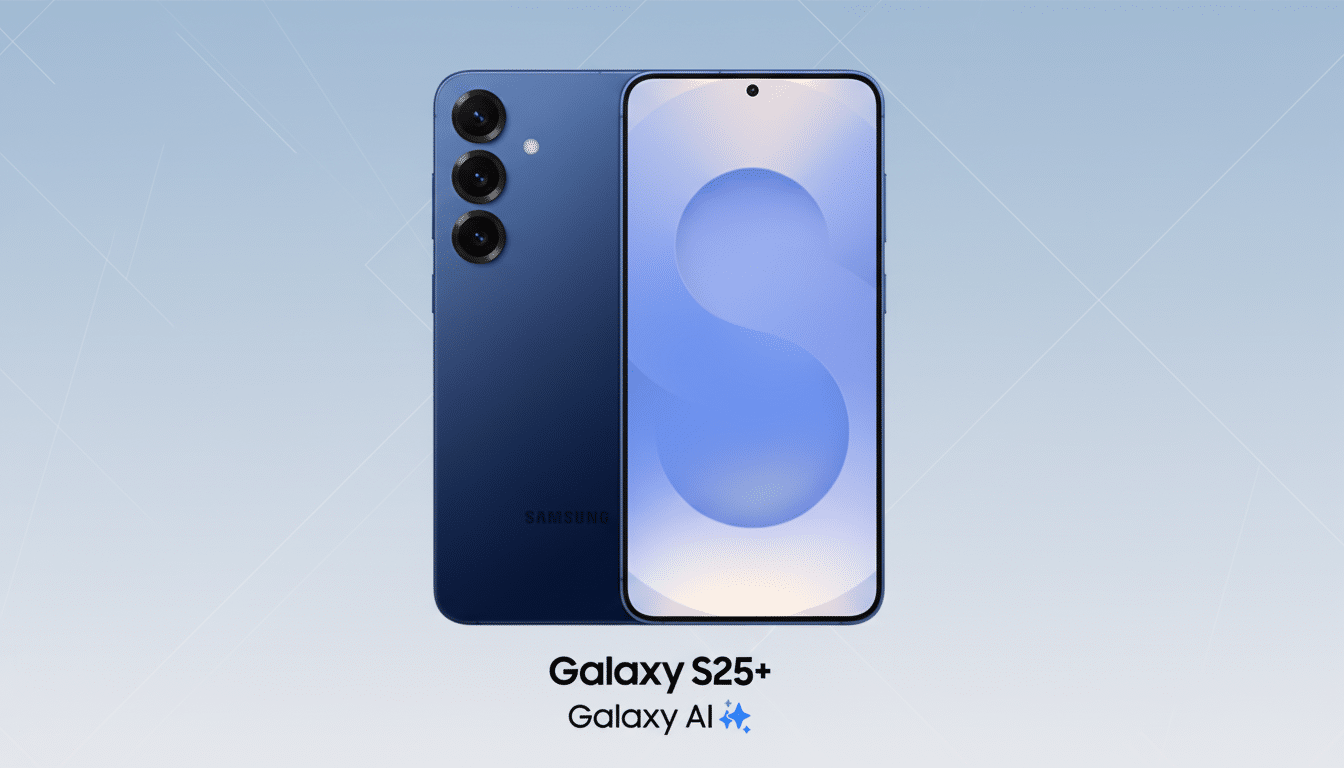
Samsung’s latest model simply underscores that gap. And appearing now and then from Brief is a Gemini Nano-powered image toy called Nano Banana, which generates prompts for transforming photo reminiscences into AI-generated art. It’s cute. It’s also the wrong priority for a utility that is meant to anticipate your day. A daily briefing is supposed to shave minutes off your day, not add a novelty that you’re going to try once and then forget about.
Why Google Now still reminds me what good looks like
We’ve seen this idea done well, and it didn’t involve generative AI. Google Now, arriving with Android 4.1 Jelly Bean, was quietly brilliant at proactive help: commute alerts based on live traffic, flight and hotel updates culled from your email, package tracking, and a card that would tell you where you parked after detecting you just returned from driving someplace. It was a swipe away and felt almost magical; it was timely and accurate, but no more than it needed to be.
“The winning formula was solid data ingestion and context, not pretty demos. Google’s subsequent pivots — Assistant Snapshot and the ad-heavy Discover feed — lost that balance. The lesson is plain: a daily brief or newsletter is a success when it surfaces the right nugget at the right time. Everything else is noise.”
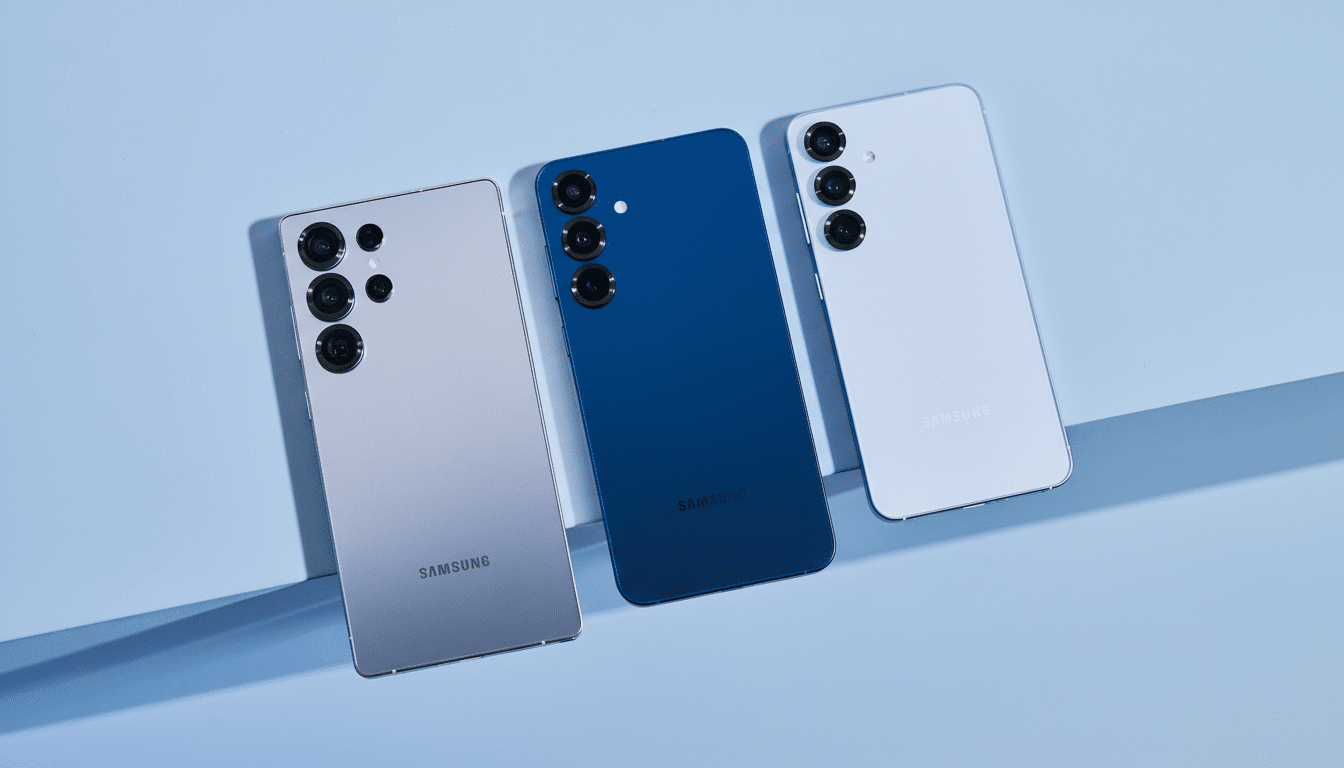
Why adding more AI is not the answer for Now Brief
On-device models like Gemini Nano and Samsung’s own leaner foundation models are all well and good, but more AI tossed into Now Brief isn’t going to fix missing data, flaky cards, or slow refreshes. Gartner and IDC analysts have cautioned that adding AI gimmicks without identifiable use cases leads to user dissatisfaction. Usability research by Nielsen Norman Group has demonstrated for many years that trust depends more on reliability and accuracy than on novelty.
And people are still leery about your everyday AI, according to Pew Research. So I have to say that skepticism is understandable when a “smart” brief can’t get you to the meeting you’re already late for or the bus you are about to miss, but has time to pitch an image generator. Razzle-dazzle doesn’t change minds; reliability does.
What Now Brief must do to win back daily user trust
- Prioritize data completeness. Calendar events — across Samsung, Google, and Outlook — need to seamlessly appear with travel time and conflict warnings. It should tell SmartThings that you left the porch light on or that the robot vacuum ran.
- Unlock third-party productivity. That’s where a lot of us live — in Todoist, TickTick, Asana, Notion, or Microsoft To Do. A formalized Now Brief API and Android intents might enable these apps to surface short, action-oriented cards. Empower users with fine-grained control to personalize what appears, when, and on which devices. Privacy should be at the forefront, with clear, revocable permissions and on-device processing when practicable.
- Measure what matters. Monitor the percentage of sessions with at least one personal card, freshness latency on data, and tap-through rate back to the originating app. Push out weekly fixes until the fundamentals are boringly reliable. When people get commute alerts before they leave, gate changes before they board, and task nudges just before deadlines, then they’ll be back daily — no viral gaming necessary.
The bottom line: fix reliability before flaunting AI
Now Brief was supposed to limit the friction of everyday life. It can still get there, but not by piling more and more AI on a shaky foundation. Get your data to appear so that it’s all in one place. Get it on time. Make it true. If Samsung can deliver that, Now Brief would not have to scream about AI — it will be something insignificant that users appreciate as it quietly saves them time.
