


Apple hasn’t yet unveiled an iPhone Fold, but Samsung seems to be preempting the ground for a firm riposte. A fresh report from South Korea claims Samsung has pressed go on a larger book-style foldable that will echo the tablet-like feel Apple is rumored to be focusing on.
Samsung’s next foldable aims for a tablet-first feel
While ETNews reports the Samsung foldable will sport a 7.6-inch inner panel with a 4:3 aspect ratio, it’s said an outer screen of some kind is directly involved (rumored size: around 5.4 inches). And that geometry, which balances usable canvas over tall-and-narrow aesthetics, means what you see unfolded feels more like a small tablet than a stretched phone. By comparison, the current Galaxy Z Fold range is squarer in aspect, which is ideal for multitasking but can be constrained for magazine layouts, spreadsheets, and, indeed, most web layouts designed with wider aspect in mind.
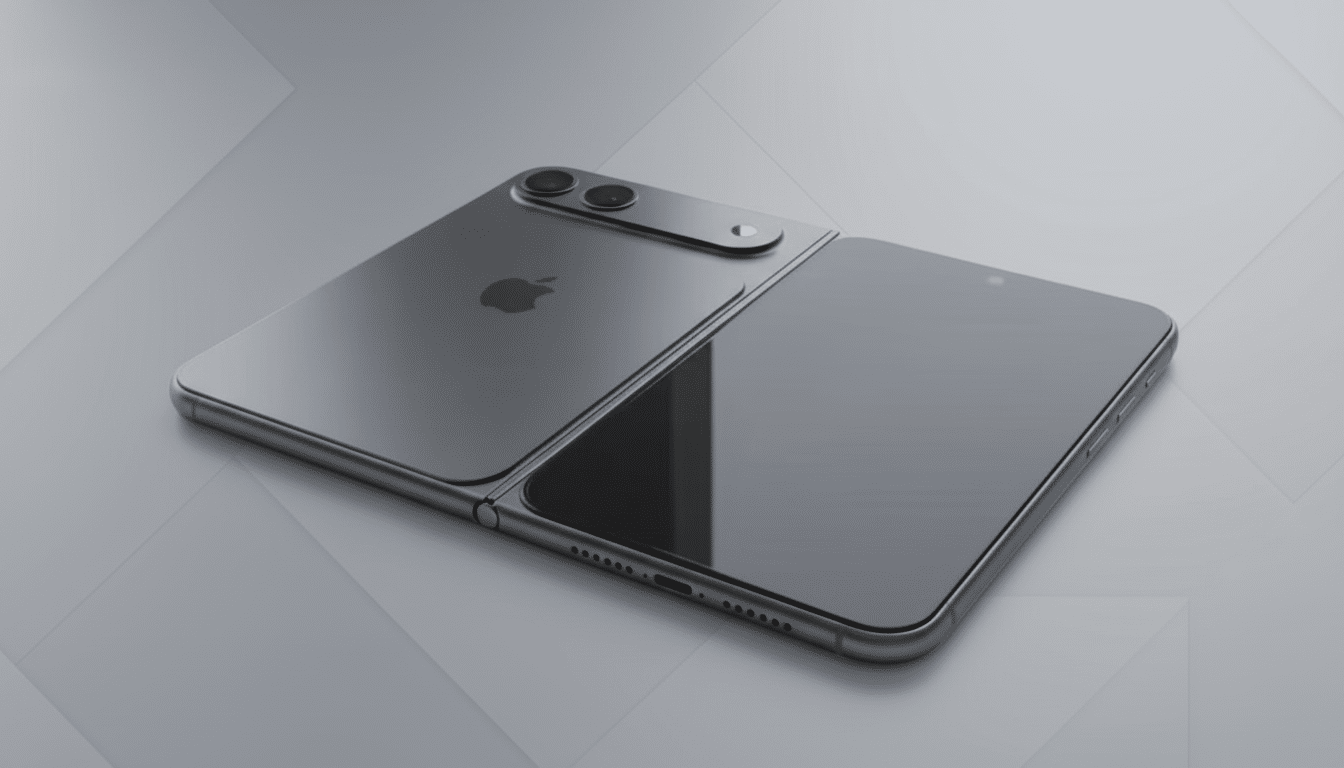
The device supposedly features a single hinge instead of the tri-panel design found in Samsung’s experimental TriFolds. A wide, one-hinge design would cut down on both thickness and weight while keeping mechanical complexity to a minimum — two factors foldables still struggle with. It also suggests that Samsung is optimizing for everyday tablet activities: reading, note-taking, and side-by-side apps without awkward letterboxing.
A preventive strike on Apple’s first foldable
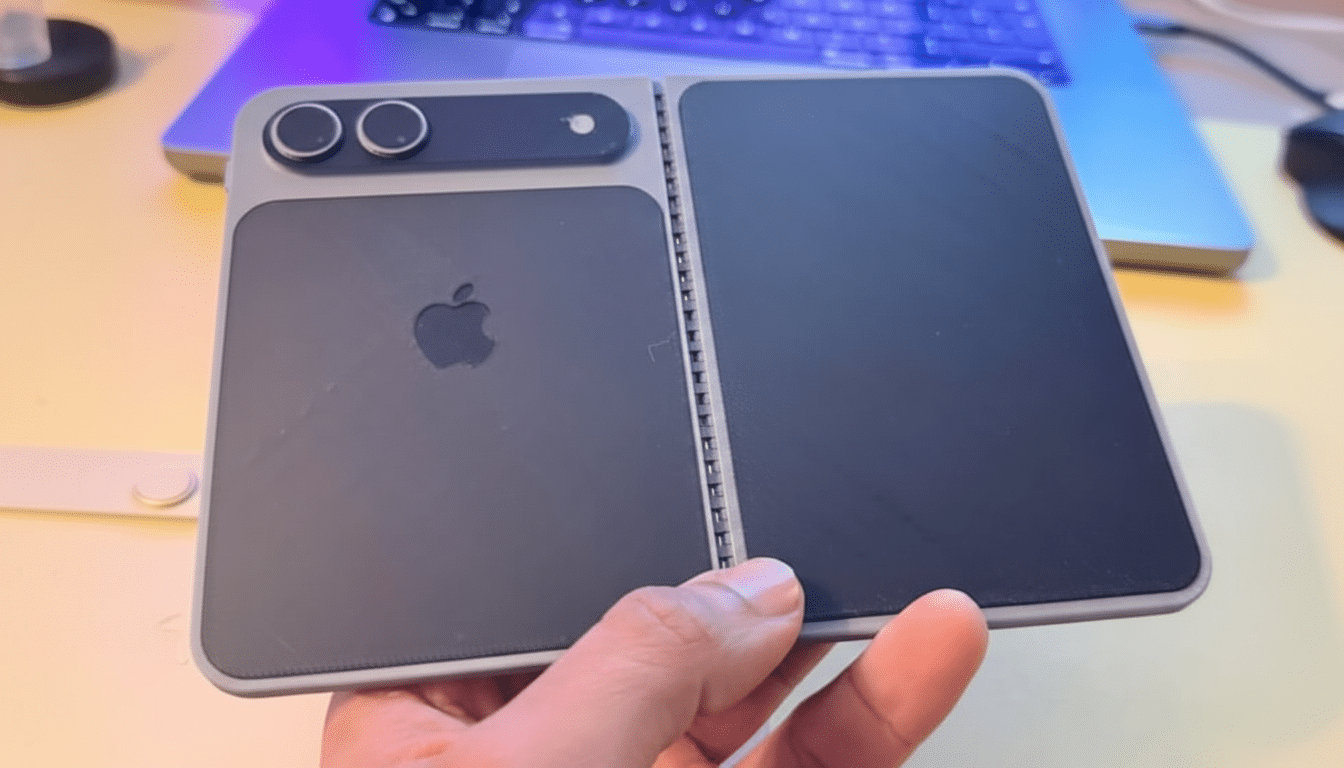
Several supply chain watchers, including analysts at DSCC and reporting from Bloomberg, have linked Apple’s years-long foldable efforts to a book-style iPhone with a tabletty 4:3 aspect ratio. Though timelines have slipped, the scuttlebutt lately says there’s some sort of window around 2026. If Samsung delivers a wide-format Fold ahead of Apple, it achieves two feats: getting consumers and developers on board with the wonders of a 4:3 foldable while nudging devs to start refining their app layouts for this screen class before Apple arrives.
Apple usually waits until materials, hinges, and software scale have reached volumes to serve the mainstream. Samsung, which has a few generations of Z Fold and Z Flip under its belt now, should know the playbook. An earlier wide Fold would allow Samsung to set the terms for form factor, durability, and price — stories that Apple typically skates away with when it asserts a new category.
Why a 4:3 aspect ratio is important for real work
Aspect ratio is the unsung hero of whether a foldable feels like a pocket tablet or a funny phone. A 4:3 panel is naturally closer to documents, presentation slides, PDFs, and most productivity interfaces. Reading density gets better, split-screen views are more equitable, and creative tools stretch the space for art and controls. It also continues the legacy iPad form, which has influenced how developers think about tablet UI for more than 10 years.
Android has matured here, too. The big-screen features that Google added in Android 12L — improved taskbars and adaptive app layouts among them — minimized the friction for developers supporting larger canvases. A Samsung wide Fold could leverage those tools immediately, and its partnerships with Microsoft and Adobe (and many others) would be the perfect way to demonstrate premium tablet-grade workflows.
The case of the market and competitive pressure
Foldables are still a small but quickly growing chunk of the premium phone market. Both DSCC and Counterpoint Research have recorded double-digit growth since 2021, as shipments approach the mid-teens of millions and forecasts only head higher in coming years. Samsung has led the way worldwide, but competition is heating up: Huawei has gained ground in China with book-style devices, and OnePlus, Honor, and Google have all driven thinner frames, larger outers, and more square-ish inners.
A Samsung Fold that turns the bend into something wider would help it stand out from its ultra-slim rivals like the Honor Magic V2, productivity-focused counterparts like the OnePlus Open, and Google’s Pixel Fold with its shorter vertical outer and an again-nearly-square inner. However, if Apple comes to market with a 4:3 device, then the category’s center of gravity might move more toward tablet-first offerings — something Samsung would like to be prepared for.
Engineering trade-offs still loom for wider foldables
Thicker when closed often equals a fatter device, and that’s a battle between weight distribution and battery size. Hinge durability is still under the microscope: High-end foldables these days are aiming to last hundreds of thousands of bends, but the crease and dust intrusion remain Achilles’ heels. Ultra-thin glass gets a little tougher and thinner — with the goal of stack designs of less than 100 µm — but striking a balance between rigidity and flexibility is still difficult, especially in larger 4:3 panels.
Samsung’s history says it can tighten those tolerances while also making things more durable to protect against the elements and support stylus use. Whether this larger Fold does the job of supporting a pen or targets a lower price to drive wider adoption will say much about its place in the Z Fold and Flip families.
What to watch next as wider foldables take shape
Watch for panel suppliers and hinge patents attached to 4:3 hardware, developer sessions on wide-screen Android optimization, and early case or accessory leaks that might reveal something about footprint and thickness. If Samsung goes first with a wide-format Fold, it establishes the benchmark for how a foldable can effectively stand in for both a daily phone and a small tablet — precisely the arena Apple is expected to enter.
The message is clear: The next phase of the foldable race won’t be over who can just fold, but also how you unfold into the right shape. Samsung appears determined to get ahead of that conversation before Apple even steps on stage.
