


I finally spent quality time with Samsung’s Galaxy Z TriFold on the CES show floor, and it rewired my expectations for what a phone-tablet hybrid can be. This is the first foldable that truly behaves like a pocketable tablet without the compromises that have dogged earlier designs, and it left me equal parts smitten and intrigued about where Samsung is steering mobile computing.
Design and Display First Impressions After Extended Hands-On
Folded, the TriFold is chunky; unfolded, it’s startlingly elegant. Samsung cites a profile as thin as 3.9mm when fully open, which undercuts the thinnest recent book-style foldables and immediately makes it feel more tablet than phone. The tri-panel AMOLED opens into roughly a 10-inch canvas that looks crisp, bright, and uniform, with a crease that fades into the background once you start working.
- Design and Display First Impressions After Extended Hands-On
- Multitasking and Software That Clicks on a Tri-Fold Tablet
- Performance Early Takeaways from Pre-Release Hardware
- Price, Availability, and the Early Adopter Equation
- Why It Matters for the Foldable Race and Mobile Computing
- Bottom Line After Hands-On: Promise, Price, and Thickness
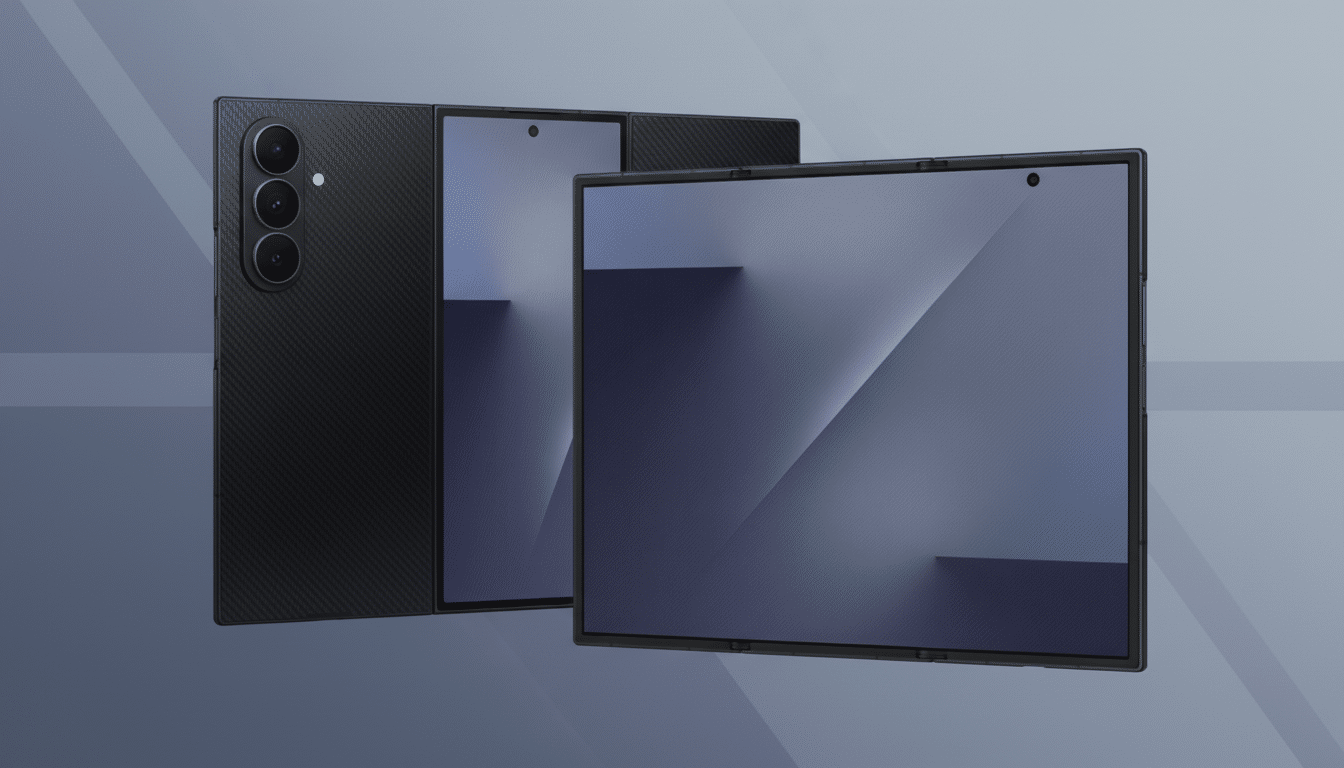
The hinge mechanics are reassuringly tight yet smooth, and the transitions between folded “phone mode” and full “tablet mode” happen without the stutter you sometimes see on dual-screen devices. Yes, your pocket will notice the heft when closed, but the payoff when open is real screen real estate you can actually use for serious tasks.
Multitasking and Software That Clicks on a Tri-Fold Tablet
Samsung’s software makes the hardware make sense. The TriFold leans on One UI’s multiwindow and Samsung DeX to deliver a desktop-like experience on demand. In my demo, I tiled a notes app, a browser with research tabs, and a messaging client in a neat three-column layout, then dragged and resized them like I would on a laptop. It felt natural, not novelty.
Open a video and tap comments, and the interface can snap a side panel into the right third of the display—a small touch that keeps context without clutter. The on-screen keyboard stretches sensibly with a split layout that speeds up thumb typing, while searches across files and apps benefit from the broader, denser view. None of this is flashy; it’s simply faster than hopping between stacked apps on a normal phone.
Performance Early Takeaways from Pre-Release Hardware
This unit ran pre-release software, but it shrugged off a stress test where I opened a double-digit number of apps and stacked multiple windows. Animations stayed fluid, and app restores were instant, suggesting flagship-class silicon paired with ample RAM. Thermal behavior was tame, with only mild warmth along the hinge after extended multitasking and a few rounds of gaming.
Battery life will be the question mark. Lighting three display segments and driving genuine parallel workflows draw power. Samsung has gotten better at adaptive refresh and background throttling, yet real-world longevity will hinge on how often you live in full tablet mode. For context, Counterpoint Research estimates average daily screen time on premium Android phones hovers around five to six hours; the TriFold’s value proposition is using more screen more often, so efficiency will matter.
Price, Availability, and the Early Adopter Equation
Right now, availability is limited to Samsung’s home market, and industry outlet The Bell reports the TriFold is being sold at a loss—more proof of concept than mass-market volume, at least initially. I heard a working price around the $2,500 mark, which tracks with the bill of materials for a device carrying three premium OLED panels, a complex hinge, and top-tier internals.
That sticker will keep this in enthusiast territory for now, but early adopters know the trade. You’re buying first-mover capability: true tablet productivity in a pocketable form factor. If you edit photos, manage spreadsheets, or game with controller overlays, the extra canvas isn’t just pleasant—it’s practical.
Why It Matters for the Foldable Race and Mobile Computing
Foldables are trending up even as overall smartphone shipments stay flat. IDC estimates foldable shipments grew strongly year over year, and Display Supply Chain Consultants has tracked double-digit growth in foldable panel volumes. Samsung pushing into tri-fold territory signals a new phase: not just bigger screens, but smarter screen use.
Competitors are watching. Bloomberg and The Information have reported that Apple continues to explore foldable form factors, and we’ve already seen strong book-style entries from Google and others. Samsung’s message with the TriFold is clear: the future isn’t merely a phone that folds—it’s a modular device that fluidly shifts between roles without compromise.
Bottom Line After Hands-On: Promise, Price, and Thickness
The Galaxy Z TriFold nails the one thing earlier foldables didn’t: it makes me want to do more on my phone because the experience feels closer to a compact laptop, not just a stretched phone. It’s not perfect—thickness when closed and price are real caveats—but the core idea is ready. If you thrive on bleeding-edge tech and live in multiple apps at once, this is the foldable that finally earns its space in your pocket.
