


Furniture is rarely replaced all at once. Instead, it wears out unevenly, shaped by daily habits, household size, materials, and how each room is used. A dining table might look nearly new after twenty years, while a sofa purchased half as long ago already feels tired and unsupportive. Understanding why certain pieces age faster than others helps homeowners make smarter decisions about replacement, budgeting, and long-term comfort.
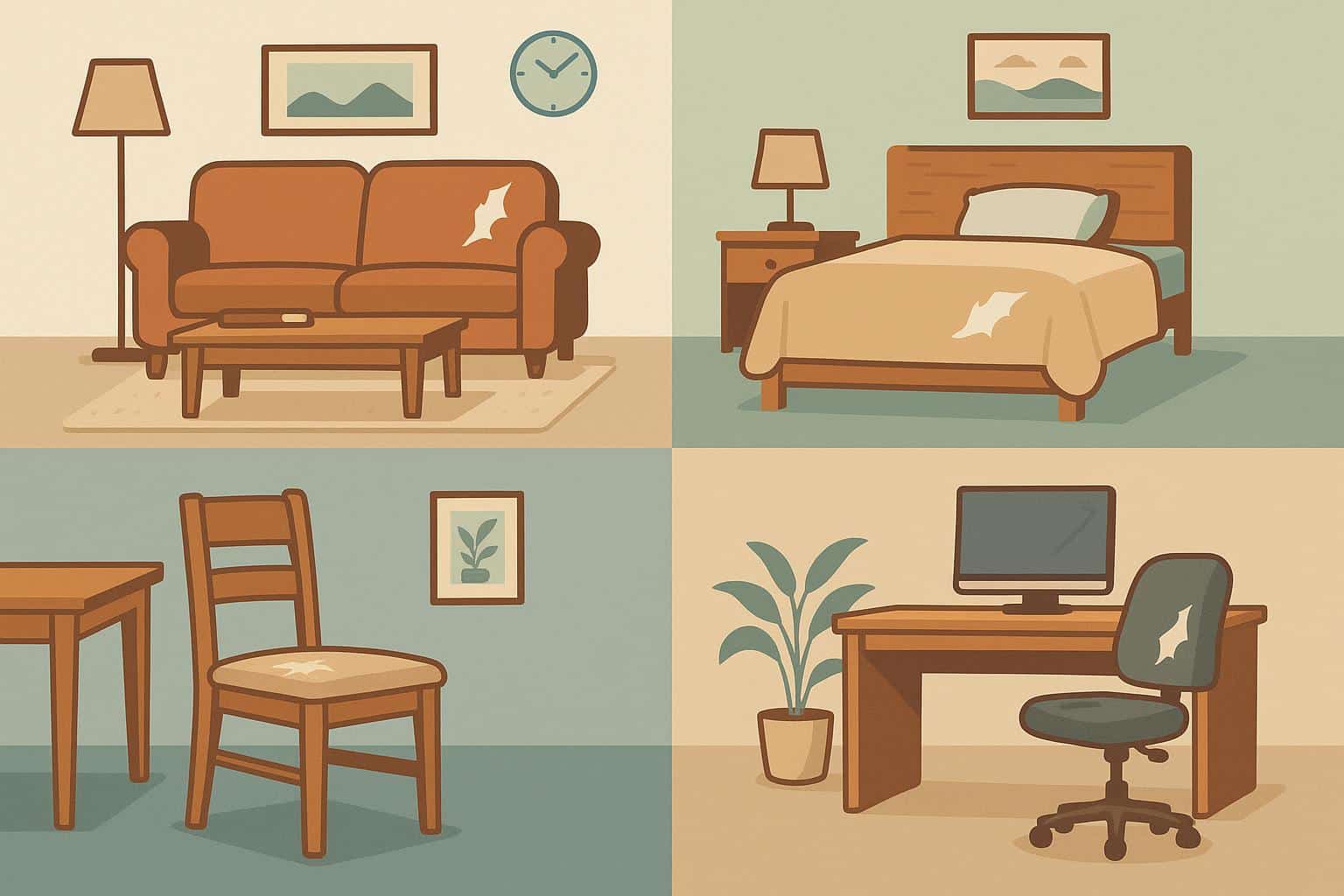
Looking at furniture lifespan on a room-by-room basis provides useful context. Each space places different demands on the furniture within it, and those demands ultimately determine what needs replacing first—and what can reasonably last for decades.
- Why Furniture Lifespan Isn’t One-Size-Fits-All
- Living Room Furniture: Comfort Declines Before Appearance
- Bedroom Furniture: Longevity with Hidden Limits
- Dining Room Furniture: Built to Last, But Not Indestructible
- Home Office Furniture: Ergonomics Over Aesthetics
- Children’s Furniture: Outgrown Before Worn Out
- When Replacement Makes Sense—and When It Doesn’t
- Benefits and Limitations of Planned Replacement
- Common Questions About Furniture Lifespan
- Final Thoughts
Why Furniture Lifespan Isn’t One-Size-Fits-All
Furniture longevity depends on far more than age. Frequency of use is the most obvious factor, but construction quality, materials, environmental conditions, and maintenance habits all play a role. A lightly used guest room dresser may outlast a heavily used living room chair by many years, even if the dresser was less expensive to begin with.
Lifestyle matters as well. Homes with children, pets, or frequent guests naturally put more stress on upholstery, joints, and finishes. Sun exposure, humidity, and temperature swings can quietly accelerate deterioration, especially for wood and leather. These variables explain why replacement timelines vary so widely, even for similar pieces.
Living Room Furniture: Comfort Declines Before Appearance
The living room is often the first place where furniture shows functional fatigue. Sofas and sectionals carry the heaviest load, both literally and figuratively. Daily sitting compresses cushions, strains suspension systems, and wears upholstery in predictable patterns. While frames—especially hardwood frames—can last decades, the comfort components rarely do.
Most sofas begin to lose proper support somewhere between seven and fifteen years. The earliest signs are subtle: cushions that don’t rebound fully, uneven seating, or a sense that you’re sinking rather than sitting. By the time visible sagging appears, internal materials have usually been compromised for years.
Accent chairs and recliners often last longer if used less frequently, but mechanical recliners introduce additional failure points. Moving parts, motors, and levers tend to wear out faster than static frames, making functionality—not appearance—the deciding factor for replacement.
Bedroom Furniture: Longevity with Hidden Limits
Bedroom furniture generally enjoys a longer lifespan, but mattresses are the exception. Although they show little outward wear, mattresses degrade internally in ways that directly affect sleep quality and physical health. Support layers compress, coils lose resilience, and accumulated allergens become harder to manage over time.
Most sleep specialists agree that mattresses should be replaced every seven to ten years, even if they appear intact. Persistent discomfort, stiffness upon waking, or uneven support are common indicators that replacement is overdue.
Bed frames, headboards, and dressers typically last much longer. Solid wood or metal frames often remain structurally sound for decades, with replacement driven more by style changes or room reconfigurations than by failure.
Dining Room Furniture: Built to Last, But Not Indestructible
Dining tables are among the most durable pieces in the home, especially when made from solid wood, stone, or quality veneers. Structural failure is rare, even after decades of use. Instead, wear tends to show up in surface finishes, which bear the brunt of heat, moisture, and repeated cleaning.
Scratches, fading, and finish breakdown don’t always require replacement. Refinishing or resurfacing can extend a table’s life significantly, often at a fraction of the cost of buying new.
Dining chairs, however, face more stress. Joints loosen over time, especially when chairs are frequently dragged or leaned back. Upholstered seats may compress or stain long before the frame itself fails, prompting earlier replacement for comfort or appearance reasons.
Home Office Furniture: Ergonomics Over Aesthetics
Home office furniture has a shorter functional lifespan than many people realize, particularly when it comes to seating. Office chairs are designed to support the body for extended periods, but foam cushioning and adjustment mechanisms wear out relatively quickly. After five to ten years, even a chair that looks fine may no longer provide proper support.
Desks and storage pieces tend to last much longer. Their replacement is usually driven by changing work needs, technology requirements, or space constraints rather than structural issues.
Children’s Furniture: Outgrown Before Worn Out
Furniture in children’s rooms follows a different lifecycle altogether. Cribs, toddler beds, and small desks are often replaced not because they fail, but because children simply outgrow them. Durability still matters, but adaptability matters more.
Dressers and bookcases may last well into adolescence or beyond, provided they are well-built and properly anchored. Wear and tear is common, but structural integrity often remains intact long after the furniture’s original purpose has changed.
When Replacement Makes Sense—and When It Doesn’t
Deciding whether to replace furniture isn’t always straightforward. Structural integrity is a critical factor. A solid frame with worn upholstery is often worth repairing, while a compromised frame usually isn’t. Comfort and safety should take priority over aesthetics; a chair that causes back pain or a table that wobbles poses real downsides, even if it still looks acceptable.
Replacement also makes sense when repair costs approach the price of a new piece, or when the furniture no longer fits the space or lifestyle. Access to a wide range of quality options, such as those offered by RC Willey, makes it easier to evaluate replacements for core home furniture pieces that see heavy daily use.
Benefits and Limitations of Planned Replacement
Replacing furniture proactively rather than reactively offers clear benefits. It allows for better budgeting, avoids sudden failures, and supports consistent comfort throughout the home. Planned replacement also makes it easier to align furniture choices with evolving needs, whether that means accommodating remote work, growing families, or downsizing.
The limitation, of course, is cost. High-quality furniture represents a meaningful investment, and not every household can replace items strictly on an ideal timeline. Additionally, some older pieces outperform newer, lower-quality alternatives, making replacement a downgrade rather than an upgrade.
Common Questions About Furniture Lifespan
Many homeowners wonder whether higher price guarantees longer lifespan. While cost often reflects better materials and construction, it is not a guarantee. How furniture is used and maintained ultimately matters more.
Another frequent question is whether visible wear is the best indicator for replacement. In many cases, comfort and support decline long before appearance does, particularly with seating and mattresses.
Finally, people often ask how to extend furniture lifespan. Regular cleaning, rotating cushions, protecting surfaces from sunlight, and addressing small repairs early can all make a meaningful difference.
Final Thoughts
Furniture replacement is less about following rigid timelines and more about understanding how different pieces age in real homes. By looking at furniture lifespan room by room, homeowners can prioritize replacements that truly matter, avoid unnecessary spending, and maintain a comfortable, functional living environment over time.
