


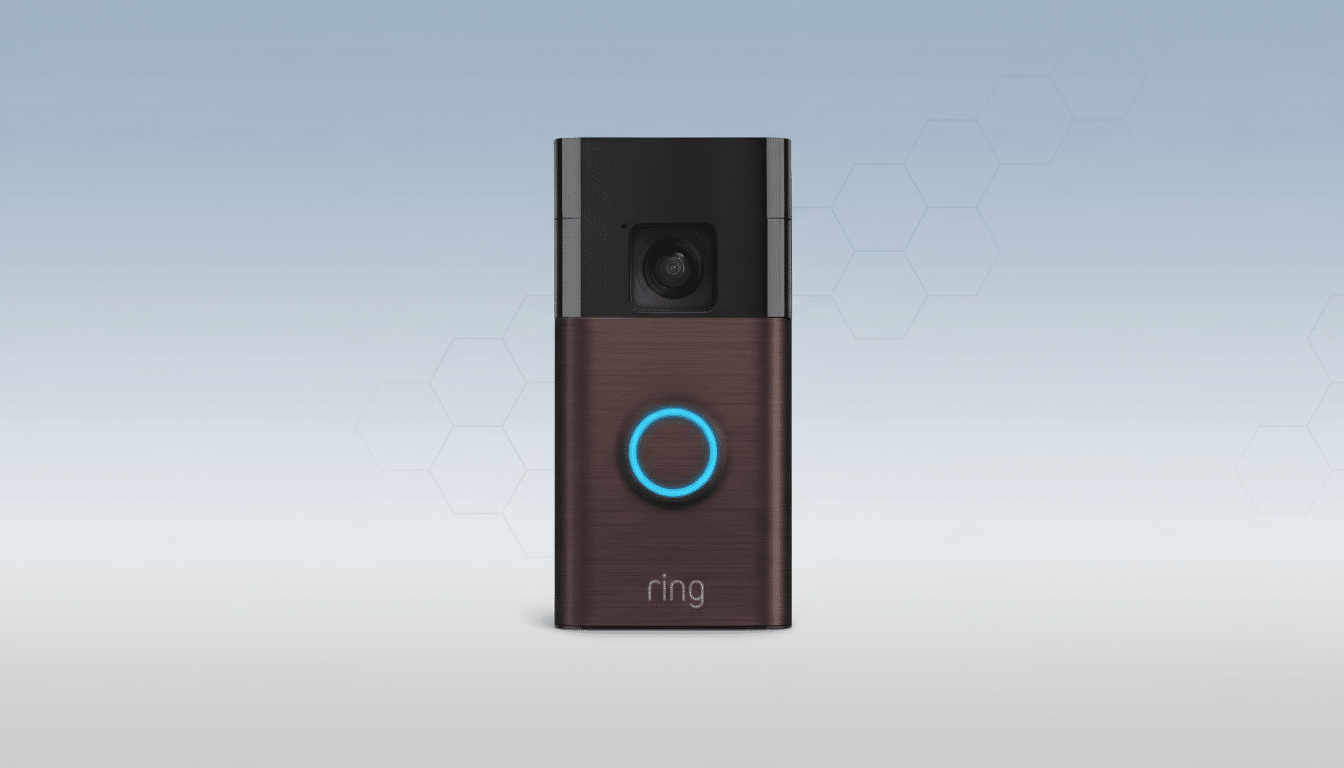
If you’ve been waiting to upgrade your front door without emptying your wallet, this is the window. Amazon has cut the 2024 Ring Battery Doorbell to $59.99, a 40% discount from its usual $99.99. A countdown clock on the product page indicates fewer than eight hours remain, and both Satin Nickel and Venetian Bronze finishes are included at the reduced price.
What This Limited-Time Ring Doorbell Deal Delivers
At $59.99, you’re looking at one of the lowest entry points in mainstream video doorbells from a major brand. This is Ring’s most affordable battery-powered model, making it a compelling pick for renters and first-time smart home buyers who don’t want to mess with wiring or doorbell transformers. Because the sale is hosted by Amazon, which owns Ring, stock tends to move quickly when the timer is running—especially with both color options available.
Key Features in Real-World Use and Daily Life
The headline capability here is a square 1,440 x 1,440 video feed paired with a 150-degree field of view. In practice, that near head-to-toe framing captures faces and packages in the same shot, cutting down on the “did the courier actually leave it?” guesswork common with older 16:9 cameras. Color night vision helps when porch lights are dim, while two-way talk lets you handle a knock from anywhere—helpful for deliveries, contractors, or simply telling a friend you’ll be right there.
Motion detection, smart alerts, and package detection are all on board, and they’re more than marketing speak. Configurable motion zones allow you to avoid constant pings from a busy sidewalk, and quick-reply prompts can automatically answer with preset messages when you can’t. For households with Echo speakers or Fire TV devices, Alexa announcements turn door presses into whole-home chimes, and live feeds can pop up on supported screens.
Battery Life and the One Big Trade-Off to Note
This model is battery-powered only and charges via USB-C. The catch: the cell isn’t a quick-swap pack. When it needs juice, you’ll remove the doorbell to charge it, meaning temporary downtime. In typical suburban use—moderate motion and a handful of rings per day—many owners report recharging two to three times per year. If your porch sees heavy traffic, you can extend intervals by dialing in motion zones or pairing with a solar accessory to trickle-charge between plug-ins.
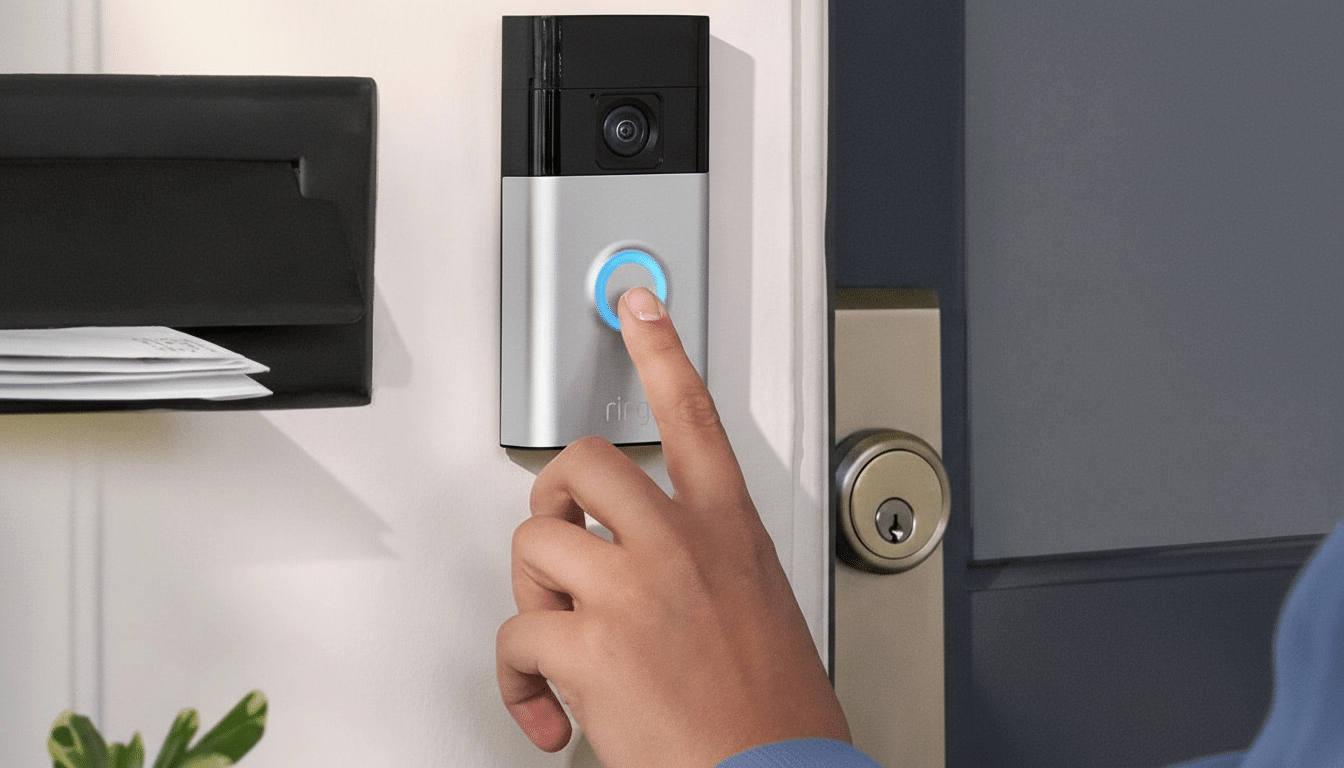
Installation remains straightforward. Because there’s no wiring, you can mount with screws and a backplate in minutes, and take the unit with you if you move. The included security screw helps deter casual tampering, and the compact footprint fits cleanly on narrow trim where wired plates may not.
What a Subscription Unlocks for Ring Doorbell Owners
As with most cloud-connected doorbells from major brands, the best features sit behind a paid plan. With a Ring Protect subscription, you gain video recording and history, rich notifications with snapshots, and enhanced alerts like package detection for reviewing events later. Without a plan, you still get live view and motion alerts, which cover basic monitoring but won’t save clips for after-the-fact review. Consumer advocates routinely flag this subscription model across the category, so factor ongoing costs into your “deal” math.
How It Stacks Up at This Price Against Rivals
At $59.99, the Ring Battery Doorbell undercuts many rivals. Google’s entry typically runs well into triple digits, and battery models from brands like Arlo and Eufy are often $90 to $150 depending on bundles. Budget players such as Wyze can be cheaper on wired units, but in the battery space—where ease of setup is king—this discount puts a familiar ecosystem within impulse-buy reach. For Alexa-centric homes, the tight integration further tilts the equation.
Who Should Jump and Who Should Pause Before Buying
Jump if you want an inexpensive, battery-powered doorbell with credible video quality, quick setup, and seamless Alexa support. Renters, townhouse owners, and anyone who values head-to-toe framing for package visibility will appreciate what it delivers for the money. Pause if you require continuous local recording, HomeKit or Google Home-first setups, or hot-swappable batteries. In those cases, you may prefer doorbells with local storage hubs or different ecosystem hooks.
The bottom line: with the clock ticking and both finishes in stock, this 40% drop is a rare chance to cover your doorstep with a recognizable nameplate for under $60. If the feature set matches your needs—and you’re comfortable with the subscription model—don’t wait for the timer to hit zero.
