


A Sudden Reversal With Big Privacy Stakes
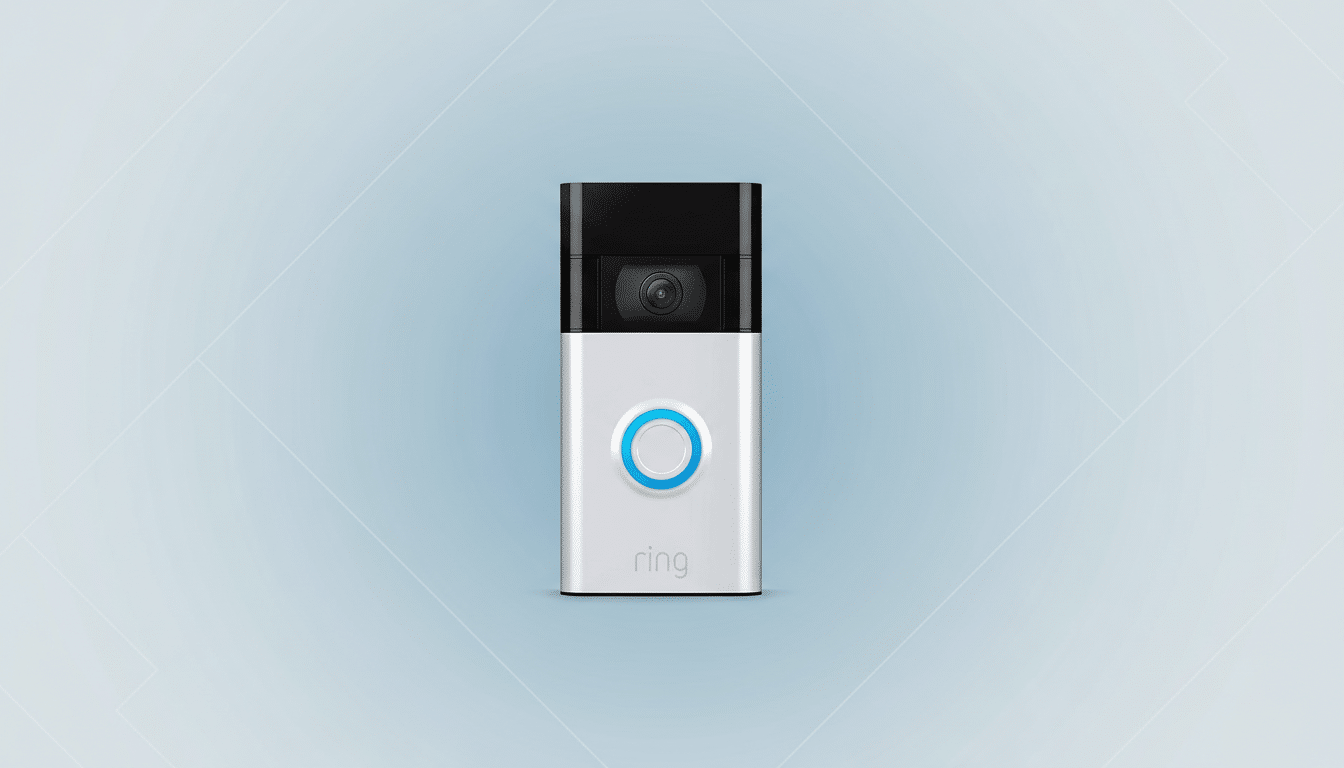
Ring and Flock Safety have called off a planned integration that would have streamlined police access to user videos, a move that lands squarely in the middle of an intensifying debate over neighborhood surveillance. Ring framed the decision as a resource and timeline issue in a company blog post, stressing the integration never launched and no customer videos were shared with Flock Safety. The retreat follows growing consumer backlash, stoked by a polarizing Super Bowl ad and renewed scrutiny of how private cameras feed public policing.
The cancellation also signals how reputational risk and compliance complexity now shape smart security roadmaps. Integrations that touch law enforcement evidence systems require rigorous chain-of-custody controls, user-consent management, and auditability — all against a patchwork of state privacy laws and rising expectations from civil liberties groups.
How The Integration Was Supposed To Work
Announced last fall, the Ring–Flock plan was pitched as a way to “help solve crime” by letting police request Ring camera clips directly from residents. Flock Safety, known for its automated license plate reader networks and camera systems, would route approved videos straight to investigators. The model leaned on existing workflows Flock has with thousands of departments, promising speed and uniformity.
In practice, that meant police could post requests in the Ring Neighbors app, and consenting residents’ footage would be delivered into Flock’s evidence pipeline. Flock has said it works with more than 5,000 law enforcement agencies nationwide, underscoring the scale such an integration could have brought to neighborhood video sharing.
Backlash Fueled By Law Enforcement Agency Ties
Critics warned the partnership risked normalizing warrantless video funnels and expanding a privatized surveillance web. Advocacy groups such as the Electronic Frontier Foundation have long argued that linking consumer cameras to police systems can chill speech and movement, especially when combined with facial recognition or vehicle tracking.
Concerns sharpened because Flock’s data and services have been accessible to federal agencies. Reporting by 404 Media found that while Flock did not maintain a direct partnership with U.S. Immigration and Customs Enforcement, ICE could obtain Flock data through local agencies. Flock has acknowledged that access path and has confirmed direct work with U.S. Customs and Border Protection. Those connections, coupled with Ring’s own history of close police collaboration, intensified user distrust.
Ring has previously faced scrutiny for its law enforcement programs. Motherboard revealed in 2019 that the company had secret arrangements with police departments, including portals for footage requests and promotional quid pro quo. By 2020, 2,014 government agencies could use Ring’s Neighbors Portal, and agencies submitted requests tied to 22,335 incidents that year, with more than half approved. In 2022, Amazon said it provided Ring footage to police without user consent in limited emergency situations. Ring later removed its public Request for Assistance tool in 2024, yet it continued enabling police workflows through integrations like Axon’s evidence management system.
Legal And Technical Hurdles Behind The Scenes
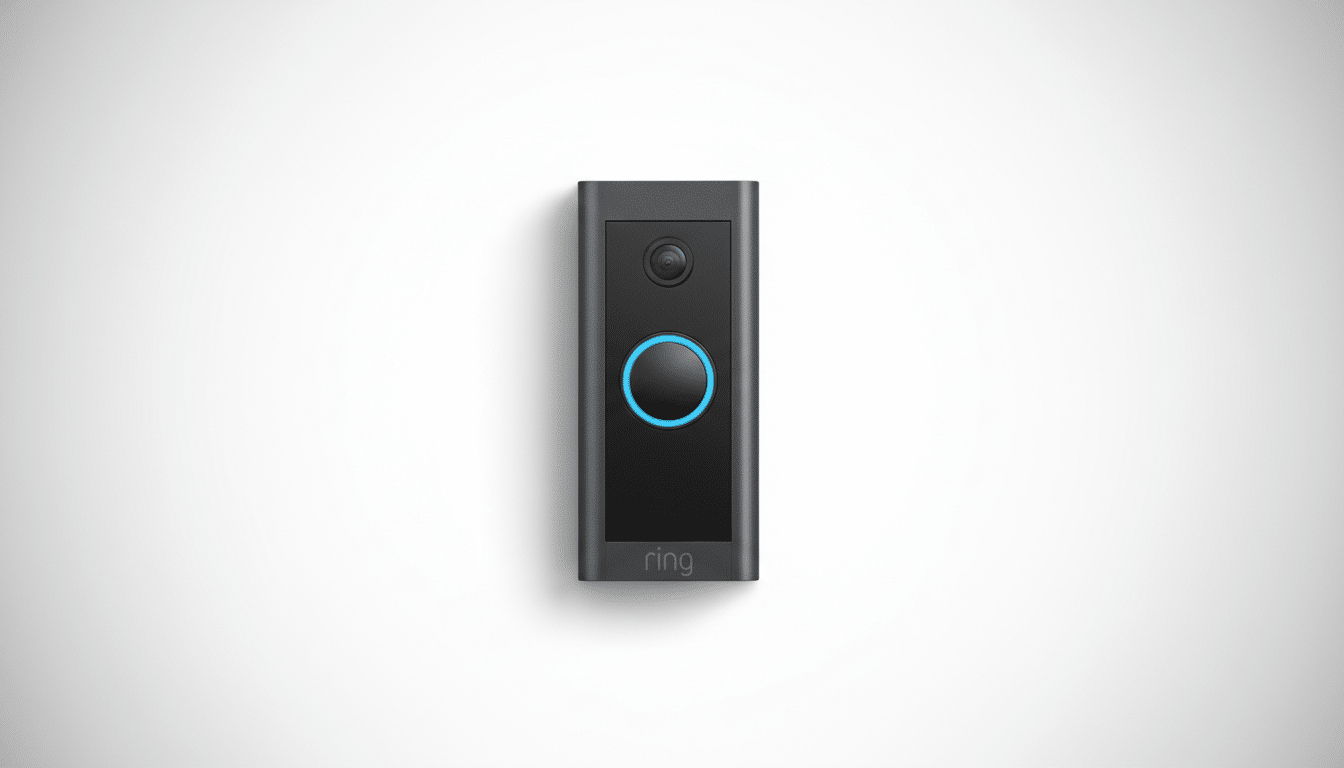
Beyond public blowback, building a compliant, scalable police-facing pipeline is technically demanding. Any system that ingests consumer video into criminal investigations must ensure unbroken chain of custody, detailed logging, immutable hashing, and retention policies aligned with evidentiary standards. Layer on opt-in consent, revocation, and geofenced requests to limit dragnet effects, and the integration burden grows fast.
There’s also a shifting legal landscape. State rules governing automated license plate reader data, biometric identifiers, and public records vary widely. Privacy statutes such as Illinois’s Biometric Information Privacy Act and city-level facial recognition limits raise additional risk if consumer devices are arbitraged for policing. For a consumer brand like Ring, one misstep can turn a feature into a flashpoint.
Consumer Trust At A Tipping Point For Ring
The outcry around Ring’s Super Bowl spot — which touted an AI-powered “Search Party” tool to find lost pets — crystallized these tensions. Viewers quickly noted the same detection capabilities could be used to track people. The Electronic Frontier Foundation warned that pairing consumer video with facial recognition risks infringing on privacy and due process, especially when deployed at neighborhood scale.
That perception shift matters. Reports of users unplugging, returning, or destroying devices reflect a broader consumer calculus: convenience only wins if people trust the governance around their footage. For Ring, stepping back from the Flock deal may be as much about stabilizing that trust as it is about engineering hours and budgets.
What It Means For Users And Police Going Forward
For Ring owners, the immediate upshot is status quo: no new pipeline automatically tying their cameras to Flock’s systems, and no change to existing community request features. For police, it removes a potential shortcut that could have standardized evidence intake from neighborhood cameras at scale.
The bigger story is directional. Tech companies are being forced to balance public safety claims with rigorous, explicit consent and narrow, transparent pathways for data sharing. Partnerships that once seemed inevitable now face a higher bar — not just for performance and cost, but for civil liberties safeguards that are visible and verifiable. If Ring or its competitors revisit similar integrations, expect tighter opt-in controls, clearer audit trails, and independent oversight to be table stakes.
