


After a decade of handling every kind of handset, I still miss the unapologetic simplicity of metal-backed phones. Glass may dominate the spec sheets and storefronts, but aluminum backs once gave phones a tougher skin, a cleaner thermal path, and a premium feel that didn’t demand a case. It’s time to talk seriously about bringing them back.
Why Metal Backs Won Fans Among Many Phone Users
Durability is the headliner. Glass backs look elegant on day one and spiderweb on day two. In repeated drop tests from Allstate Protection Plans, back glass on mainstream flagships has often failed on the first face-down impact, a result that mirrors what many of us see in the real world. By contrast, a metal shell may dent, but it keeps functioning and won’t leave razor-fine shards in your fingertips, a risk iFixit has flagged in multiple teardown notes.
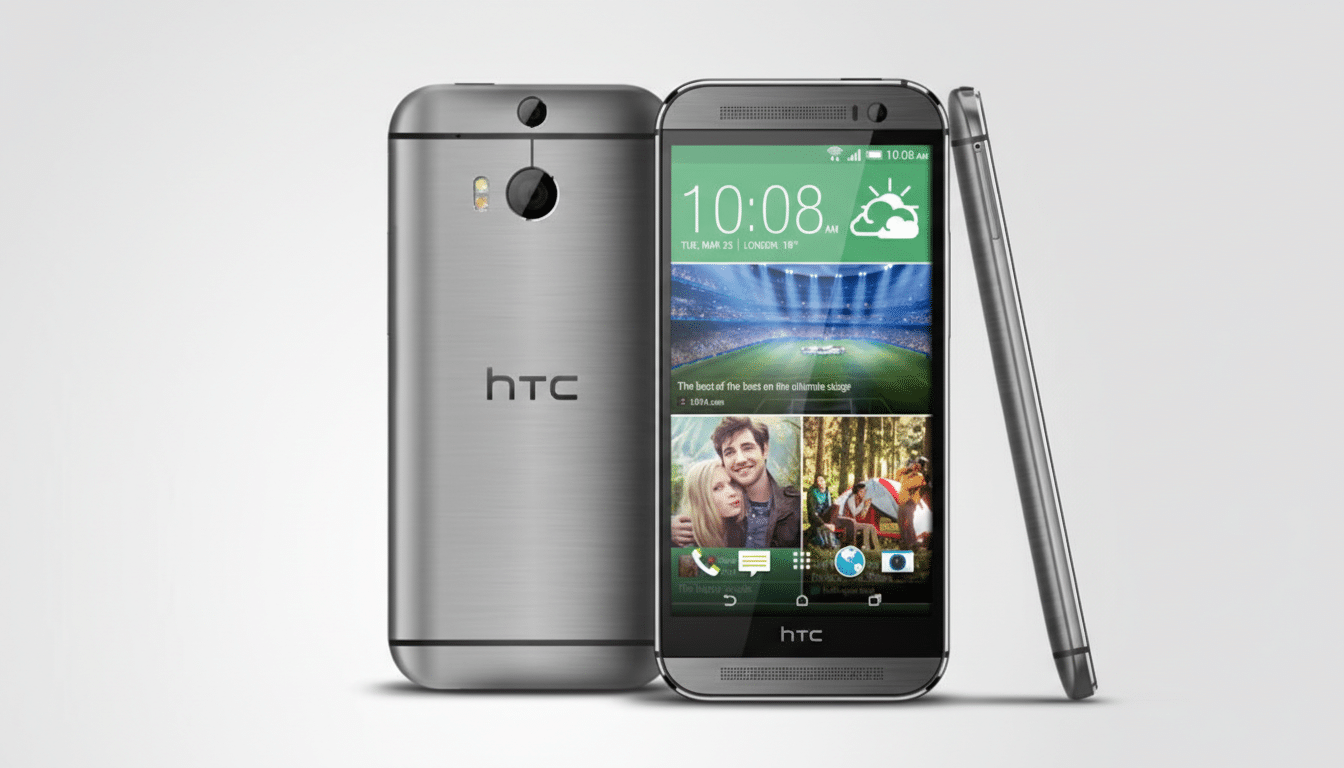
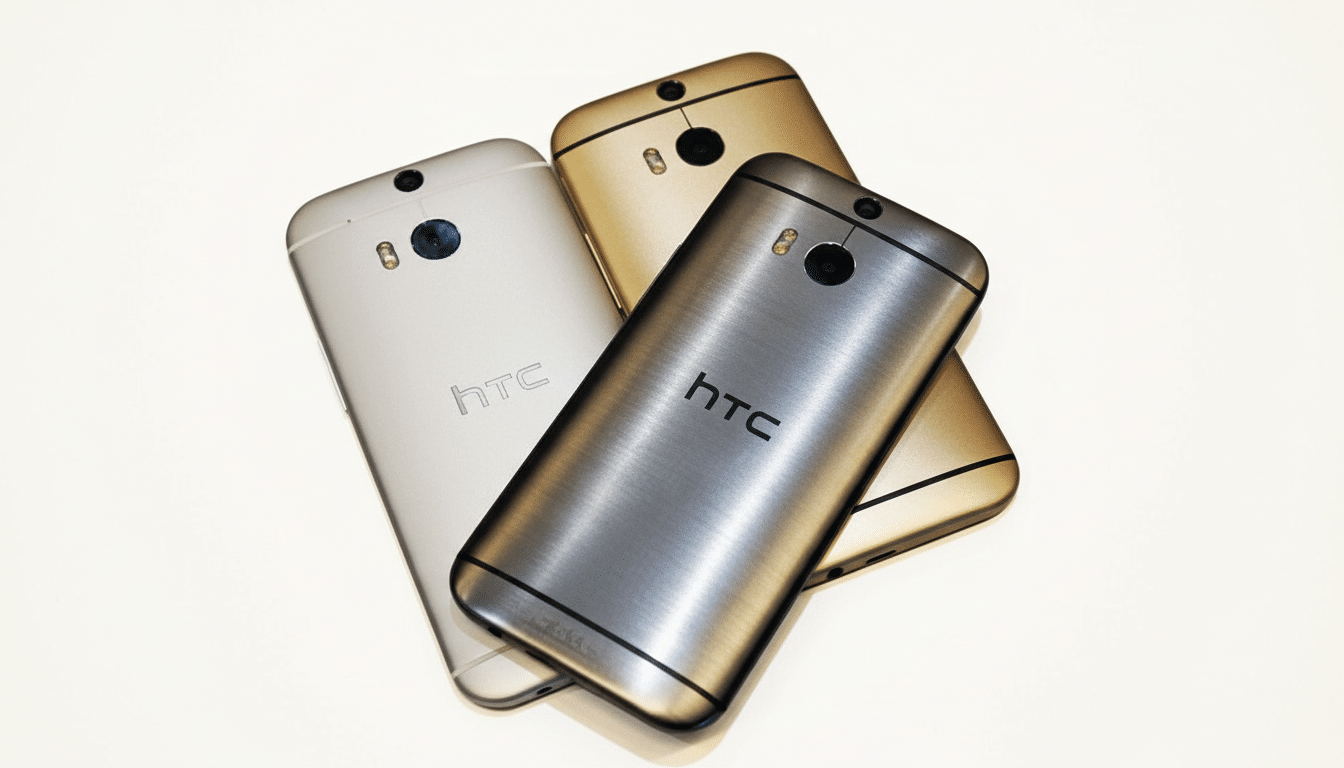
There’s also the intangibles: the cool-to-the-touch feel of anodized aluminum and the reassuring solidity of a unibody frame. Classics like the HTC One M8, Nexus 6P, and Huawei P9 showed how metal can look timeless without playing the mirror-ball game. They invited you to go caseless, which is a small design miracle in an era where many flagships seem built to be hidden.
The Wireless Charging Roadblock Is Solvable
Yes, metal and inductive charging have a complicated relationship. Aluminum blocks wireless power transfer, which is why glass (or plastic) took over when Qi charging became table stakes for premium phones. But “impossible” is too strong a word. Google’s Pixel 5 used a clever bio-resin over aluminum with precisely placed cutouts to keep Qi working. Even a decade earlier, Nokia’s Lumia 925 added wireless charging via a clip-on shell, proving that modularity is an option.
Meanwhile, this constraint barely applies to midrange devices, where wireless charging remains far from universal. Counterpoint Research has noted that adoption is concentrated in the premium tier and sits well below 50% of global shipments. If half the market is skipping the feature, why are so few of those phones embracing metal? Cost and manufacturing inertia, not physics, seem to be the culprits.
Antennas, Heat And The Physics You Can’t Ignore
Metal attenuates radio waves, but this is a solved design challenge. From the iPhone 7’s antenna bands to the larger glass or plastic “windows” used around cameras and logo panels, engineers have long routed signals through small non-metal sections. Even with 5G’s trickier bands, windowed designs and frame breaks guided by 3GPP requirements make reliable reception achievable without a full-glass back.
Thermals are where metal quietly shines. Aluminum’s thermal conductivity sits around 205 W/mK, compared with roughly 1 W/mK for common glass. In plain language, a metal back can act like a giant heat spreader, pulling warmth away from the chipset and battery and smoothing out performance during gaming or video capture. Your fingers might feel more heat, but the silicon inside feels less—and that often means fewer throttling spikes and a steadier experience.
The Real Reason Metal Faded: Cost And Process
Unibody aluminum requires CNC machining, anodizing, careful tolerances, and sometimes multi-step antenna isolation—all of which drive cost and production time. Glass backs, by contrast, slot neatly into a mature supply chain, bond easily with adhesives, and pair well with eye-catching gradients and textures that marketing teams love. Teardown firms like TechInsights have repeatedly shown how these choices ripple through the bill of materials and assembly time.
Repair is the hidden penalty of glass. Back-glass replacements can be shockingly expensive because they’re fused into the chassis, raising labor and parts costs. Right-to-repair advocates and Europe’s repairability index both penalize designs that require heat, solvents, and risk to swap a cracked panel. A metal back secured with screws or clips could be cheaper to service and friendlier to recyclers, especially if made from recycled aluminum—an area where many manufacturers are already investing.
What A Smart Metal Comeback Could Look Like
There’s a middle path between the all-glass fashion show and the all-metal purist’s dream. Imagine an aluminum back with a thoughtfully integrated polymer or ceramic window for antennas and Qi2 charging, textured for grip, and color-anodized to match the frame. Pair it with a thin internal vapor chamber to further spread heat, and you get a phone that runs cooler, survives drops better, and doesn’t beg for a $50 case on day one.
We’ve already seen hints of this direction in recent metal-bodied midrangers and experiments that hide radio-friendly cutouts in design elements. The appetite is there. Give buyers a sturdy, beautiful chassis that doesn’t shatter the moment it hits a sidewalk, and many will happily trade a few grams and a warmer touch for peace of mind and longevity.
Metal backs won’t fit every phone or every price point, but they deserve more than a nostalgic footnote. They represent a pragmatic balance of engineering and everyday durability—and for a lot of us who test these devices for a living, they simply make phones feel like tools again, not ornaments waiting to break.
