


A steep discount just hit a job seeker favorite. CareerSprinter Pro, a resume and interview platform designed for today’s AI-heavy hiring pipelines, is now available as a lifetime subscription for $49.99—an 89% cut from its $499 list price. For candidates fighting through automated screens and crowded applicant pools, the timing is notable.
What This Deal Actually Delivers For Job Seekers
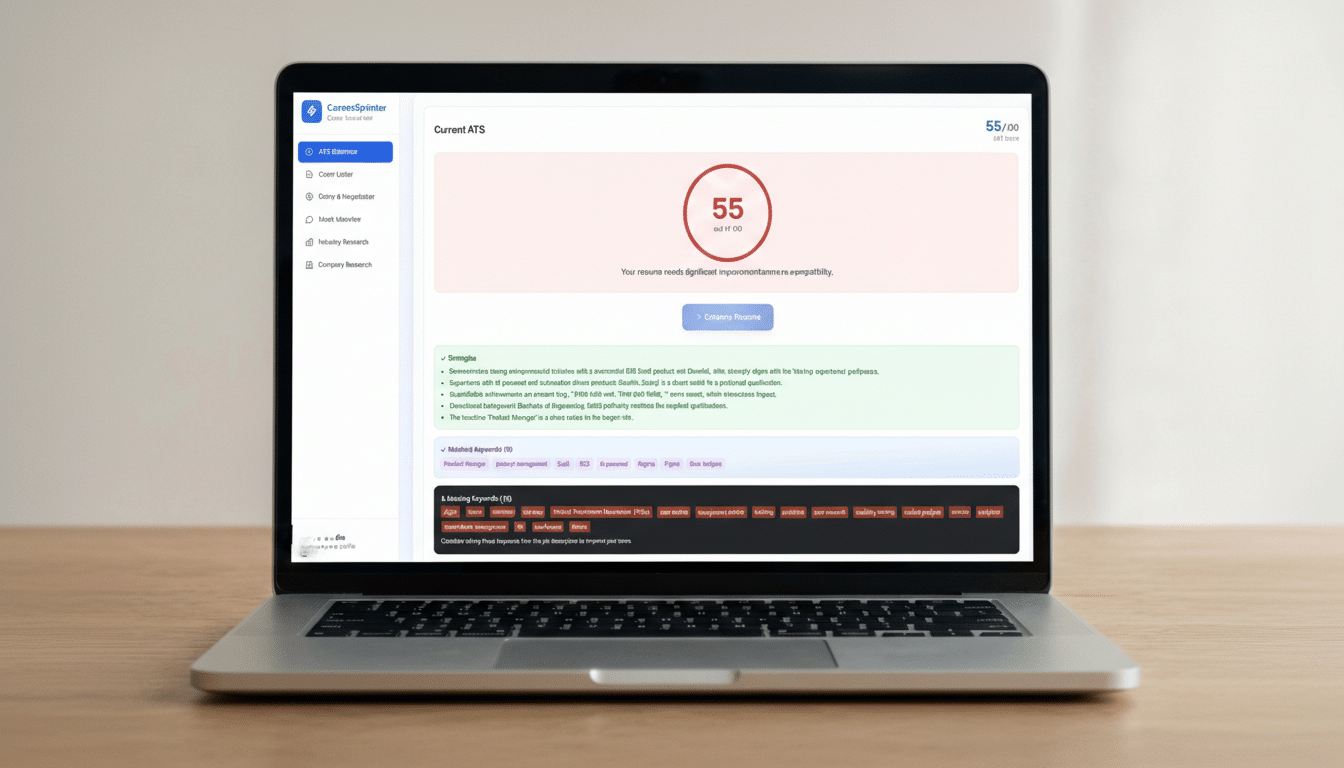
CareerSprinter Pro focuses on the two chokepoints that derail most applications: getting past applicant tracking systems (ATS) and performing under interview pressure. The tool offers resume enhancement and ATS optimization to surface relevant keywords, structure content for parsers, and flag format choices that often break in systems like Workday, iCIMS, and Greenhouse. It also generates tailored cover letters aligned to each job description, accelerating high-volume but targeted applications.
- What This Deal Actually Delivers For Job Seekers
- Why ATS Optimization Matters Right Now For Resumes
- AI Interviews That Clearly Mirror Real Screens
- Data For Smarter Negotiations And Pay Talks
- How The Price Stacks Up Against Alternatives
- Who Benefits Most From This Career Platform
- Bottom Line On CareerSprinter Pro’s Lifetime Deal
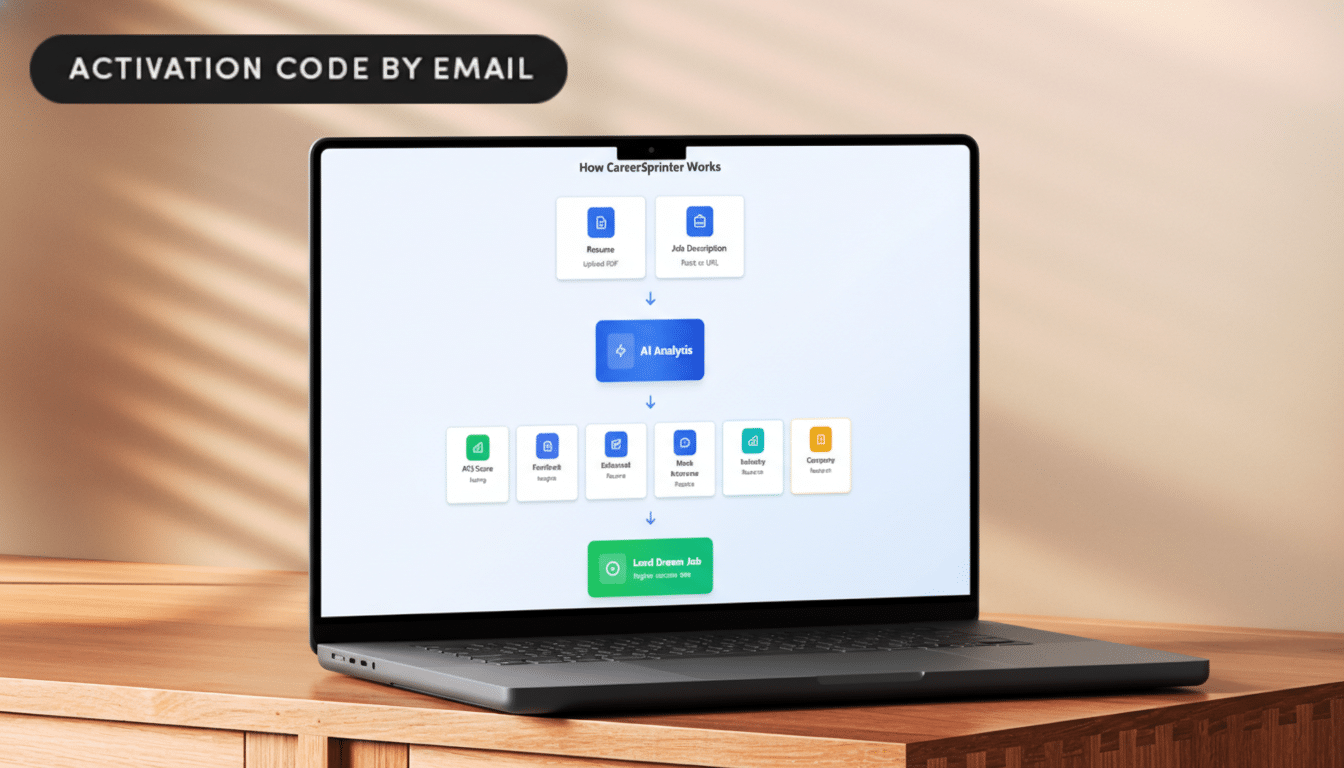
On the interview side, its AI-driven mock interviews simulate role-specific and behavioral questions, then provide feedback on clarity, structure, and alignment with competencies hiring managers expect. Built-in salary benchmarking and company research round out the workflow so candidates can prepare, interview, and negotiate without bouncing across multiple services.
Why ATS Optimization Matters Right Now For Resumes
Most large employers rely on ATS platforms to triage the flood of applications long before a human recruiter looks at a resume. Industry groups such as SHRM have reported widespread ATS adoption among enterprise employers, and LinkedIn’s recent hiring insights point to rising application volumes per opening across many knowledge-work roles. In this context, clean formatting and precise keyword alignment are not “nice to have”—they are table stakes.
CareerSprinter’s approach emphasizes the mechanics that matter: standardized section headers, parsable bullet points, job-aligned skills phrased the way recruiters search, and role-specific summaries that avoid graphics or tables that can disappear in parsing. For example, a marketing generalist pivoting to product marketing gets prompts to quantify outcomes (adoption, win rates, launch velocity) and add technical skills that commonly fuel search filters.
AI Interviews That Clearly Mirror Real Screens
Interview prep increasingly benefits from structure, especially for behavioral prompts. CareerSprinter’s mock interviews offer targeted follow-ups and feedback on STAR-style responses, helping candidates tighten problem statements, quantify impact, and anticipate probing. For technical or domain roles, scenario questions can be tuned to a seniority level to reduce the mismatch that often rattles otherwise qualified applicants.
In practice, that means a software engineer can rehearse system design prompts with time-boxed frameworks, while a sales leader can iterate on objection-handling narratives anchored to metrics. The goal is muscle memory: consistent openings, crisp transitions, and outcomes that map to how hiring panels evaluate candidates.
Data For Smarter Negotiations And Pay Talks
Salary benchmarking inside the platform helps candidates cross-check ranges by role, location, and seniority—useful at a moment when pay transparency laws have expanded posted ranges but not necessarily clarity. Coupled with company and industry research, candidates can walk into late-stage interviews ready to justify asks with data points rather than guesswork. Organizations like the U.S. Bureau of Labor Statistics and widely used compensation datasets have shown how pay bands vary meaningfully by market and title; having those patterns at hand is an edge when offers arrive.
How The Price Stacks Up Against Alternatives
Comparable services that blend resume optimization, coaching, and interview practice often charge monthly—commonly in the $20–$50 range—making a $49.99 lifetime tier notable if you plan to search more than once. It also undercuts the cost of a single session with many independent career coaches. The obvious caveat is that automated tools work best when the user actively customizes outputs; no platform can guarantee a callback without thoughtful human refinement.
Who Benefits Most From This Career Platform
Candidates changing industries, returning to work after a break, or competing for roles in crowded functions—marketing, project management, customer success—stand to gain the most from ATS calibration and structured interview practice. International applicants adapting resumes to U.S. norms and bootcamp grads translating projects into business outcomes can also benefit from the platform’s templated, parser-friendly layouts and keyword nudges.
There are also strategic uses for seasoned professionals. Senior engineers with legacy stack experience can reposition toward modern infrastructure roles by weaving in cloud competencies and tooling keywords that filters prioritize. Product leaders can highlight cross-functional outcomes—ARR growth, NPS shifts, activation metrics—so their narratives survive both the bot scan and the human screen.
Bottom Line On CareerSprinter Pro’s Lifetime Deal
In an automated hiring landscape where most resumes meet an algorithm first, CareerSprinter Pro’s lifetime pricing at an 89% discount stands out. The package blends ATS-aware resume tuning, tailored cover letters, AI interview drills, and salary research into a single workflow. It won’t replace the judgment and nuance of a human-crafted story—but for job seekers determined to get seen, it’s a pragmatic, timely accelerator at a price that’s hard to ignore.
