


Asbestos, once widely used in construction for its durability and fire-resistant properties, remains a hidden hazard in many buildings today. According to health statistics, exposure to asbestos fibers can result in severe respiratory conditions, including asbestosis, lung cancer, and mesothelioma. Data shows that unreported asbestos testing materials account for a significant number of workplace and home exposure incidents each year, making testing a vital preventive measure.
Reliable asbestos testing is the first step in identifying potential risks. Unlike visual inspections alone, professional testing provides precise information about the presence, type, and concentration of asbestos fibers. This data-driven approach is critical for property owners, facility managers, and contractors to take informed, safety-first actions before beginning renovation, maintenance, or demolition projects.
- How Does Asbestos Exposure Affect Long-Term Health?
- What Are the Key Methods Used in Asbestos Testing?
- Why Is Professional Testing More Reliable Than Visual Inspections?
- How Does Testing Support Regulatory Compliance?
- What Role Does Technology Play in Modern Asbestos Detection?
- How Can Testing Help in Risk Management?
- What Are the Benefits of Regular Asbestos Testing?
- Why Should Property Owners Choose Accredited Testing Services?
- How Can Testing Inform Remediation Strategies?
- What Steps Can Ensure Maximum Accuracy in Asbestos Testing?
- How Does Reliable Testing Protect Occupants and Workers?
- What Are the Long-Term Advantages of Asbestos Testing?
- How Can Property Managers Implement a Testing Program Effectively?
- Is Reliable Asbestos Testing an Investment in Safety and Compliance?
- Conclusion: Why Prioritizing Reliable Testing Matters?
How Does Asbestos Exposure Affect Long-Term Health?
Medical studies consistently indicate that inhalation of asbestos fibers leads to severe and often irreversible lung damage. Research published in occupational health journals shows that even low levels of exposure over time can result in chronic diseases. Statistics also reveal that early detection of asbestos presence and removal of hazardous materials can significantly reduce the probability of developing related illnesses.
Reliable asbestos testing is therefore not only a regulatory necessity but a crucial health safeguard. By detecting hidden hazards before they are disturbed, property owners can prevent accidental exposure and protect the well-being of building occupants and workers.
What Are the Key Methods Used in Asbestos Testing?
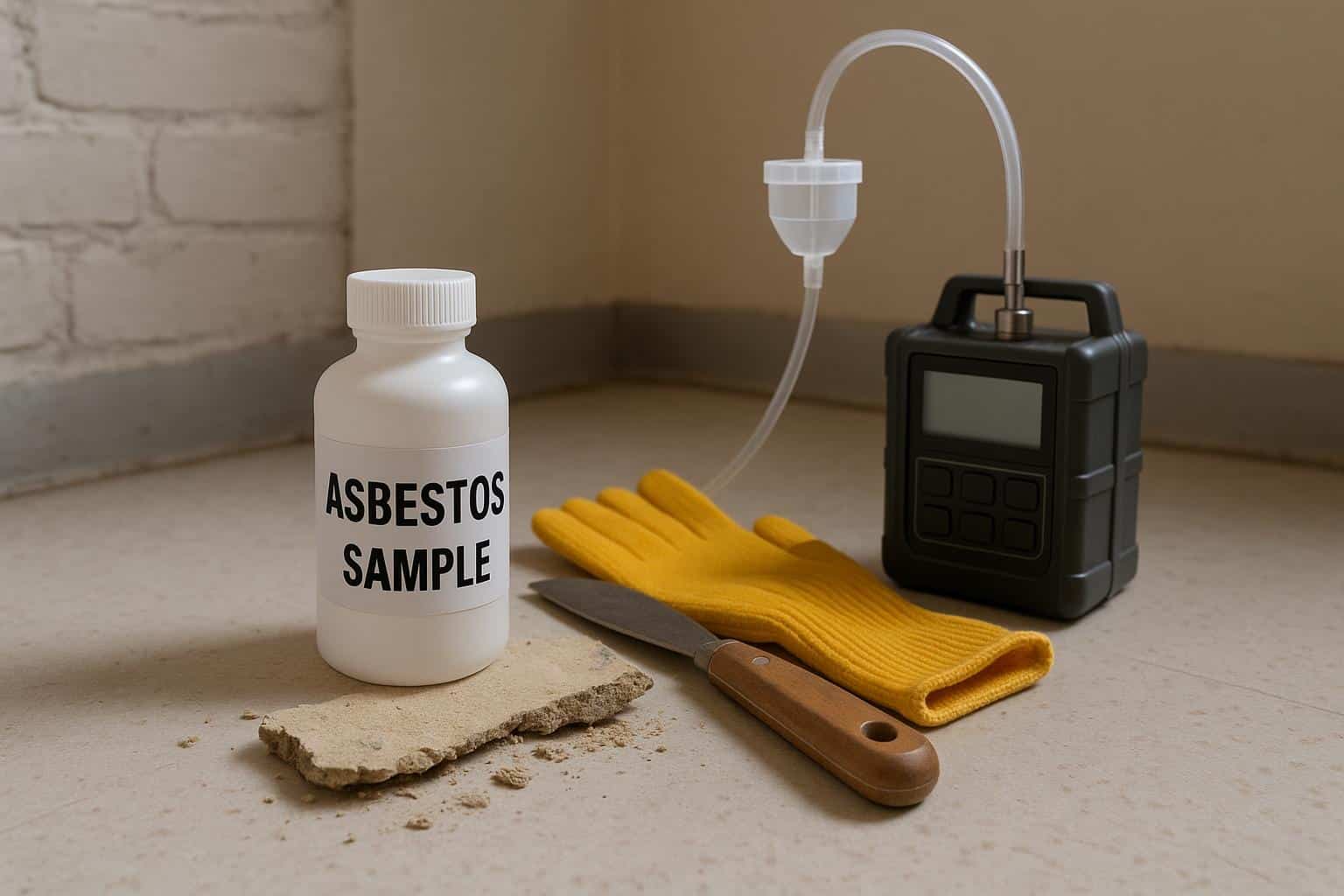
Professional asbestos testing relies on systematic and scientifically validated methods to ensure accuracy. Common approaches include:
- Surface Sampling: Small samples are collected from suspected materials and analyzed in accredited laboratories to confirm the presence of asbestos fibers.
- Air Monitoring: This involves capturing airborne fibers in areas where asbestos-containing materials may be damaged or disturbed. Statistical data shows that air sampling is particularly effective in assessing exposure risk in occupied spaces.
- Bulk Material Testing: Samples from insulation, ceiling tiles, or floor coverings are examined to determine fiber content and type.
Studies indicate that combining multiple testing methods increases detection reliability by up to 95%, reducing the likelihood of false negatives and providing a comprehensive safety profile for the property.
Why Is Professional Testing More Reliable Than Visual Inspections?
While visual inspections can suggest the presence of asbestos, research shows that over 60% of hidden asbestos-containing materials are missed during untrained assessments. Fiber detection requires laboratory-grade analysis, as asbestos is often indistinguishable from other materials to the naked eye.
Professional asbestos testing ensures accurate identification, quantifying the type and concentration of fibers present. Statistical analysis demonstrates that buildings assessed using accredited testing methods have significantly lower exposure incidents compared to those relying solely on visual assessment.
How Does Testing Support Regulatory Compliance?
Regulatory agencies worldwide mandate proper identification and management of asbestos-containing materials in buildings. Non-compliance can result in hefty fines, legal liability, and increased risk to occupants. Professional asbestos testing provides documented proof of the presence or absence of asbestos, fulfilling legal obligations and supporting health and safety compliance.
Data from government health reports shows that facilities with documented asbestos testing have a higher compliance rate and experience fewer violations. Accurate testing not only protects occupants but also shields property owners from regulatory and financial risks.
What Role Does Technology Play in Modern Asbestos Detection?
Technological advancements have significantly improved the accuracy and efficiency of asbestos testing. High-resolution microscopes, digital imaging, and sophisticated laboratory techniques allow for precise identification of asbestos fibers. Studies indicate that modern technology-assisted testing can detect up to 30% more hazards compared to traditional visual or manual methods.
Digital reporting tools also enhance transparency, allowing property owners and managers to access detailed testing results, track remediation progress, and maintain a record of compliance with industry standards.
How Can Testing Help in Risk Management?
Statistical models show that early detection and proper management of asbestos hazards directly correlate with reduced exposure incidents and improved workplace safety metrics. Reliable asbestos testing allows property managers to categorize risks accurately, implement control measures, and prioritize areas for removal or containment.
For example, testing results inform decisions such as whether encapsulation, full removal, or routine monitoring is the most effective strategy. This data-driven approach ensures resources are allocated efficiently while minimizing health risks for building occupants.
What Are the Benefits of Regular Asbestos Testing?
Regular asbestos testing provides ongoing assurance that hidden hazards are identified before they pose a risk. Research indicates that periodic testing reduces accidental exposure by 40% compared to one-time assessments. Benefits include:
- Enhanced Safety: Continuous monitoring and testing protect occupants from hidden asbestos hazards.
- Regulatory Confidence: Documented results help meet ongoing compliance requirements.
- Cost Efficiency: Early detection prevents extensive contamination, reducing remediation costs.
- Risk Prioritization: Testing helps focus attention on high-risk areas, enabling informed decision-making.
These advantages demonstrate that proactive, regular testing is not just a safety measure but a strategic approach to building management.
Why Should Property Owners Choose Accredited Testing Services?
Accredited asbestos testing laboratories follow strict guidelines and protocols to ensure results are reliable and legally defensible. Statistical evidence highlights that non-accredited testing services have higher rates of false negatives, which can lead to unrecognized exposure risks and costly liability issues.
By opting for accredited services, property owners gain confidence that their asbestos management strategy is based on accurate and verified data. Accreditation also ensures that testing procedures adhere to industry best practices, maintaining credibility and compliance.
How Can Testing Inform Remediation Strategies?
Once asbestos is detected, reliable testing provides the foundation for effective remediation planning. Data-driven insights allow professionals to assess the extent of contamination, determine fiber types, and select the appropriate removal or containment methods. Research indicates that sites managed with testing-informed remediation strategies have up to 50% fewer incidents of accidental exposure compared to sites without proper testing.
Testing also enables the creation of monitoring schedules post-removal, ensuring that previously contaminated areas remain safe and compliant with health standards over time.
What Steps Can Ensure Maximum Accuracy in Asbestos Testing?
To achieve the highest level of accuracy, several factors should be considered:
- Sampling Methodology: Proper collection techniques reduce contamination risk and improve reliability.
- Laboratory Accreditation: Using certified labs ensures consistent, validated results.
- Multiple Sample Analysis: Testing several samples across different areas increases detection accuracy.
- Data Review: Professional interpretation of results helps prioritize risk management actions.
Statistical evidence shows that combining these steps can improve asbestos detection success rates to above 95%, minimizing the chances of hidden hazards going unnoticed.
How Does Reliable Testing Protect Occupants and Workers?
Occupational health statistics reveal that most asbestos-related illnesses result from exposure during construction, renovation, or maintenance. Reliable testing identifies hidden hazards before work begins, allowing for the implementation of safety measures such as protective equipment, controlled removal, and restricted access.
By preventing unintentional exposure, testing directly contributes to safer working and living environments, lowering the incidence of asbestos-related health issues.
What Are the Long-Term Advantages of Asbestos Testing?
Long-term benefits of reliable asbestos testing extend beyond immediate safety. Properties with documented testing show higher compliance scores, reduced liability, and improved market value. Data indicates that buyers and tenants are more confident in buildings where asbestos hazards are professionally assessed and managed, demonstrating that testing contributes to both health and financial security.
Additionally, ongoing testing programs allow for early detection of new hazards, creating a proactive approach to property management that safeguards long-term occupant health.
How Can Property Managers Implement a Testing Program Effectively?
Implementing an effective asbestos testing program requires a structured approach:
- Initial Assessment: Identify areas with potential ACMs.
- Professional Testing: Engage accredited laboratories for sample collection and analysis.
- Risk Evaluation: Use data to categorize hazards and prioritize remediation.
- Documentation: Maintain comprehensive records for compliance and monitoring.
- Regular Monitoring: Schedule periodic retesting to detect new hazards.
Studies confirm that structured testing programs significantly reduce exposure incidents and enhance overall building safety, highlighting the importance of integrating testing into routine property management practices.
Is Reliable Asbestos Testing an Investment in Safety and Compliance?
Reliable asbestos testing is more than a regulatory requirement—it is a strategic investment in the health of occupants, the longevity of the property, and legal protection. Data-driven studies consistently demonstrate that early detection, accurate assessment, and informed remediation strategies reduce health risks, prevent costly incidents, and ensure ongoing regulatory compliance.
By adopting a systematic, professional testing approach, property owners and managers can confidently address hidden asbestos hazards, creating safer, healthier, and more compliant buildings.
Conclusion: Why Prioritizing Reliable Testing Matters?
Hidden asbestos hazards pose a serious threat to health, safety, and property value. Professional and reliable asbestos testing provides accurate detection, regulatory compliance, and a solid foundation for risk management. Statistical evidence supports the critical role of testing in preventing exposure, guiding remediation, and maintaining long-term building safety.
In summary, investing in accredited asbestos testing is a proactive, data-driven strategy that safeguards health, ensures compliance, and enhances the value of any property. By identifying hidden hazards quickly and accurately, property owners and managers can take decisive action to protect occupants, workers, and the building itself, creating a safe and sustainable environment for years to come.
