


Construction jobsites are feeling tighter than ever lately. Safety expectations keep rising, project timelines keep shrinking, and finding consistent labor still feels unpredictable. If you are managing crews or equipment right now, that pressure probably feels familiar. It shows up in small decisions that suddenly carry more weight, like which machine stays on site or which attachment earns its place on the trailer.
This is exactly where the conversation around attachments has shifted, and Quick Attach, a Minnesota-based manufacturer of industrial strength equipment attachments, is responding to those changes by aligning its attachment strategy with the way jobsites actually operate today.
How Jobsite Expectations Are Quietly Changing
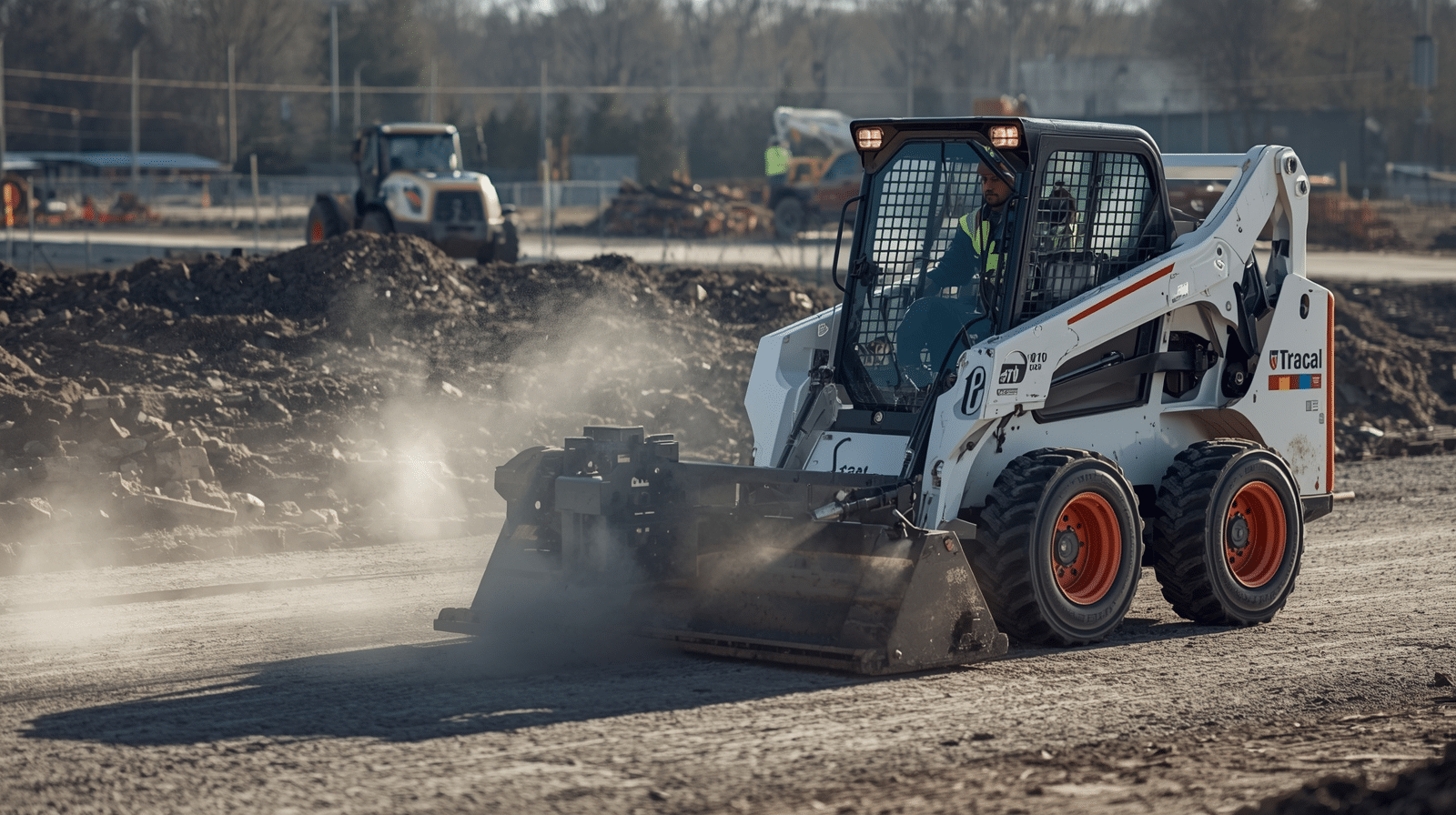
Walk onto a modern jobsite, and you will notice something right away. Compact equipment is doing more than it used to. Skid steer sweeper attachments and similar machines are handling tasks that once required multiple pieces of equipment. That is not just a trend; it is a response to reality.
Contractors are dealing with fewer hands on site and less margin for delays. That means attachments can no longer slow things down or require constant attention. If an attachment creates friction, it usually gets sidelined fast.
Across the industry, a few expectations keep coming up in conversations with operators and project managers:
- Equipment needs to move between tasks without downtime.
- Surface conditions have to stay controlled all day, not just at the start.
- Attachments should feel predictable, not temperamental.
Surface maintenance tools now play a bigger part in daily jobsite planning. The goal is no longer limited to tidying up after work wraps. Maintaining clean, controlled surfaces throughout the day helps improve safety, machine mobility, and overall crew efficiency.
Operational Pressure Is Driving Smarter Equipment Choices
On paper, many attachments look similar. On a real jobsite, the differences show up fast. If an attachment clogs easily, requires frequent adjustments, or wears down faster than expected, it becomes a problem everyone notices.
Contractors are leaning toward equipment that supports the flow of work instead of interrupting it. For instance, surface management attachments help prevent loose debris from becoming a safety issue halfway through a shift. They also reduce the need to bring in additional machines just to reset conditions.
That is one reason the skid steers have become a planning tool rather than an afterthought. When operators can sweep as they go, sites stay more organized, access lanes stay open, and supervisors are not constantly stopping work to reset areas.
Where Quick Attach Fits Into This Shift
Quick Attach has taken a noticeably practical approach to its attachment strategy. Instead of chasing short-term trends, the focus stays on how attachments perform under daily pressure. That mindset shows up in design decisions that prioritize durability, compatibility, and ease of use.
If you have ever tried to integrate attachments across a mixed fleet, you know how frustrating poor compatibility can be. Quick Attach has leaned into solutions that work across platforms without constant modifications or operator retraining (a detail crews tend to appreciate).
Rather than pushing individual products as standout pieces, the broader message is about reliability over time. Contractors want tools that feel familiar after the first hour of use and still perform months later under real conditions.
Surface Maintenance as a Productivity Tool
Surface maintenance used to be treated as a separate task. Now it is part of keeping a site running smoothly. Loose gravel, dust buildup, and debris do more than create a mess. They slow machines, create trip hazards, and increase wear on equipment.
By treating surface control as a core operational function, contractors are rethinking how they use attachments during the workday. A skid steer sweeper attachment helps maintain consistent ground conditions without pulling crews away from primary tasks. That keeps work moving and reduces small disruptions that add up over time.
This approach fits well with how Quick Attach positions its attachment lineup. The goal is not to add complexity. It is to simplify daily operations by making attachments dependable and easy to integrate into routine workflows.
Portfolio Decisions Built Around Real Use
One noticeable aspect of Quick Attach’s strategy is restraint. Instead of expanding its lineup just to fill categories, the company emphasizes long-term usability. That shows up in:
- Structural designs built for repeated, demanding use.
- Reduced maintenance needs that matter in the field.
- Compatibility that supports fleet flexibility.
These choices reflect a clear understanding of how contractors actually use attachments. Tools are expected to perform consistently, not occasionally. That mindset supports stronger relationships with operators who rely on equipment to do what it promises without surprises.
Looking Ahead Without Overpromising
No one expects job-site pressure to ease anytime soon. If anything, expectations will continue to tighten. In that environment, attachment manufacturers play a quiet but important role in how contractors adapt.
Quick Attach’s approach reflects a steady response rather than a loud one. By refining its attachment portfolio around real-world use, the company shows a commitment to reliability and long-term value.
And honestly, that kind of consistency is exactly what contractors tend to notice first and remember later.
