


Google’s Pixel 10a lands squarely in the sweet spot of value and capability, pairing flagship-grade software smarts with reliable hardware at a $499 starting price. It’s the rare midrange phone that doesn’t read like a compromise list, and that’s why it immediately becomes the one to beat.
Why a $499 Price Point Changes the Midrange Math
The $400–$600 bracket has become the industry’s most competitive battleground, with consumers increasingly prioritizing longevity and camera performance over raw specs. Market trackers such as Counterpoint Research have noted steady momentum in this tier as buyers hold onto devices longer and expect more from upgrades. The Pixel 10a meets that moment: seven years of OS, security, and Pixel Drop updates at this price undercut many rivals and reframe what “midrange” should deliver.
- Why a $499 Price Point Changes the Midrange Math
- Premium Features in a Midrange Shell With Polish
- Cameras That Punch Above Their Weight Class
- AI And Performance Without The Premium Tax
- Battery Health And Real-World Endurance Gains
- Safety And Sharing Extras That Truly Matter
- What You Give Up And What You Don’t Lose
- The Midrange Phone To Beat For Most Buyers
Premium Features in a Midrange Shell With Polish
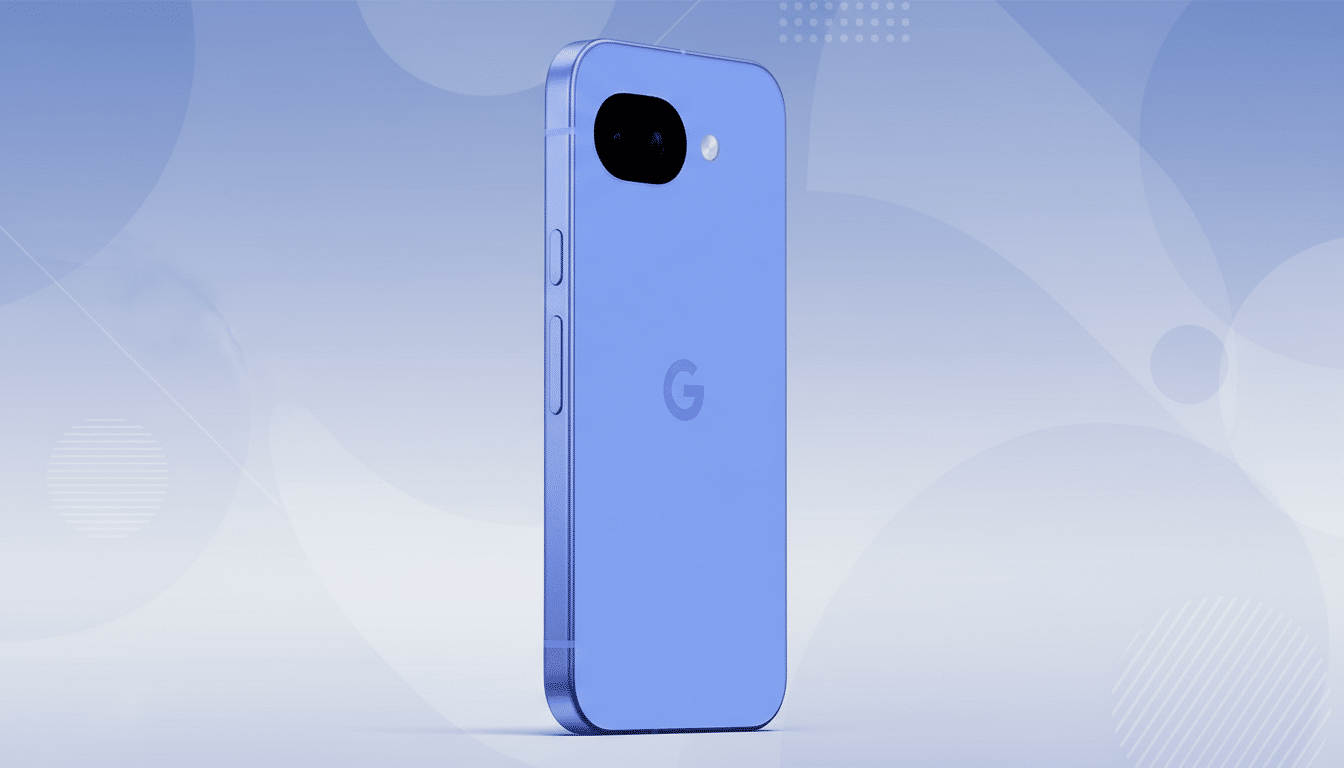
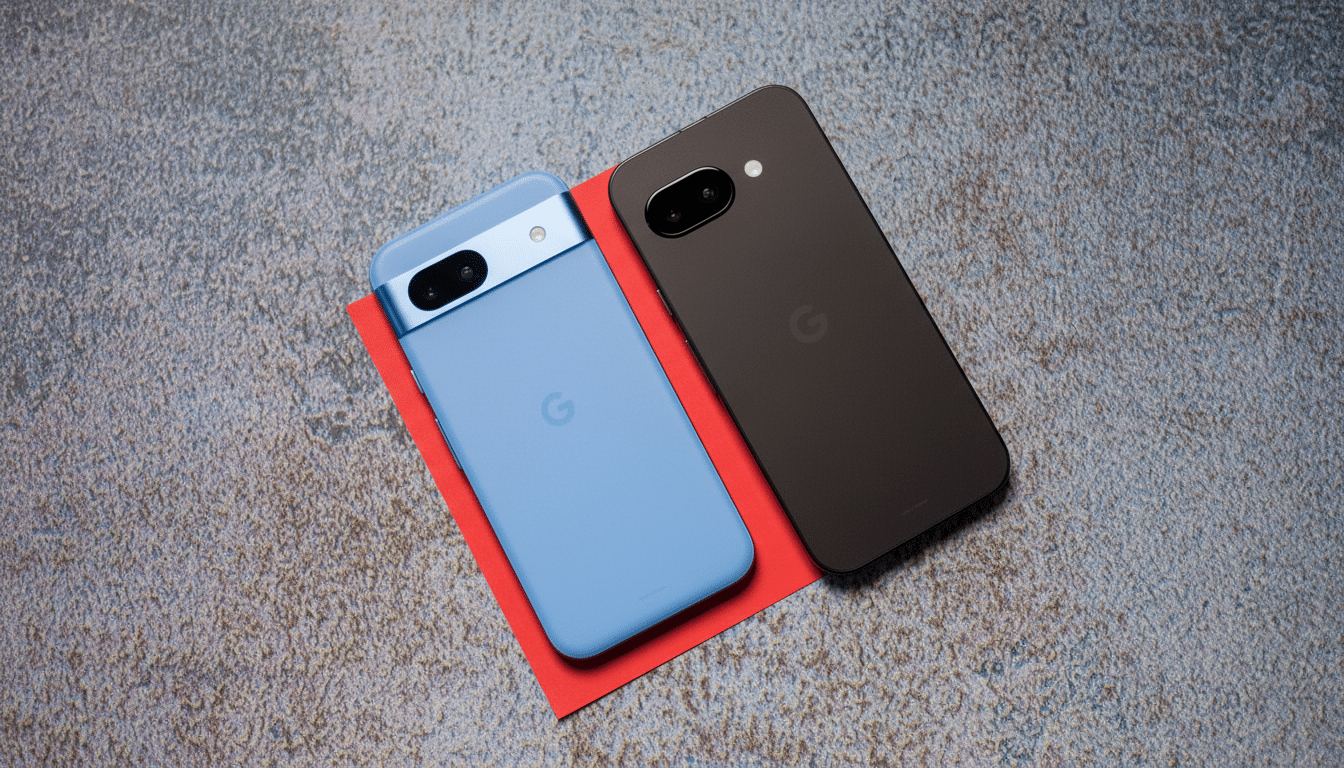
The Pixel 10a adopts a cleaner, flatter silhouette, with a noticeably lower-profile camera bar that helps it sit flush on a desk. It’s not just cosmetic—fit and finish feel deliberate, and the durability story gets a boost with Corning Gorilla Glass 7i up front and an IP68 rating. The 6.3-inch Actua display is 11% brighter than the last A-series model, improving outdoor readability without crushing battery life.
Colorways keep things playful: Lavender, Fog, and Obsidian are joined by a bold Berry finish that gives the A-series some personality usually reserved for limited editions. Matching first-party cases keep the look consistent if you want protection without clashing tones.
Cameras That Punch Above Their Weight Class
On paper, the camera setup mirrors the prior generation—48MP main and 13MP ultrawide—but the story here is software. Auto Best Take finally reaches the A-series, sifting through a rapid burst to pick the right facial expressions for group shots. Camera Coach uses on-device models to suggest better framing and composition in real time, a small nudge that helps casual photographers shoot more like pros.
The usual Pixel advantages remain intact: consistent skin tones, confident low light, and true-to-life white balance. While there’s no dedicated telephoto, Super Res Zoom still does commendable work at moderate ranges, and the lighter, flatter camera bar helps with stability for handheld night shots.
AI And Performance Without The Premium Tax
Powered by the same Tensor G4 chip found in Google’s higher-end models and paired with 8GB of RAM, the Pixel 10a runs the latest Android build with room to grow. That silicon unlocks Gemini-powered features once fenced off to pricier devices, from smarter voice interactions to more nuanced photo edits. It’s not just about flashy demos; live features like on-device transcription, Call Screen, and context-aware suggestions meaningfully cut friction in daily use.
Storage options of 128GB and 256GB match last year’s A-series, and the refreshed Material 3 Expressive design language modernizes the look of notifications, wallpapers, and in-app elements without veering into gimmickry.
Battery Health And Real-World Endurance Gains
Charging gets a practical upgrade: up to 30W wired and 10W wireless. Google also bakes in automatic battery health assistance, designed to optimize longevity over those seven years of promised updates. Power users may bristle at the lack of a toggle for that feature, but for most buyers, sustained battery health will matter more than that last 1% of speed or capacity in year five.
Safety And Sharing Extras That Truly Matter
Satellite SOS makes its A-series debut, enabling emergency messaging when you’re beyond cellular and Wi‑Fi coverage. That kind of safety net has typically lived behind premium price tags, so its arrival here is notable. Google is also rolling out the latest Quick Share upgrade for easier, faster file transfers across supported Android devices and PCs, smoothing out collaboration without third-party apps.
What You Give Up And What You Don’t Lose
There’s no Pixel Snap Qi2 magnetic charging or accessory ecosystem here—that remains reserved for the flagship line. If you rely on snap-on wallets or mounts, that’s a miss. But the essentials are intact and then some: IP68, wireless charging, a brighter display, and a robust camera stack with AI assist. In the trade-off ledger, the Pixel 10a comes out ahead for most mainstream buyers.
The Midrange Phone To Beat For Most Buyers
Against rivals like Apple’s entry iPhone and Samsung’s latest Galaxy A-series, the Pixel 10a leans on long-term software support, smart photography, and safety features to swing the value equation. It keeps the $499 price while pulling flagship ideas down to a friendlier budget, which is exactly what buyers in this tier want. If you’re shopping the midrange, start here—and make everyone else justify why you should look elsewhere.
