


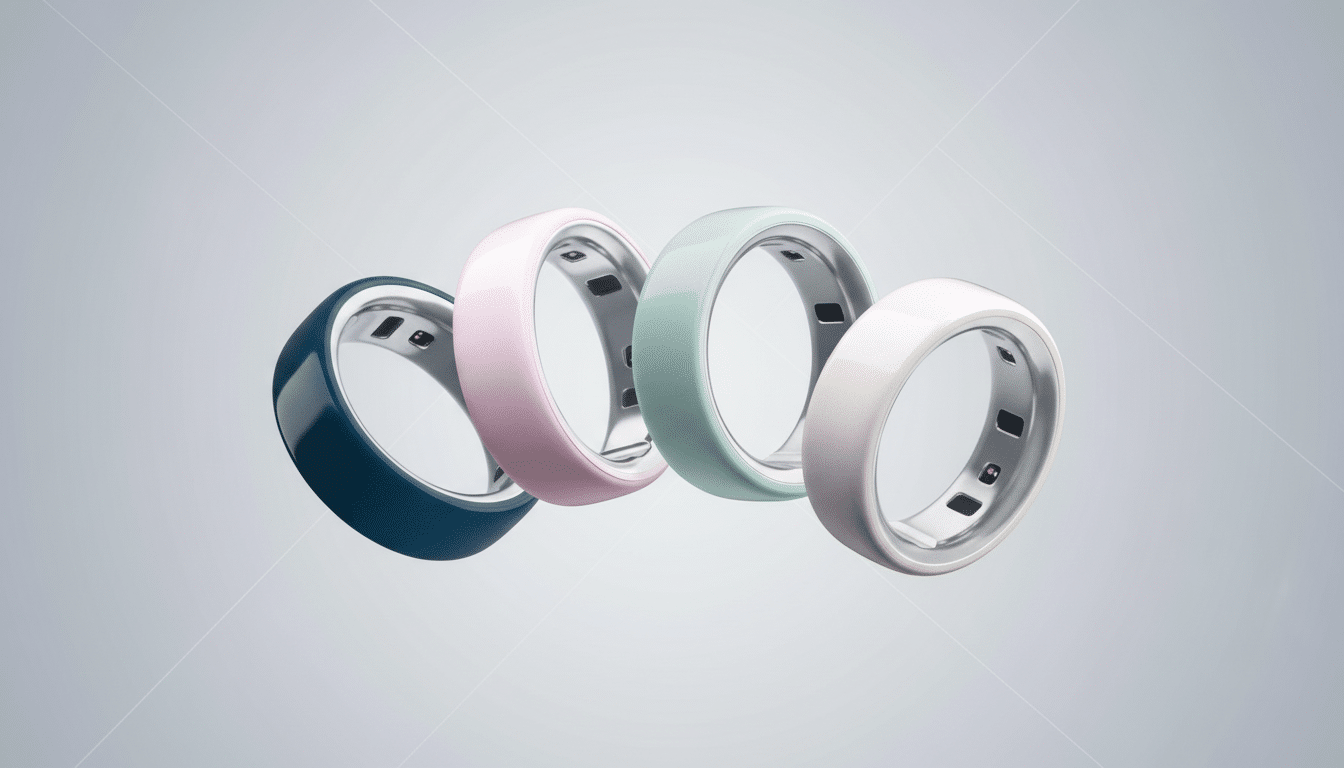
Oura has unveiled its first in-house artificial intelligence model built expressly for women’s health, powering the company’s Oura Advisor chatbot with tailored guidance across the full reproductive spectrum—from first periods to menopause. The system pairs clinical knowledge reviewed by board-certified experts with long-term biometric patterns from the Oura Ring to answer member questions with context that generic chatbots often miss.
A Purpose-Built Model For Reproductive Health
General-purpose AI can sound confident while overlooking critical nuances in women’s health, where hormonal cycles, pregnancy, postpartum recovery, and menopause can reshape sleep, temperature, heart rate variability, and mood. By training a proprietary model on vetted clinical standards and literature—reviewed by Oura’s in-house clinicians and women’s health specialists—the company aims to reduce those blind spots and deliver answers that reflect the realities of changing physiology.
This focus addresses a long-standing data gap. The American College of Obstetricians and Gynecologists has called menstruation a “vital sign,” yet historically, women have been underrepresented in clinical research, especially during pregnancy. That deficit has downstream effects on digital tools. A model tuned to the menstrual cycle, perimenopause, and postpartum recovery can interpret biometric shifts—like a 0.3–0.5°C rise in skin temperature after ovulation or HRV changes in the luteal phase—more responsibly than one-size-fits-all systems.
How Oura Advisor Uses Biometrics for Personalized Guidance
When a member asks a women’s health question, Oura Advisor consults the new model alongside the user’s longitudinal data: sleep staging and timing, skin temperature trends, resting heart rate, HRV, activity load, cycle or pregnancy logs, and indicators related to stress and recovery. Rather than offering generic tips, it can frame guidance around the user’s typical baselines and recent deviations.
Consider a member reporting mid-cycle insomnia. The model can note a recent uptick in evening heart rate and elevated temperature consistent with ovulation, then suggest sleep hygiene adjustments and training modifications that respect this phase—while pointing to red flags that warrant clinical care if symptoms escalate. For perimenopause, where roughly 75% of women experience vasomotor symptoms according to leading menopause societies, the system can contextualize nocturnal awakenings and thermoregulation shifts against the user’s norms and evidence-based recommendations.
Oura says the model’s tone is designed to be supportive and non-dismissive—a critical detail in women’s health, where symptoms are too often minimized. Still, it’s not a diagnostic tool and will steer users toward clinicians for assessment and treatment decisions.
Safety, Privacy, and Clinical Guardrails Explained
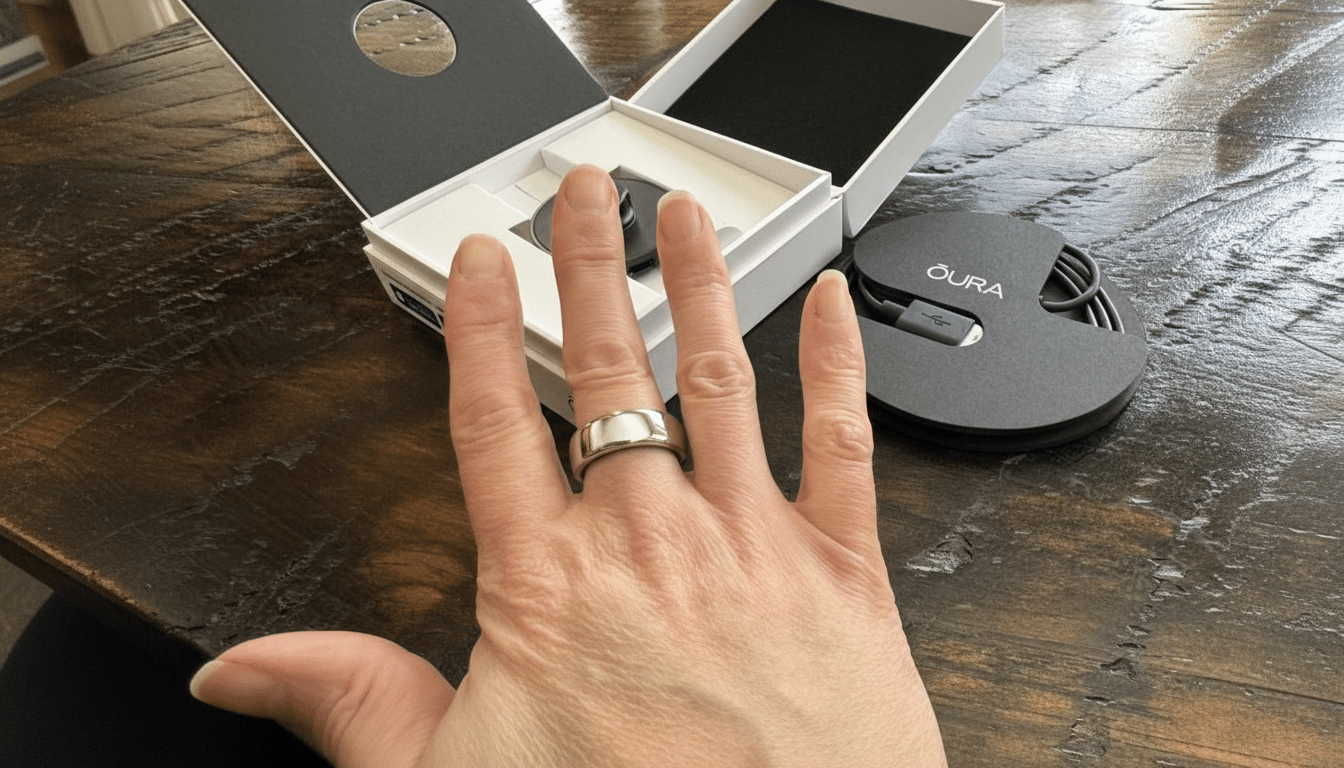
The company notes the model is hosted on Oura-controlled infrastructure and that conversations aren’t shared or sold. That stance matters: most consumer health apps are not covered by HIPAA, and reproductive data sensitivity has heightened expectations for minimization and transparency. Clear guardrails—what the model can and cannot do—are central to trust.
Expert groups increasingly urge documentation of model provenance, training sources, and evaluation on diverse populations. Oura says the system is grounded in established research and reviewed by board-certified clinicians. Independent benchmarking—especially across age groups, skin tones, stages of the reproductive lifespan, and comorbidities—will be the next test of rigor.
A Crowded Field With a Different Angle on Wearables
Wearables from Apple, Fitbit, and Garmin already offer cycle logging, and period-tracking apps like Clue and Flo provide symptom insights. Oura’s differentiator is continuous nighttime sensing paired with an AI layer that reads individual baselines, plus existing integrations with fertility tools such as Natural Cycles that leverage temperature trends. With about 21% of U.S. adults using a smartwatch or fitness tracker, according to Pew Research, the appetite for personalized guidance is clear—and women drive over 80% of healthcare decisions in many households, according to industry analyses.
If executed well, the model could also help athletes and active users tune training to cycle phases, a practice supported by emerging sports-science literature, and help perimenopausal users manage sleep and recovery targets during symptomatic stretches. The opportunity is not just convenience but adherence: contextual advice, delivered at the right moment, can nudge better daily decisions.
Access, Availability, and What to Watch Next
The new model is rolling out within Oura Labs, the opt-in testbed inside the Oura app. Members can enable it from the app’s menu to preview features and provide feedback that will likely shape broader release plans.
Key questions now:
- How will Oura measure accuracy and harm reduction for sensitive topics like irregular bleeding or postpartum mood changes?
- Will the company publish performance summaries or third-party audits?
- And as the model expands beyond women’s health, can Oura preserve the same depth while maintaining strong privacy and clinical guardrails?
For millions of users who already rely on the ring’s nightly signals, a purpose-built AI that understands the rhythms of women’s health is an overdue step. The next phase—transparent validation and continuous refinement—will determine whether it sets a new bar for responsible, personalized guidance in consumer health.

