


OPPO may be preparing to bring MagSafe-style magnetic wireless charging to its next flagship, with a fresh leak hinting at a built-in magnet ring for the rumored Find X10. A well-known Weibo tipster, Smart Pikachu, referenced an update tied to “magnetic closure,” a phrase that has sparked speculation that OPPO could finally embrace the magnet-aligned charging approach popularized by Apple and now standardized under Qi2.
What the Rumor Actually Says About Magnet Support
The Weibo post is brief and ambiguous, but the key term “magnetic closure” stands out because the Find X line is not a foldable series where a latch would make obvious sense. Industry watchers, including Android Headlines, interpret the phrasing as a nod to a magnetic attachment system—most likely the ring of magnets that aligns a phone precisely on a charger. With translation quirks in play, nothing is confirmed, but the wording aligns neatly with the hardware needed for Qi2’s Magnetic Power Profile.
- What the Rumor Actually Says About Magnet Support
- Why Magnetic Charging Matters for Android Flagships
- OPPO’s Track Record and Feasibility for Qi2 Magnets
- What to Expect If It Lands on the OPPO Find X10
- Competitive Landscape for Qi2-Ready Android Flagships
- Bottom Line on OPPO’s Rumored Magnetic Charging Plans
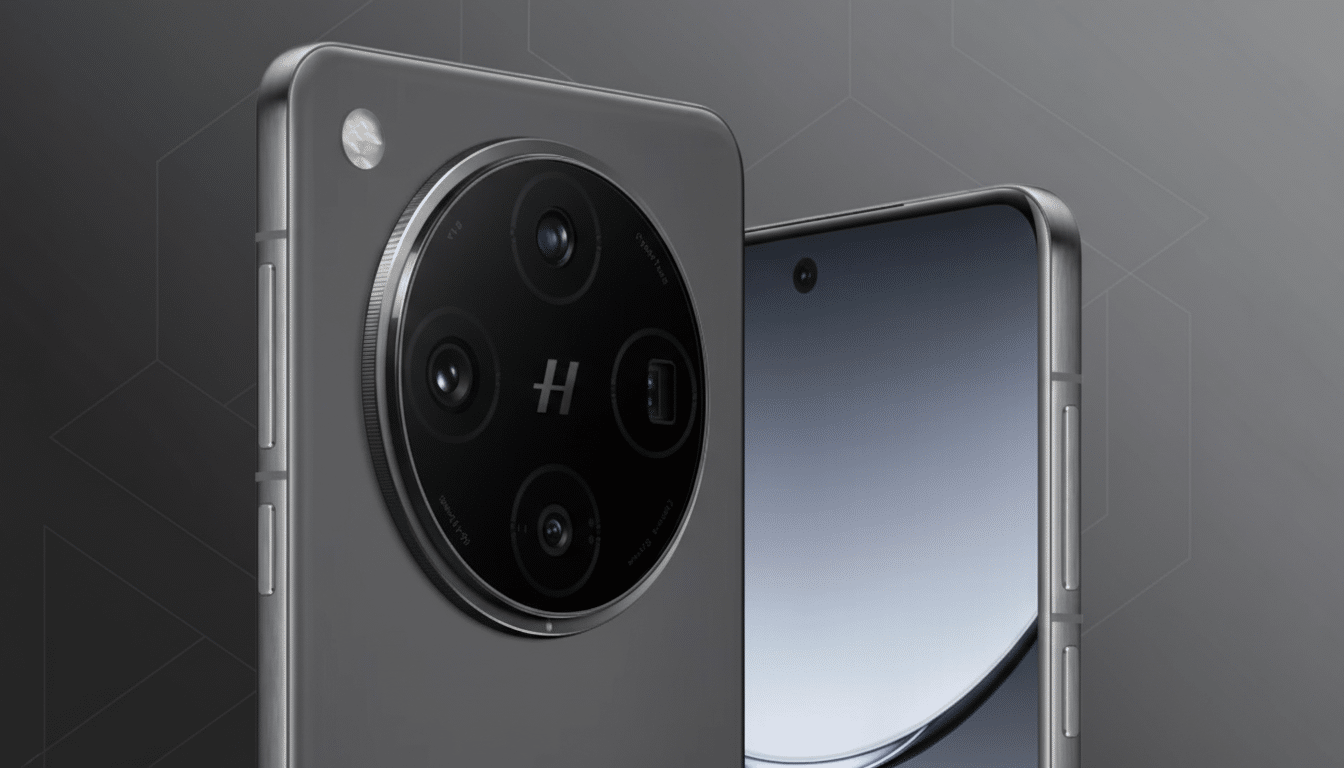
Crucially, this would not be OPPO’s first brush with magnets. The company showcased MagVOOC concepts several years ago, and its sibling brand Realme demonstrated high-power magnetic charging with MagDart. That heritage suggests OPPO has both the engineering chops and the supply-chain relationships to execute a polished, magnet-ready design if it chooses.
Why Magnetic Charging Matters for Android Flagships
Magnet alignment solves the oldest pain point in wireless charging: coil misalignment. When the coils don’t sit perfectly, energy is wasted as heat, charge speeds dip, and phones get toasty. The Wireless Power Consortium’s Qi2 standard, based on Apple’s Magnetic Power Profile, standardizes a magnet ring and alignment geometry so devices “snap” into the optimal position. That means more consistent 15W wireless charging under Qi2, better thermal behavior, and fewer fussy micro-adjustments on your nightstand.
It also unlocks a broader accessory ecosystem. With a magnet array in the phone itself, users can rely less on magnetized cases and more on native, snap-on chargers, battery packs, car mounts, and even wallets. Accessory makers have already rallied around Qi2; brands like Belkin and Anker are rolling out compatible gear, but the Android side still lacks enough phones with integrated magnets to fully catalyze the market.
OPPO’s Track Record and Feasibility for Qi2 Magnets
OPPO has consistently pushed charging innovation. Its AirVOOC tech delivered fast wireless charging years ahead of many rivals, and its wired SuperVOOC remains a benchmark for high-wattage efficiency. Adding a magnet ring would be an incremental mechanical change compared to those leaps, but it requires careful antenna design, thermal planning, and materials work to avoid interference or hot spots—all areas OPPO has experience optimizing.
On the business side, the timing is favorable. Qi2 is now a formal standard embraced across the industry, reducing the risk of fragmenting into proprietary ecosystems. If OPPO adopts a Qi2-compliant magnet array, users would benefit from a ready-made universe of third-party chargers and mounts without waiting for brand-specific accessories to trickle out.
What to Expect If It Lands on the OPPO Find X10
If the Find X10 ships with integrated magnets, look for a few immediate upgrades.
- First, chargers should lock the device into an ideal charging position with less heat and fewer drop-offs.
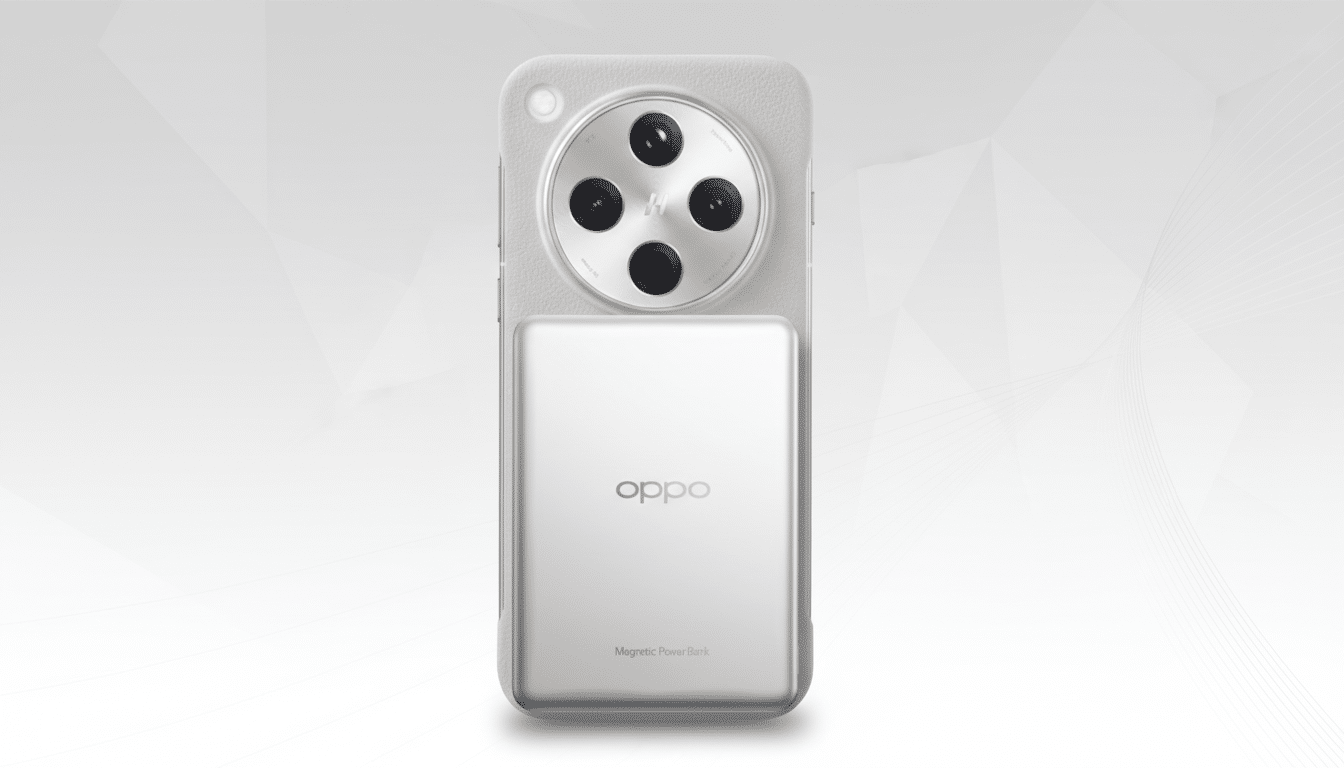
- Second, travel-friendly magnetic battery packs could become a staple for OPPO owners, mirroring a use case iPhone users already enjoy.
- Third, car mounts could get simpler and sturdier—no metal plates or adhesive patches required.
There are also design implications. A magnet ring can influence camera island layout, coil placement, and back-panel materials. Rumors already point to the Find X10 experimenting with a distinctive camera sensor format, and integrating magnets would demand careful space management to keep weight and thickness in check.
Competitive Landscape for Qi2-Ready Android Flagships
While Apple normalized magnets on phones, Android adoption has been piecemeal. Some brands lean on magnetized cases; others quietly test Qi2 accessories without committing to built-in rings. If OPPO moves first among major Android players with a mainstream, magnet-equipped flagship, it could enjoy a meaningful usability edge and a halo effect across its premium lineup.
Notably, chatter around other top-tier Android flagships suggests some are cautious about magnets, creating an opening for OPPO to differentiate. With Qi2 momentum growing on the accessory side, the first Android vendor to go all-in at scale stands to benefit most from a ready ecosystem.
Bottom Line on OPPO’s Rumored Magnetic Charging Plans
The “magnetic closure” hint is far from definitive, but it aligns with where the market is heading and with OPPO’s history of charging innovation. If the Find X10 debuts with integrated magnets and Qi2 alignment, OPPO users would gain easier charging, cooler thermals, and a flood of snap-on accessories. Keep an eye on certification databases, case maker leaks, and further Weibo posts for clearer evidence as development progresses.
