


OpenAI’s first foray into consumer hardware is coming into focus, with a new leak pointing to earbuds dubbed Dime and a pragmatic shift in strategy. Rather than debuting an ultra-ambitious “ear computer,” the company is now expected to lead with a more conventional, audio‑centric model and push a compute-heavy version to a later date.
Leak Points To Dime Branding And Phased Hardware Plan
A tip from well-known gadget watcher Smart Pikachu on X claims a recent patent filing tied to OpenAI in China references the Dime name, suggesting branding is locked and a reveal could be near. More telling is the alleged pivot: sources indicate OpenAI will ship a simpler pair of earbuds first and delay a more advanced design once rumored to carry internals with a bill of materials closer to a smartphone than a typical audio product.
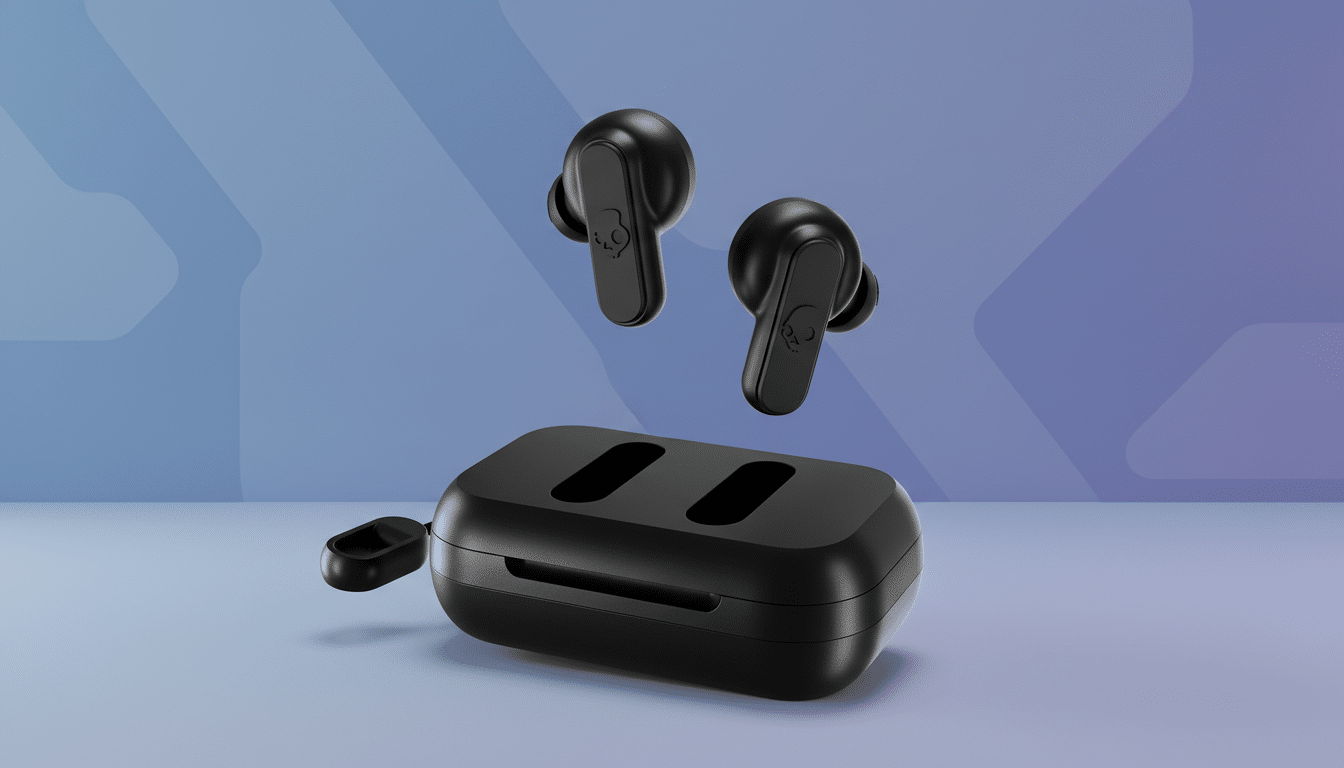
Earlier chatter framed the premium version as “phone-like,” implying local compute, expanded memory, and sensors beyond what standard true wireless earbuds include. The latest signal, however, is that this top-tier configuration is being pushed further out, with timelines discussed beyond 2026, while a mainstream model comes to market sooner to establish a foothold.
Rising Memory Costs Force A Strategic Rethink
The reported change tracks with macro component pressures. Memory is the most obvious pinch point: industry analysts at TrendForce have tracked double‑digit DRAM price increases across multiple quarters, while high-bandwidth memory capacity remained effectively sold out as AI training demand surged. When memory is tight and expensive, every extra gigabyte in a compact device balloons the BOM.
That dynamic is particularly ironic for an AI-first product, since the sector’s hunger for GPUs and HBM has helped drive the very cost inflation now complicating ambitious on-device AI concepts. For a first-generation wearable, paring back local compute and leaning more on the cloud is the cost-savvy move.
What A Simpler First Model Might Deliver
A “basic first” Dime likely centers on high-quality audio, beamforming microphones, and low-latency voice interactions with OpenAI models via the phone. Expect wake-word access, contextual responses, and features like live translation or voice notes that process in the cloud—capabilities already familiar to users of modern assistants, but tuned to OpenAI’s strengths in conversational AI.
By avoiding a smartphone‑class SoC and large local memory, OpenAI can keep size, heat, and cost in check. That also leaves room for a second act when memory pricing and supply ease, enabling the more ambitious “ear computer” vision with richer on-device inference, faster offline tasks, and potentially privacy gains from less data leaving the device.
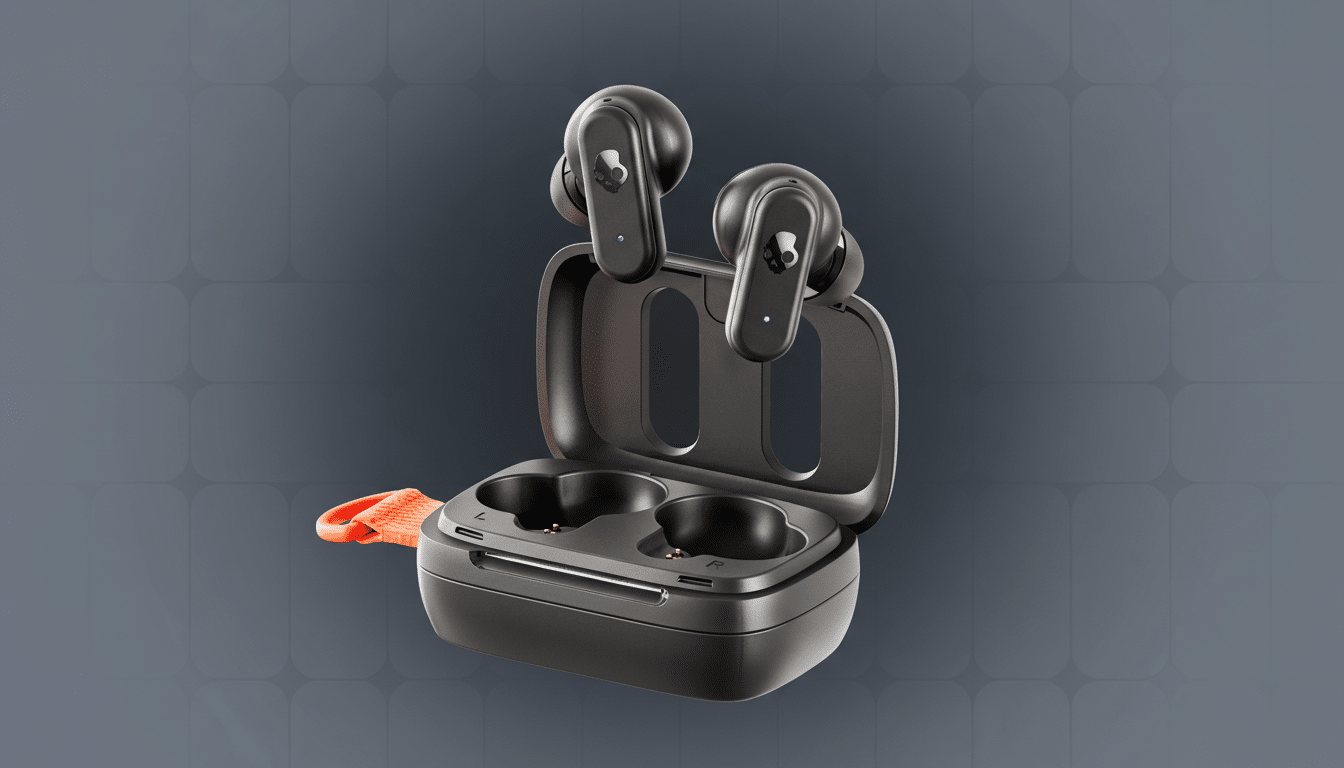
Competitive Stakes In The TWS And AI Audio Market
The timing matters. True wireless earbuds remain one of consumer tech’s most resilient categories, with Counterpoint Research estimating well over 300 million units shipped globally in 2023. Apple continues to lead with a sizable share, while Samsung, Xiaomi, and budget challengers compete aggressively on features and price.
AI is fast becoming the differentiator. Apple has leaned into Adaptive Audio and tighter Siri integration; Samsung is weaving Galaxy AI across devices; and Meta’s Ray‑Ban glasses show how ambient AI can feel natural in wearables. At the same time, the missteps of early “AI gadgets” like the Humane Ai Pin and the Rabbit R1 underscore why careful scoping and dependable basics—battery life, connectivity, comfort—are essential before pushing experimental interfaces.
If OpenAI nails responsiveness and voice UX in a dependable, mainstream set of buds, it can gather real‑world usage data, iterate quickly, and prepare users for a future model with deeper local capabilities. That stair‑step approach is classic hardware playbook in a crowded market with unforgiving expectations.
What To Watch Next As OpenAI’s Dime Earbuds Near Launch
Watch for additional filings across major jurisdictions, Bluetooth SIG and regulatory certifications, and supply chain chatter that hints at driver configurations, battery sizes, and mic arrays. Pricing will be a tell: a premium sticker could signal advanced sensors or materials, while a mainstream price suggests a focus on software experience over exotic hardware.
For now, the contours are clear: Dime appears real, the first iteration is likely simpler than early whispers suggested, and a more capable, compute‑rich version waits in the wings. In a memory‑constrained era, that looks less like a retreat and more like a pragmatic route to making AI in your ears feel ready for everyday life.
