


OnePlus is reportedly exploring a dedicated Android gaming handheld, according to a new leak from Digital Chat Station. The device is said to prioritize first-person shooters and high-refresh mobile play, potentially signaling the biggest push yet by a mainstream Android brand into the handheld console boom kicked off by the Steam Deck and followed by a wave of rivals.
What the OnePlus handheld leak suggests so far
The Weibo tipster claims a major phone maker—widely interpreted as OnePlus—has a handheld in development that breaks from the usual joystick-and-button formula. Instead, the design reportedly leans on advanced multi-finger touch input, high refresh rates, and aggressive performance scheduling borrowed from OnePlus phones, with an emphasis on FPS titles.
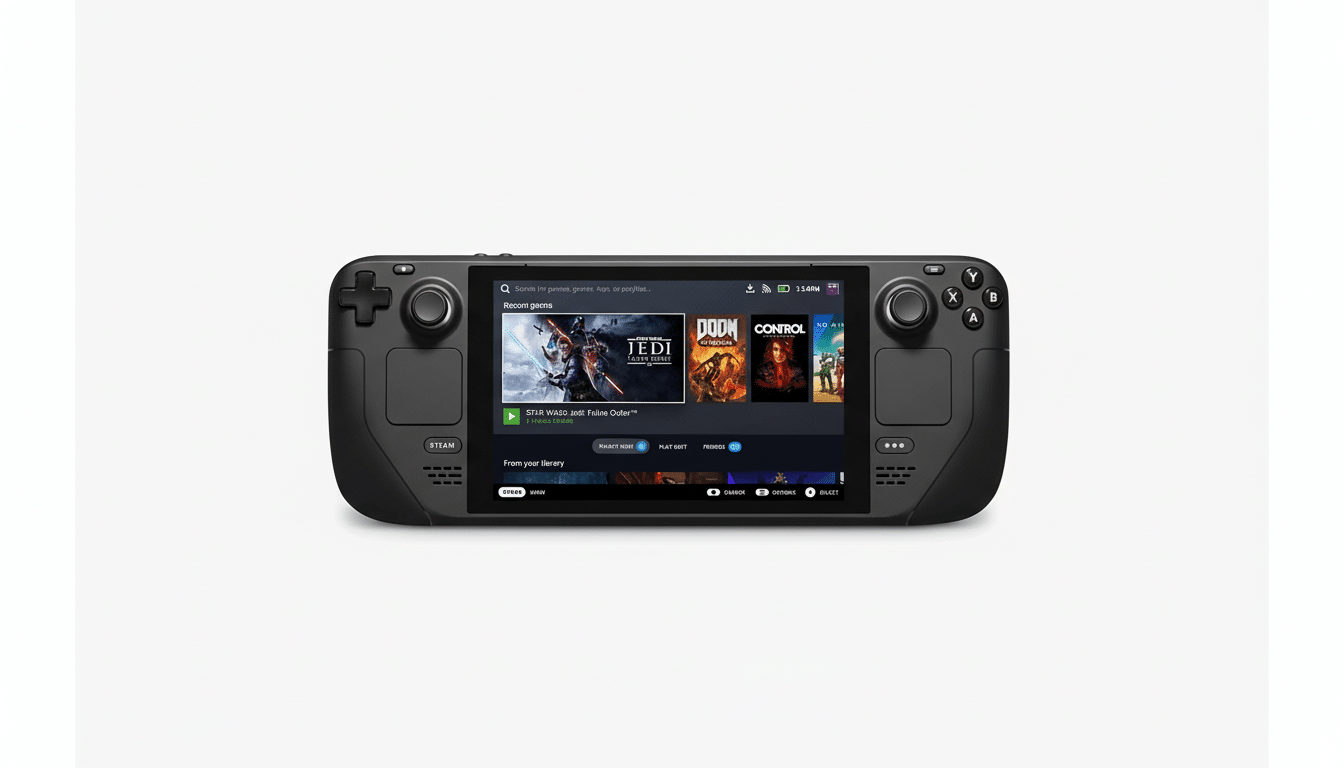
That approach would be unusual in a category dominated by stick-equipped devices like the Asus ROG Ally and Lenovo Legion Go (both Windows-based) or the Android-focused Razer Edge. A touch-first handheld could blur the line between phone and console, but it also plays to OnePlus’s strengths: fast OLED displays, low touch latency, and software optimizations such as HyperBoost-style frame stabilization.
Official confirmation is absent, so treat the report as early-stage intel. Supply chain chatter often surfaces long before a company decides on mass production or global rollout.
Why an Android gaming handheld fits OnePlus now
OnePlus has quietly built a reputation for gamer-friendly hardware, from 120Hz–144Hz displays to sustained performance tuning and strong thermal designs in its flagships. In China, recent models like the Turbo 6 and Turbo 6V doubled down on gaming features despite using sub-flagship chips, signaling a broader strategy to court mobile players with tight control over heat, frame pacing, and touch response.
Crucially, the audience is there. data.ai’s industry analyses have shown mobile gaming spend rebounding above $100B annually, with shooters among the most played genres worldwide. An Android handheld that refines controls for touch-based FPS could give players a purpose-built device for titles like Call of Duty: Mobile, Apex Legends Mobile’s spiritual successors, or popular emulation use cases—without the friction of controller attachments.
What to expect if the OnePlus Android handheld ships
Chipset choices will be pivotal. Qualcomm’s Snapdragon 8-series has proven its mettle in phones, while the Snapdragon G3x platform was built expressly for Android handhelds. Either path could deliver flagship-class performance, especially paired with LPDDR5X RAM, UFS 4.0 storage, and advanced thermal solutions such as vapor chambers or dual-fan cooling.
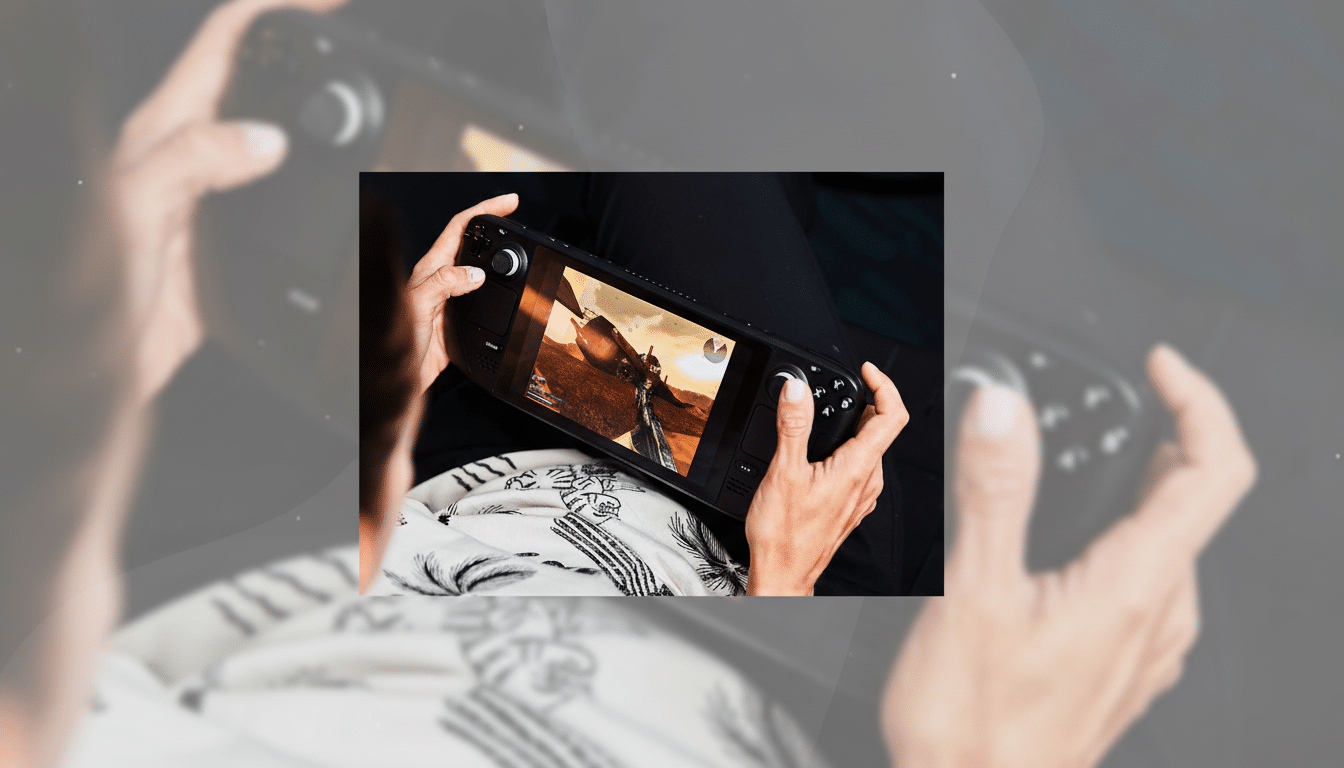
Display-wise, a 120Hz–144Hz OLED or high-grade LCD in the 6.5–8-inch range seems plausible to balance portability and immersion. A touch-first design might integrate shoulder-sensitive areas, ultrasonic triggers, or customizable haptics to emulate the precision of physical controls. Expect large batteries (5,000–7,000mAh), ultra-fast charging—an area where OnePlus is a leader—and Wi-Fi 7 for low-latency multiplayer. Optional 5G could position the device as a cloud gaming powerhouse for services that support Android clients.
Software will make or break the experience. A console-style launcher, per-game performance profiles, advanced touch remapping, and native support for popular emulators and storefronts would be table stakes. Partnerships with game studios to optimize UI targets and touch layouts for a fixed display could separate a OnePlus handheld from “just use a phone with a controller” solutions.
Global availability for a OnePlus handheld remains uncertain
Even if development is underway, launch geography is uncertain. The brand has navigated patent disputes and market turbulence in parts of Europe, which could complicate a broad rollout. Android handhelds also remain niche outside North America and parts of Asia, where cloud gaming and robust Wi-Fi infrastructure are more mature.
Pricing will be delicate. Android competitors have landed between $299 and $399, while Windows handhelds often start closer to $599. OnePlus would need to balance premium specs with an approachable entry point to lure gamers who already own a recent OnePlus phone—or a Backbone-style controller.
The bigger picture for Android gaming and emulation
A OnePlus handheld would bring fresh momentum to Android gaming hardware, a segment still overshadowed by PC-based portables. It could also nudge developers to ship higher frame rate modes, richer touch schemes, and better controller support on Android. And for the enthusiast community, a credible new device could turbocharge interest in emulation front-ends and performance-tuned ROMs—areas where Android already shines.
For now, the rumor paints a picture of a bold, touch-first take on the handheld. If OnePlus pulls it off, it might redefine what an Android console looks like—leaner than a Windows portable, more focused than a phone, and finally built around the way millions actually play.
