


The OnePlus 15R had seemed like a spec-sheet slam dunk: a 165Hz display, an otherworldly 7,400mAh battery, IP68 and IP69 ruggedization, and Qualcomm’s latest Snapdragon 8 Gen 5. But after putting it through the wringer, it turns out to be less a tale of power and more one of mysterious trade-offs. With its leaping price point, questionable design choices, and uninspired software, this is the first R model in years that’s proving hard to recommend.
Previous R series phones were value leaders. And the 12R topped $500, the 13R $600. The 15R comes in at $700, missing the feature completeness customers will demand at this price point. And for a series that’s so much about smart compromises, this is one in the worst places.
- Design and the Plus Key problem on the OnePlus 15R
- Glossy 165Hz, for those who accept the wrong trade-off
- Performance and battery, they both are strong
- Charging limits and lack of wireless hold it back
- Cameras take a step back in low light and detail
- OxygenOS 16 feels heavier and less confident overall
- Value check and alternatives worth considering now
- Verdict: where the OnePlus 15R went wrong this year
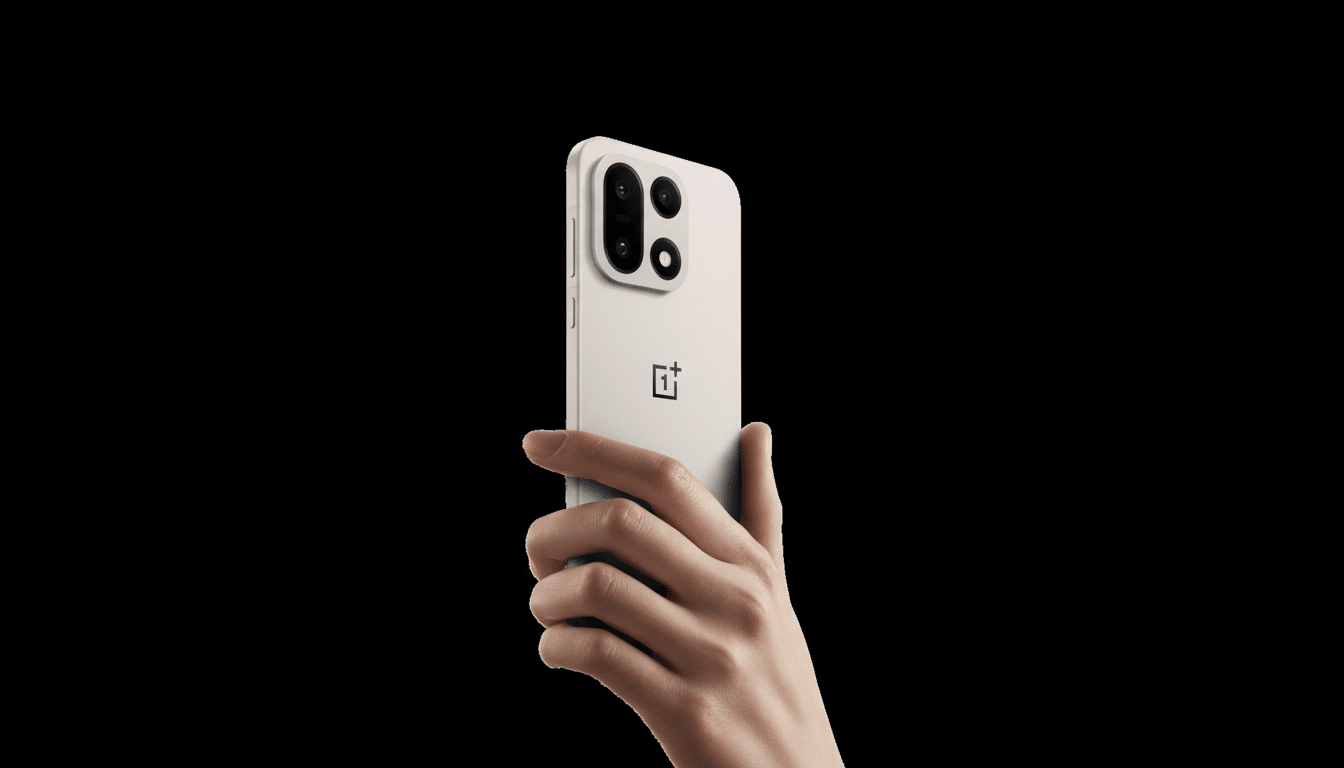
Design and the Plus Key problem on the OnePlus 15R
OnePlus gets the first impression right: the aluminum frame feels high-end, the frosted glass doesn’t show smudges, and there’s a rare rating of IP69K for high-pressure water jets and IP68. That’s elite level for a non-ultra device.
But the much-loved alert slider is gone — replaced by the “Plus Key.” Theoretically, it’s an upgrade to have a button that can be programmed; in reality, it is limited. You have only a few system functions at your disposal, no custom app shortcuts, and just one long-press action. Advanced users are also looking for multi-gesture options and granular control. In practice it is less capable than the replaced slider and less versatile than rival “action” buttons.
Glossy 165Hz, for those who accept the wrong trade-off
The 165Hz panel that made headlines is exactly the sort of big number that rarely matters. It’s supported in only some Android games, and more often than not you’re living below 120Hz. Even more worrying is the panel tech shift from LTPO (on the 13R) to LTPS that bumps up the refresh floor minimum to 60Hz.
That means it’s not possible to throttle down the screen to 1Hz for static content (like the always-on display), increasing power draw while reading and when in standby. To be sure, display experts like DisplayMate have long pointed out LTPO’s efficiency benefits at low refresh rates. The 15R simply should have dominated on the two most useful features the phone can deliver – everyday battery life and refresh rate. This is a win, not a lose situation for OnePlus.
Performance and battery, they both are strong
The Snapdragon 8 Gen 5 does so. The UI is very fluid, the heavy apps load quickly, and even sustained gaming is consistently good without harsh throttling. In tests, the 15R ran cooler than other flagship siblings, which means fewer hot spots during multiple hours of play.
Battery life is the killer feature.
The 7,400mAh silicon-carbon pack is a solidly multi-day proposition. Mixed use, hours of social scrolling, streaming, and a little gaming thrown in for good measure are why going more than 48 hours was typical and flirting with 60 hours wasn’t uncommon at all. If you’re looking for long battery life, the 15R is one of the industry’s standout models for mainstream phones sold in North America.
Charging limits and lack of wireless hold it back
There’s a catch. Though the phone’s capable of 80W wired charging, those in North America effectively max out at 55W with the brick included in the box because we don’t have access to a higher-wattage plug. Speeds are good for a battery this size, but not class-leading.
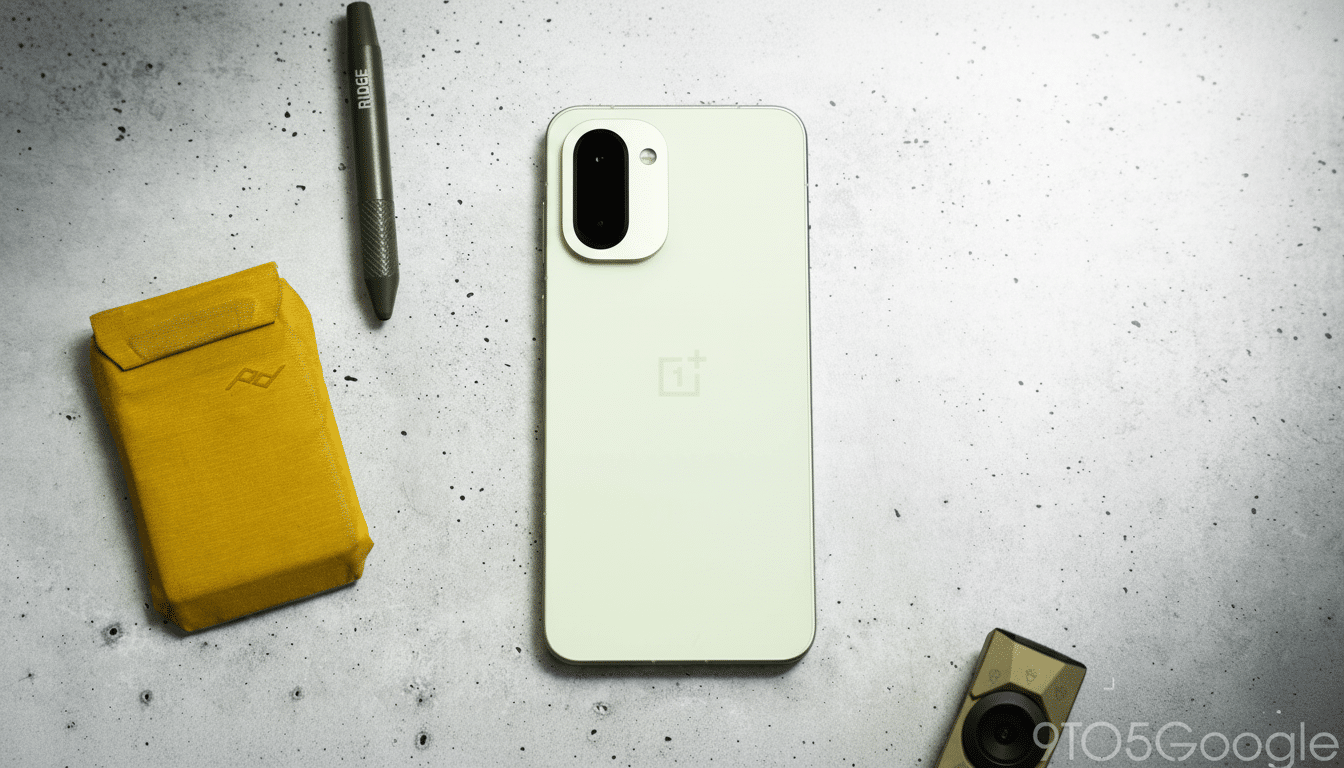
More problematic, still, is the missing $700 wireless charging. When Qi2 is taking off through the Wireless Power Consortium and mid-tier rivals are getting in on this cable-free charisma of giving, the ongoing absence without comment from OnePlus is difficult to support. Wireless is no longer a luxury at this price; it’s table stakes.
Cameras take a step back in low light and detail
The biggest hardware disappointment on the 15R is found in its camera. The main 50MP has shifted to Sony’s IMX906 from the LYT-700 used before, and low-light performance takes a hit. Focus hunting is often an issue, noise creeps in early, and exposure can swing wildly in dim bars and restaurants — where modern smartphones need to particularly shine.
The 8MP ultrawide is soft, with edge distortion aplenty and a significant drop in quality when the light starts to fail. This time there is no telephoto camera, and the 2x default mode is nothing but a crop. Then with a 32MP selfie system, it all sounds like another epic added-value offering by Samsung but is poor when motion and consistent image strategy are put to the test. Video goes up to 4K120, though low-light clips inherit the same constraints. Against the scores we’ve seen of late from labs like DxOMark for competing mid-range phones, the 15R’s imaging stack feels a generation out-of-date.
OxygenOS 16 feels heavier and less confident overall
OxygenOS was the enthusiast’s answer for speed and simplicity. Version 16 applies a glossy finish to visual elements, adopts some iOS-like ditties (notably in the app drawer and status area), slows things down with more ponderous animations that give the impression of sluggishness beyond its silicon, and comes across overall as an update significantly less focused than one would hope. The Plus Key settings are essentially an action-button control page without any depth.
Update support is another flimsy flank: four Android versions and six years of security patches. “That has long been a selling point that you know for x dollars, we’re going to guarantee, it’s not support, but in essence be two years until the next update is available,” she says — adding that when Google and Samsung are providing seven years of updates across the board with recent flagships, even a $700 phone on shorter coverage looks instantly outdated: something consumer advocates and enterprise IT teams alike increasingly raise as an incestuous factor.
Value check and alternatives worth considering now
The internal competition is tough. The $600 OnePlus 13R arrives with LTPO, improved cameras for the price, and great battery life. Step back up and the OnePlus 13 offers wireless charging, improved imaging, and an extended polish. Outside the brand, Samsung’s Galaxy S25 FE undercuts and matches the 15R with seven years of updates as part of a package that’s more well-rounded, and Google’s newest Pixel has better low-light camera results and cleaner software.
Verdict: where the OnePlus 15R went wrong this year
The 15R isn’t a bad phone but it is definitely a confused one. OnePlus punched up that refresh rate, traded the alert slider for a hollowed-out button, and skimped on wireless charging and camera capability — as well as price. Performance and battery life are great, durability is best in class, but the day-to-day-living-with-it experience — photos where a little light should shine through (pun intended), nuanced software, easy charging — kind of disappoints for what you’re paying.
If you were a fan of the R series for its smart value proposition, this model shakes up the formula. The answer isn’t 165Hz or a square lobe-side button, it’s restoring harmony: LTPO efficiency, modern cameras you can trust at night, cable-free charging, and cleaner OxygenOS with competitive long-term support. The 15R is, for now at least, a detour rather than the no-brainer upgrade R fans had been waiting for.
