


The first official OnePlus 15 camera samples are here, and they promise a significant telephoto upgrade that many mobile photographers have been hoping for. Watermarks on the images posted by the company’s official Weibo account point to an 85mm equivalent focal length (which works out as about a 3.7x optical zoom), plus an f/2.8 aperture label on some of those frames. That combination indicates that OnePlus is abandoning the 3x (70mm) setup in the previous model for a longer, more friendly-for-portraits reach.
What the samples actually show in the metadata
Brand-curated photos are always carefully chosen, but the metadata baked into these shots is what’s really newsworthy. The 85mm watermark aligns to a 3.7x tele module, assuming about a 23mm-ish main camera baseline — typical for recent OnePlus flagships. Some samples also indicate f/2.8 for the tele, one frame is with at least f/9.0, most probably a software-created depth simulation or EXIF behavior instead of an actual iris modification.
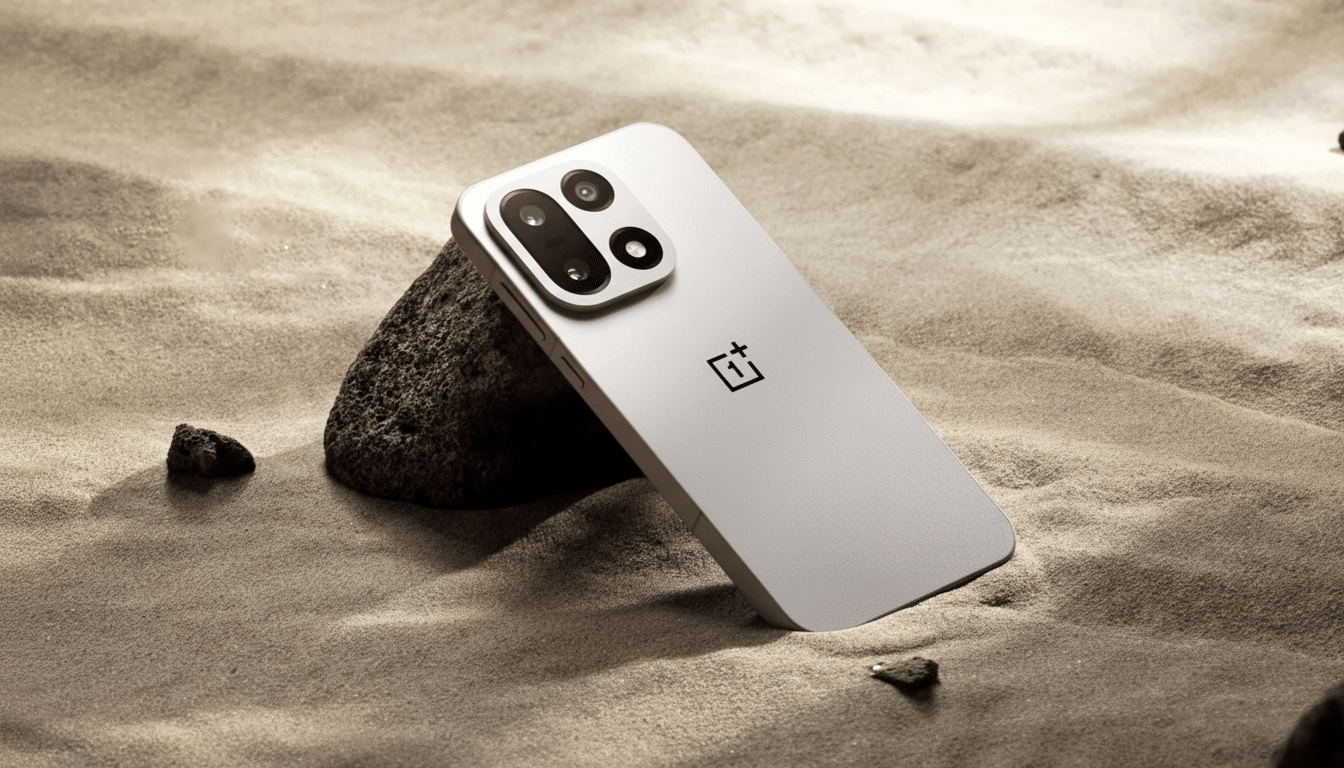
The bottom line is simple: It looks as though OnePlus has pushed its optical boundaries without leaping to the 5x club. Nous voilà dans une sorte de juste milieu qui fait du télé de cet iPhone un objectif outil pour les portraits en conditions réelles, le détail en rue ou les voyageurs pressés sur lesquels 3x est parfois court et 5x vraiment serré.
Why 85mm is a welcome lift for portrait shooters
Photographers have long loved 85mm primes for portraiture because they compress perspective, minimize facial distortion, and produce a good separation between the subject and their background thanks to nice bokeh. An increase from 70mm to 85mm might not seem like much on paper, but in practice it’s the difference between an acceptable portrait and one that feels genuinely considered. It also means less cropping to achieve the classic half-body composition and fewer steps toward your subject to fill the frame.
The samples themselves exhibit a reassuringly high level of color consistency between the main and tele modules — a weak point in many competitor phones. OnePlus’s ongoing work with Hasselblad has brought gradual gains in white balance and tonal consistency across lenses, and early indications are that those gains carry through here too.
Aperture and sensor trade-off to watch in this setup
An f/2.8 telephoto would be confirmed, and a hair dimmer than the predecessor’s f/2.6; industry chatter has suggested that the tele module might have a slightly smaller sensor. On paper, that could indicate increased dependence on multi-frame processing in low light for noise control and detail preservation. The good part is: Modern tele stacks pair optics with complex HDR fusion, and OnePlus’s last couple of flagships have relied heavily on multi-exposure pipelines to keep sharpness together at those longer focal lengths.

In other words, the move to 3.7x cannot be considered in isolation. If OnePlus further cleans up its texture rendering and color mapping (a reminder that these points of performance are often scrutinized by reviewers from independent labs like DXOMARK and publications such as GSMArena when it comes to tele modules), the net result could be better portraits and crisper mid-range zoom, albeit with a modest reduction in pure light intake.
How it stacks up against rivals at 3.7x zoom
Apple, Samsung, and Google’s flagships all share a 5x periscope for their longest lens, along with apertures that tend to settle somewhere around f/2.8–f/3.5. The systems are great for distant subjects, but can feel narrow for everyday portraits. In going with 3.7x, OnePlus is staking out a practical middle ground: Greater reach than 3x while still saving users from the tighter frame that comes when using 5x.
The real question will be hybrid performance at 7x to 10x, where phones combine optical data with AI upscaling. Once the 85mm base is sharp and the image pipeline is balanced to avoid loss of micro-contrast, your results in that range will be cleaner than you can get out of a 3x-class system. It’s not going to be a substitute for a 5x or 10x when it comes to wildlife, but — as with its size and weight — the zoom could prove the sweet spot for concerts, cityscapes, and detail shots when traveling.
Early verdict from the samples and what to expect
These early images imply OnePlus might not ignore portrait shooters asking for more reach and subject separation. The headline is the 85mm guide, but the subtler win here is color continuity among lenses — using different focal lengths no longer makes a multi-camera shoot look cobbled together.
As always, independent testing will reveal the full story — particularly in low light and at hybrid zoom levels where software does most of the heavy lifting. If production hardware is as good as these samples suggest it could be, then the OnePlus 15’s telephoto will be the most usable mid-zoom we’ve ever seen from the brand — a solitary skerrick of much-needed good news for anyone living in the portrait lane.
