


Oil prices fell sharply on Nov. 2 as indications of continuing U.S.-Iran diplomatic contacts prompted traders to reduce the premium they had assigned to possible Middle East supply disruptions. Brent crude settled at $104.77 a barrel, down $8.66 or 7.63%, while West Texas Intermediate settled at $96.46, down $7.66 or 7.36%, according to a Reuters market report republished by Global Banking & Finance.
The move illustrates how quickly crude benchmarks can respond to changes in perceived geopolitical risk, even without a signed agreement or confirmed direct negotiations. Reports pointed to mediation and exchanges of proposals involving Washington, Tehran and Qatar, but no diplomatic breakthrough was announced. The details of a reported U.S. outreach to Iran also remained contested, leaving the price decline dependent on a fragile shift in expectations rather than a settled change in supply conditions.
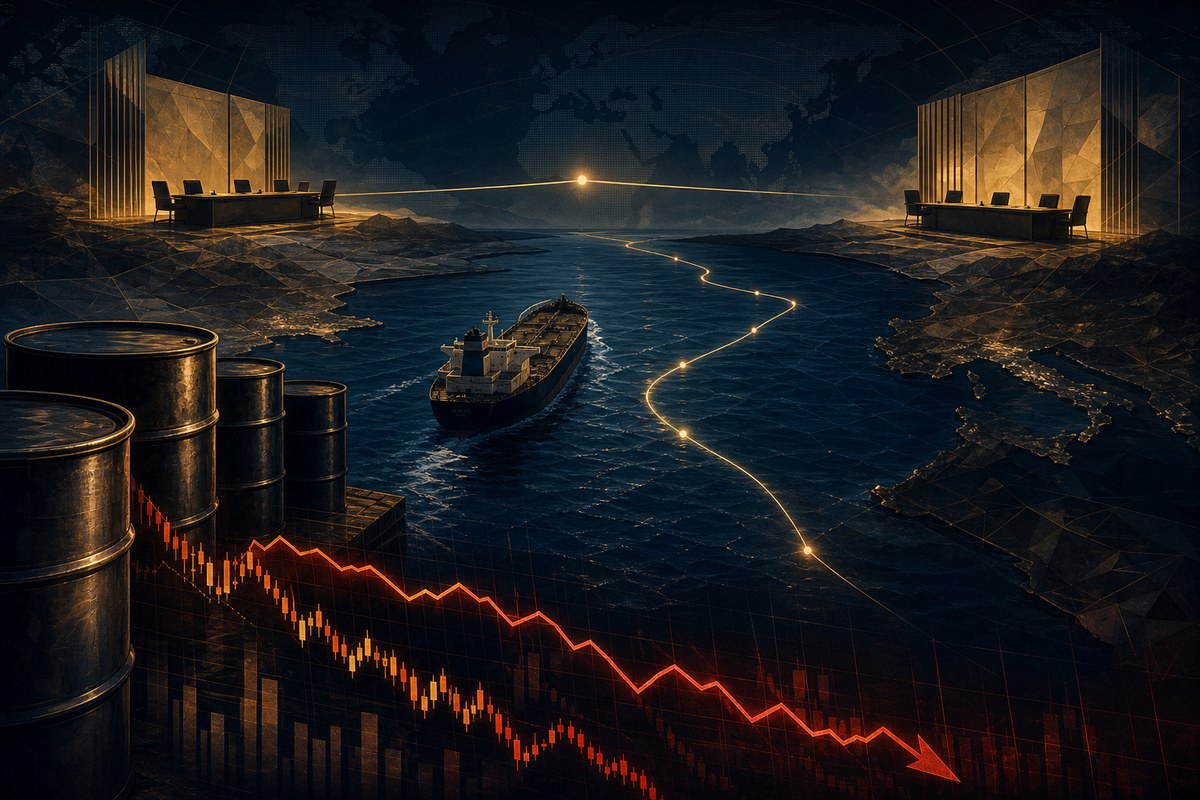
Early losses became a full-session selloff
Reports of the day’s decline initially described a considerably smaller move. At 0635 GMT, January Brent futures were down 2.97% from the previous close at $110.05 a barrel, while December WTI futures were off 3.28% at $100.71, according to Anadolu Ajansı.
Later trading brought a much steeper retreat. Yahoo Finance, reporting on Nov. 2, said Brent was down about 7.9% and trading below $105, while WTI was down about 7.5% near $96. The Reuters-reported settlement figures place both contracts at losses of more than 7% for the day.
The differing percentages are therefore a matter of timing, not competing closing records. Early futures quotes captured the market’s initial response to reports of contacts; settlement figures reflected a broader repricing as the session continued. For companies that hedge fuel costs or budget against benchmark crude, the distinction is material: an intraday headline can signal the direction of risk, but the settlement determines the day’s marked-to-market change.
Diplomatic reports reduced the perceived supply-risk premium
The market reaction was tied to the prospect that a confrontation involving Iran could become less likely to interrupt regional production, exports or shipping. Such risk is embedded in crude prices not as a forecast that every barrel will be lost, but as an insurance-like premium paid by buyers and traders against a disruption that could be sudden and hard to replace.
Iranian Foreign Minister Abbas Araghchi said consultations through intermediaries were highly active and that Iran had conveyed conditions and proposals, Yahoo Finance reported. Reuters also reported that Qatari mediators had developed proposal language. Those accounts supported expectations of continued engagement, but neither established a final accord nor confirmed the start of direct U.S.-Iran negotiations.
One of the most consequential details in circulation — whether Vice President JD Vance sent a letter to Mohsen Rezaei, secretary of Iran’s Supreme National Security Council — could not be independently treated as settled. Anadolu Ajansı cited Wall Street Journal reporting that the outreach was meant to revive peace negotiations. President Donald Trump denied that characterization, saying Vance had helped facilitate medical-supply deliveries, while an Iranian security source disputed accounts of the letter’s content and said Tehran had not responded.
That unresolved account is important because the market’s response did not require proof of a formal negotiating channel. Traders can lower prices when they judge the chance of escalation to have declined. But the same logic works in reverse: if mediation stalls, military risks rise, or transport routes appear threatened, the risk premium that disappeared during the selloff can return quickly.
OPEC+ restraint provided a counterweight
Diplomacy was not the only factor bearing on prices. Anadolu Ajansı reported that seven OPEC+ members agreed to maintain September production levels in December, a restraint that it said limited the decline. Holding output steady would not eliminate the effect of easing geopolitical fears, but it can reduce the prospect of an additional supply increase arriving while demand and regional-risk assumptions are being reassessed.
The interaction highlights two separate mechanisms in the oil market. Diplomatic optimism affects the price attached to possible near-term supply outages. OPEC+ policy affects the expected physical balance of supply and demand over the coming months. The Nov. 2 selloff suggests the first mechanism dominated trading, while the producer group’s decision offered support against an even larger fall.
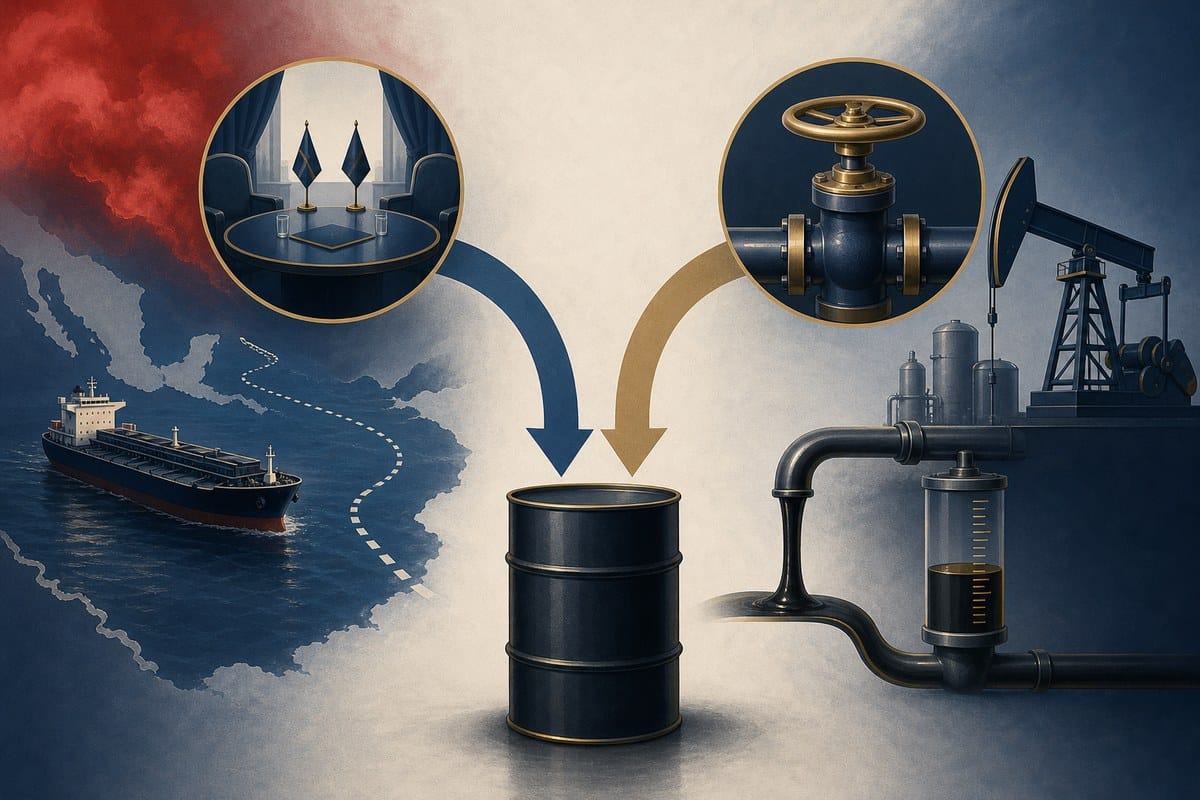
Markets had already shown sensitivity to reports of possible U.S.-Iran de-escalation. On Oct. 29, CNBC Africa reported that oil prices had fallen after earlier accounts of renewed peace efforts. The Nov. 2 settlement extended that pattern, but with a larger move as diplomatic signals accumulated.
For now, the pricing message is narrower than a verdict on the conflict: traders judged an immediate, severe interruption to Middle Eastern crude flows less likely than they had before the reports emerged. With no confirmed settlement and disputed accounts surrounding the reported outreach, that judgment remains vulnerable to the next diplomatic or military development.

