


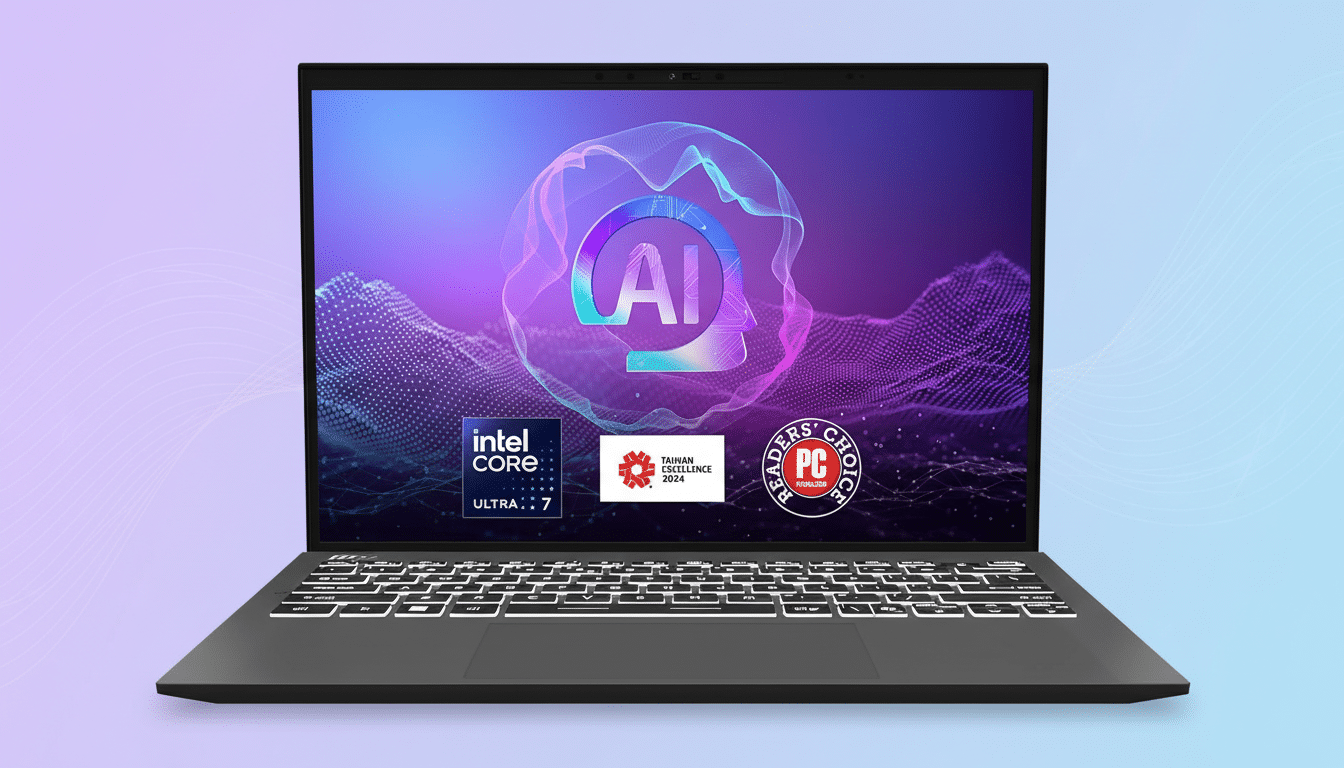
I went to CES expecting Dell or Lenovo to walk away with the lightest serious work laptop. Instead, the most ultraportable machine I handled came from MSI, a brand better known for monster gaming rigs. The Prestige 13 AI Plus undercut the usual suspects on weight, packed a standard OLED display, and did it without the gamer flair that once defined MSI’s design language.
At under 2 pounds and built from clean, all-metal panels, this clamshell felt purpose-built for consultants, journalists, and anyone who travels more than they dock. It is part of a wider push from MSI, which also introduced 14 and 16-inch Prestige models and more accessible Modern series laptops, all shifting decisively toward pro-minded ultraportables.
Why This MSI Outruns Dell And Lenovo On Portability
The Prestige 13 AI Plus weighs just 1.98 pounds (about 899 grams). For context, recent Dell XPS 13 designs land around 2.6 pounds, while Lenovo’s ThinkPad X1 Carbon hovers near 2.5 pounds depending on configuration. Apple’s 13-inch MacBook Air is 2.7 pounds. Dropping below the 2-pound barrier matters: it’s the difference you feel at the end of a cross-country day when your shoulder is deciding whether to forgive you.
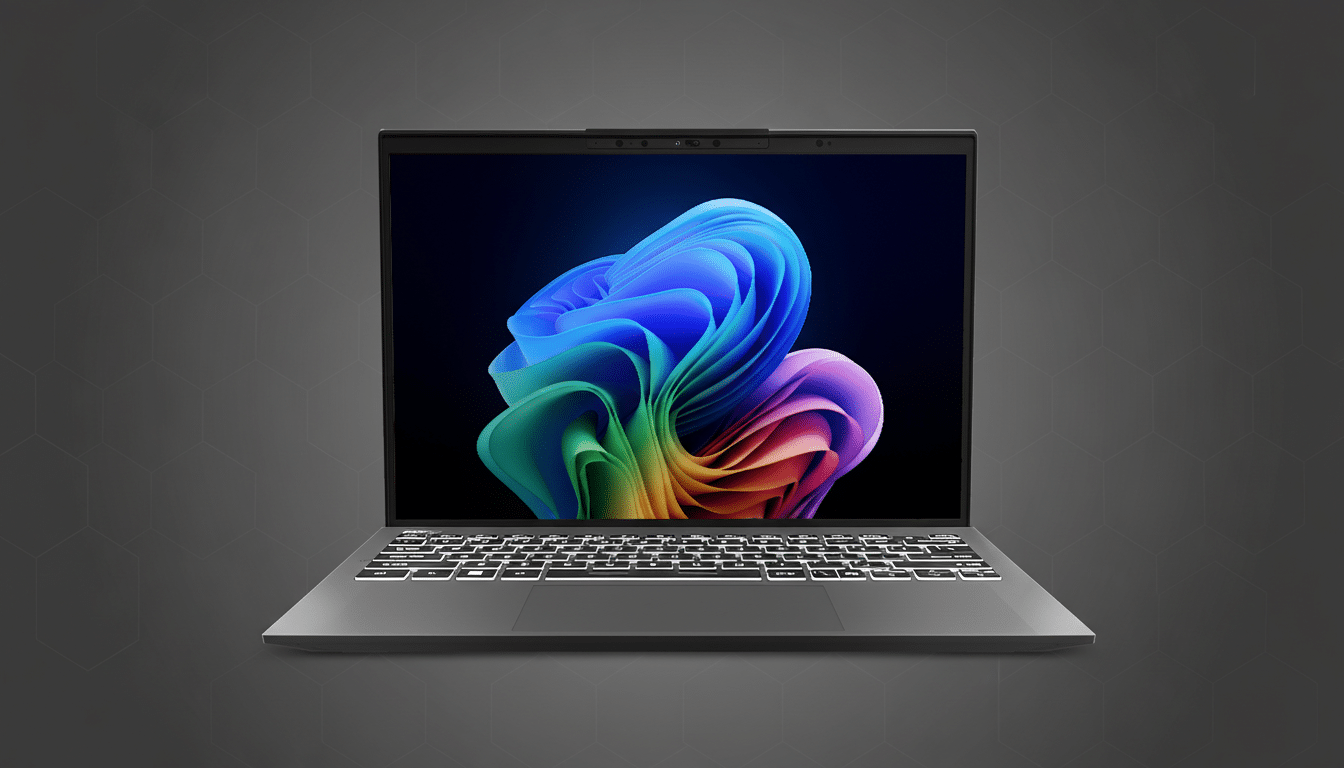
Despite the featherweight, it didn’t feel flimsy. The chassis resisted torsion when I lifted a corner, the hinge moved with clean damping, and the deck showed minimal flex under typing. MSI’s minimalist aesthetic—subtle logo, neutral silver finish, large glass trackpad—lands squarely in the “pro” camp and distances the brand from its dragon-emblazoned past.
Specs That Matter Beyond The Scale For Real Work
MSI equips the Prestige 13 AI Plus with Intel’s Core Ultra Series 3 “Panther Lake” chips, the company’s next wave of silicon designed to push AI-assisted tasks alongside everyday productivity. Paired with up to 64GB of LPDDR5x dual-channel memory, the 13-inch model is unusually configurable for its size class—useful for developers juggling containers, creators editing short-form video, or researchers living in too many browser tabs.
The display is a standout: a 2.8K OLED panel that looked crisp and punchy in person, with the kind of inky contrast that flattens most IPS competitors. MSI’s larger Prestige 16 moves to a 2.8K OLED with a 120Hz variable refresh rate, while the 14-inch Prestige ships with a FHD+ screen at up to 60Hz. All include generous trackpads and low-profile keyboards that felt consistent edge to edge.
Thermals are the perennial trade-off in sub-2-pound laptops. In short stress bursts, the Prestige 13 AI Plus maintained responsiveness without ramping fans aggressively during my hands-on. Sustained loads will be the real exam, but the responsiveness suggests MSI is balancing power limits conservatively—wise for an ultraportable that prioritizes mobility over raw sustained throughput.
Battery Life Claims And Real-World Expectations
MSI quotes up to 19 hours of video playback from a 75Wh battery on the Prestige 13 AI Plus. Vendors measure these loops under controlled conditions, often at lower brightness, so realistic mixed-use figures will be lower. Based on recent OLED ultraportables with comparable capacity, 10 to 12 hours of everyday work—Wi-Fi on, dozens of tabs, Slack, and light photo edits—feels plausible. Independent labs like Notebookcheck routinely find OLED machines landing in that range when tuned for efficiency.
Convertible Options And Pen Input For Creators
MSI is also offering “Flip” 2-in-1 variants in 14 and 16 inches with similar internals. The larger model keeps the more premium 2.8K 120Hz OLED, while the 14-inch Flip targets a lighter, more mainstream spec. Both include the Nano Pen stylus, which magnetically docks along the rear edge. The writing experience during my brief test was smooth with good palm rejection—fine for annotation and sketching, even if artists will still want higher-pressure digitizers.
Modern Series Broadens The Field For Budget Buyers
For buyers who don’t need maxed-out RAM or the flashiest display, MSI’s Modern 14S and 16S AI Plus models strike a practical balance. They use Intel Core Ultra 7 Series 3 chips, start with 16GB of memory (up to 32GB), and keep the weight impressively low—about 2.8 pounds on the 14-inch with thickness as slim as 0.43 inches. MSI indicated a starting price around $1,099 for the Modern line, positioning it against mainstream business machines from HP, Acer, and Asus.
What This Means For Ultraportable Laptops
MSI’s pivot into sober, travel-first hardware looks timely. Analyst firms such as IDC have tracked sustained demand for thin-and-light notebooks as hybrid work normalizes, with premium features like OLED and higher-refresh displays moving downmarket. Against that backdrop, a sub-2-pound clamshell with serious memory headroom, current-gen Intel silicon, and a restrained aesthetic isn’t just a spec victory—it’s a signal that MSI intends to compete directly with the stalwarts in business and prosumer segments.
The surprise isn’t only that the lightest pro laptop I tested wasn’t from Dell or Lenovo. It’s that MSI delivered the most convincing argument for what the next wave of ultraportables should feel like: genuinely portable, thoughtfully specced, and designed to disappear in your bag until the moment you need it.
