


If this is the future of Windows laptops in 2026, count me optimistic. MSI’s new series Prestige AI+ and Modern AI+ suggest we may be moving towards machines that don’t weigh anything, last all day and still hit the performance notes professionals expect. The key news is the combo of Intel’s latest Core Ultra Series 3 “Panther Lake” chips and mainstream OLED displays that make up much of the line, but the whole adds up to a new chapter, feeling page-turning on these notebooks.
Power in Ultralight MSI Prestige AI+ Laptops
The Prestige AI+ family comes in 13-, 14- and 16-inch sizes (also as convertibles) and kicks off strong with an eye-catcher: a 13-inch model that weighs just 1.98 pounds.
- Power in Ultralight MSI Prestige AI+ Laptops
- Premium-feel displays and inputs across the Prestige line
- Convertible options for creators with Nano Pen support
- The Modern line for the rest of us at mainstream prices
- How This Looks for Windows Laptops in 2026
- Bottom line: thin-and-light tradeoffs may finally disappear
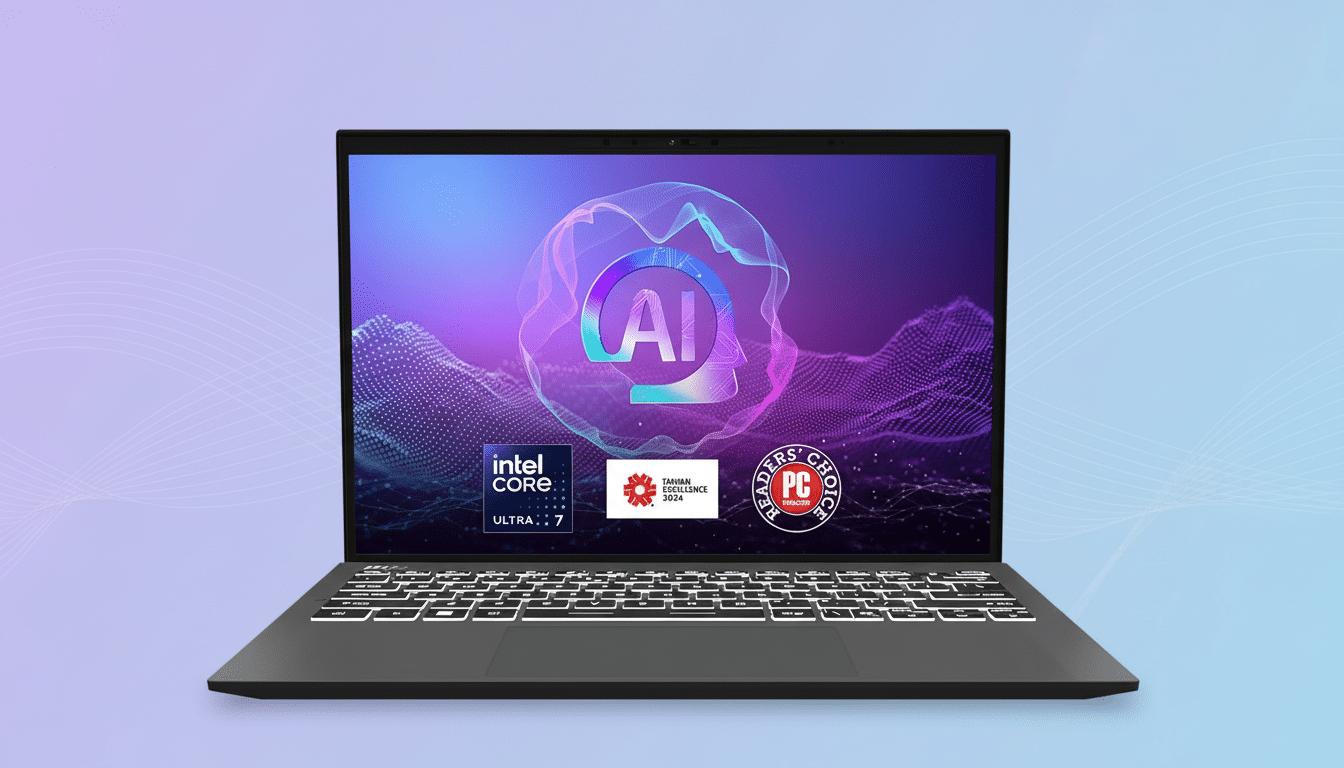
That’s less than some tablets with keyboards and undercuts a 13-inch MacBook Air, but MSI still packs in a 2.8K OLED panel, up to 64GB of LPDDR5x memory, and enough battery for up to 19 hours of video playback on a summer-long car trip (75Wh worth).
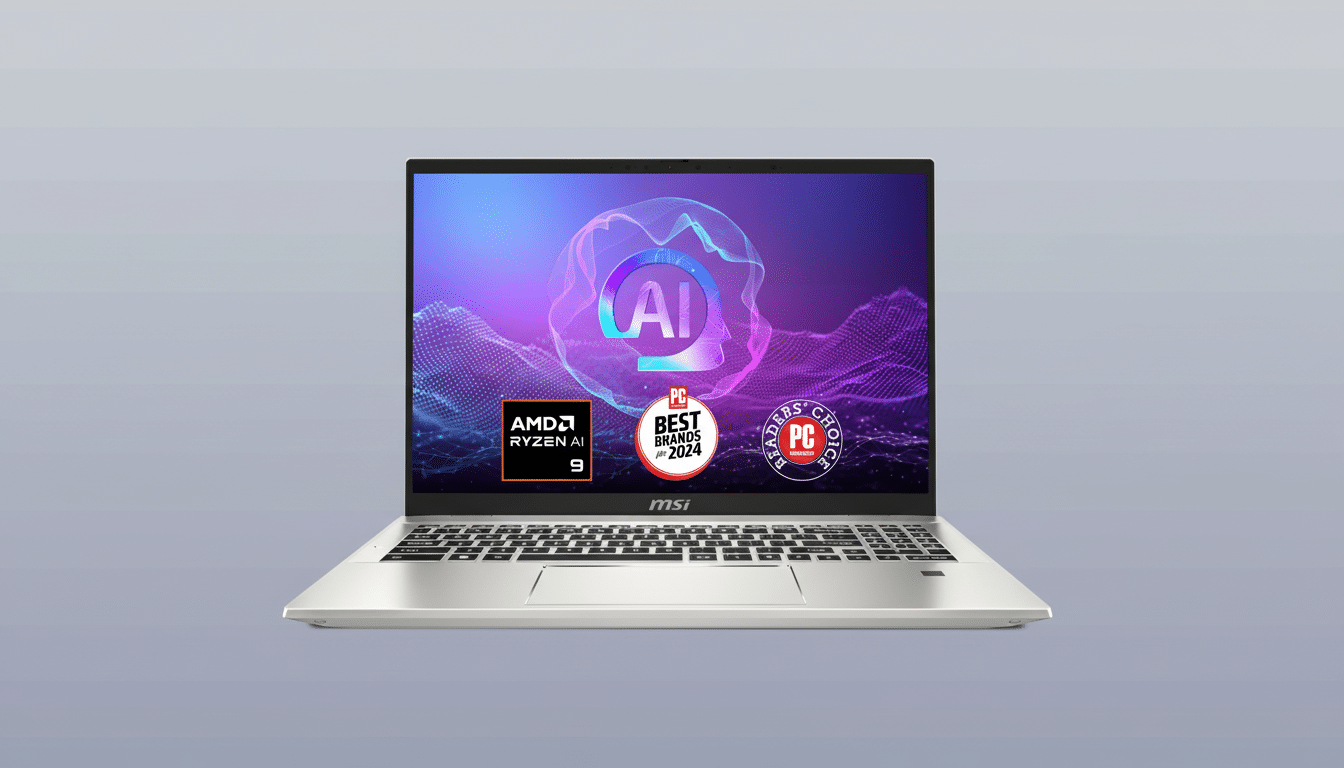
Step up to the 14- and 16-inch Prestige models, and you upgrade to the same minimal aesthetic that’s all metal with a choice of Core Ultra X9, 9 or 7 processors. Thickness remains slim at about half an inch on the 14-inch version, while weights come in at 2.9 pounds and 3.5 pounds, respectively — figures that used to be limited to stripped-down ultraportables, rather than full-power work rigs.
Premium-feel displays and inputs across the Prestige line
Across the entire Prestige line, they get OLED by default and that matters outside of marketing. True blacks and high contrast are good for professionals working with edited HDR photos, scrubbing timelines or reading code all day. The 16-inch version pursues a higher-res 2.8K image quality – and throws in a fast (variable) refresh rate of 120Hz for smoother scrolling and UI animations – while the 14-inch variant is more about efficiency with FHD+ visuals that use only a standard refresh rate of 60Hz.
MSI’s design language falls loosely into the “clean and quiet” category — it has big glass trackpads, recessed black keyboards and a prismatic logo on a monolithic metal lid. It’s familiar — yes, there’s a kind of MacBook-y vibe — but that’s where the industry is at. Now input quality is a deciding factor, and these machines feel tuned for long sessions instead of checking boxes on a spec sheet.
Convertible options for creators with Nano Pen support
The Flip variations of both the 14-inch and 16-inch Prestige models accommodate stylus users without adding loads of girth. Both add support for MSI’s Nano Pen, which attaches magnetically to a rear groove. It’s a nice touch, solves the “where did my pen go” problem and indicates that MSI actually expects people to do some real note-taking and sketching – not just ticking a box on a spec sheet.
The Modern line for the rest of us at mainstream prices
Not everyone requires the top-end Prestige trappings. Both the Modern 14S and 16S AI+ share several similar design cues including Intel Core Ultra 7 (Series 3) chips, base 16GB of memory (with up to 32GB), and your choice of OLED or IPS displays. The 14-inch still remains remarkably portable at 2.8 pounds and as thin as 0.43 inch. The Modern, MSI says, has a starting price of around $1,099 — in other words right at the sweet spot for mainstream business buyers.
How This Looks for Windows Laptops in 2026
For years, Windows notebooks have been chasing a three-part ideal: power, portability and endurance. What is different here is how few compromises remain. With “Panther Lake” under the hood, more efficient LPDDR5x memory and OLED transitioning from optional to de facto, the baseline is going up. IDC has observed a constant increase in premium thin-and-light categories, and MSI’s picks are where folks appear to be voting with their wallets: less bling, more polish, and specs not just to look nice in slide decks.
There’s competition, of course. The Surface line and a wave of ultralight Windows machines have driven the bar up on design and battery life, while Apple reset the curve for what we should expect in terms of thermals (machine heat) and longevity. If MSI’s 2026 lineup is any indication, Windows users won’t need to decide between feather-light builds and muscle anymore — they’ll get both, not to mention screens that actually do content justice.
Bottom line: thin-and-light tradeoffs may finally disappear
That statement reads like a boast: the finest Windows laptops can be weightless, long-lived and fast enough to do real work on. If more OEMs replicate this formula — OLED where it matters, efficient without feeling impotent silicon, sensible design — then maybe 2026 is the year that the thin-and-light label ceases carrying weight as a tradeoff.
