


After living with Sony’s WH-1000XM6 and Bose’s QuietComfort Ultra 2 across flights, offices, coffee shops, and daily commutes, my buying advice for 2026 has shifted. Both are elite noise-canceling headphones, but the differences that matter reveal themselves only after weeks of real use, not minutes in a store.
The short version: Sony remains the choice for power users who want granular control, future-leaning features, and technical sound. Bose is the set-and-forget pick that stays comfortable all day and softens the world in a way that’s easier on the ears. How you plan to wear them—not just how they measure—should lead your decision.
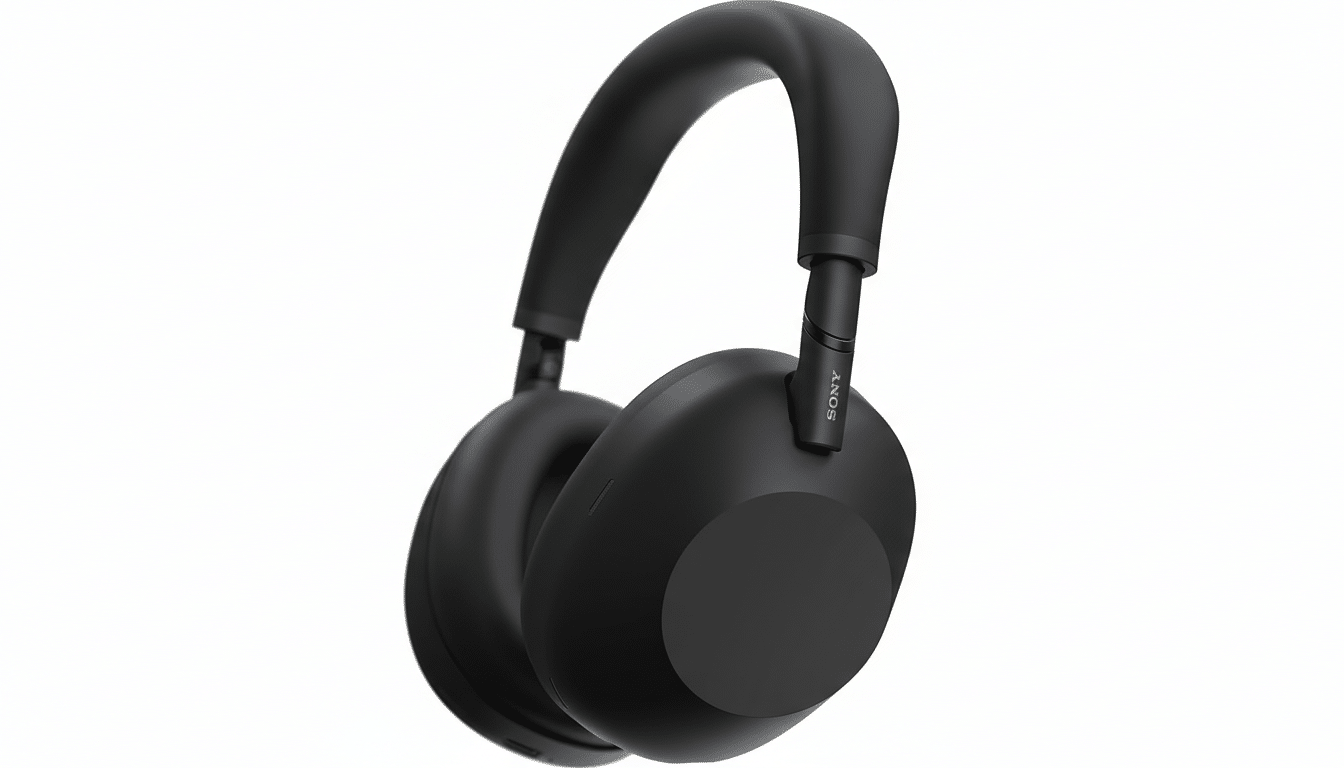
What Changed After Months Of Real-World Use
My past advice put more weight on lab specs and isolated tests. After long-haul flights and back-to-back calls, I now prioritize comfort, voice handling, and app complexity. Cabin noise typically sits around 75–85 dB per aviation and health guidance, and in that band, the character of ANC matters as much as its raw strength.
I also give more credit to platform features. Bluetooth SIG’s push for LE Audio and Auracast is moving from concept to reality in public venues, which favors headphones that already support broadcast audio and modern codecs. Those ecosystem upgrades are no longer theoretical—they shape everyday convenience.
Comfort And Fit Over A Full Day Of Continuous Wear
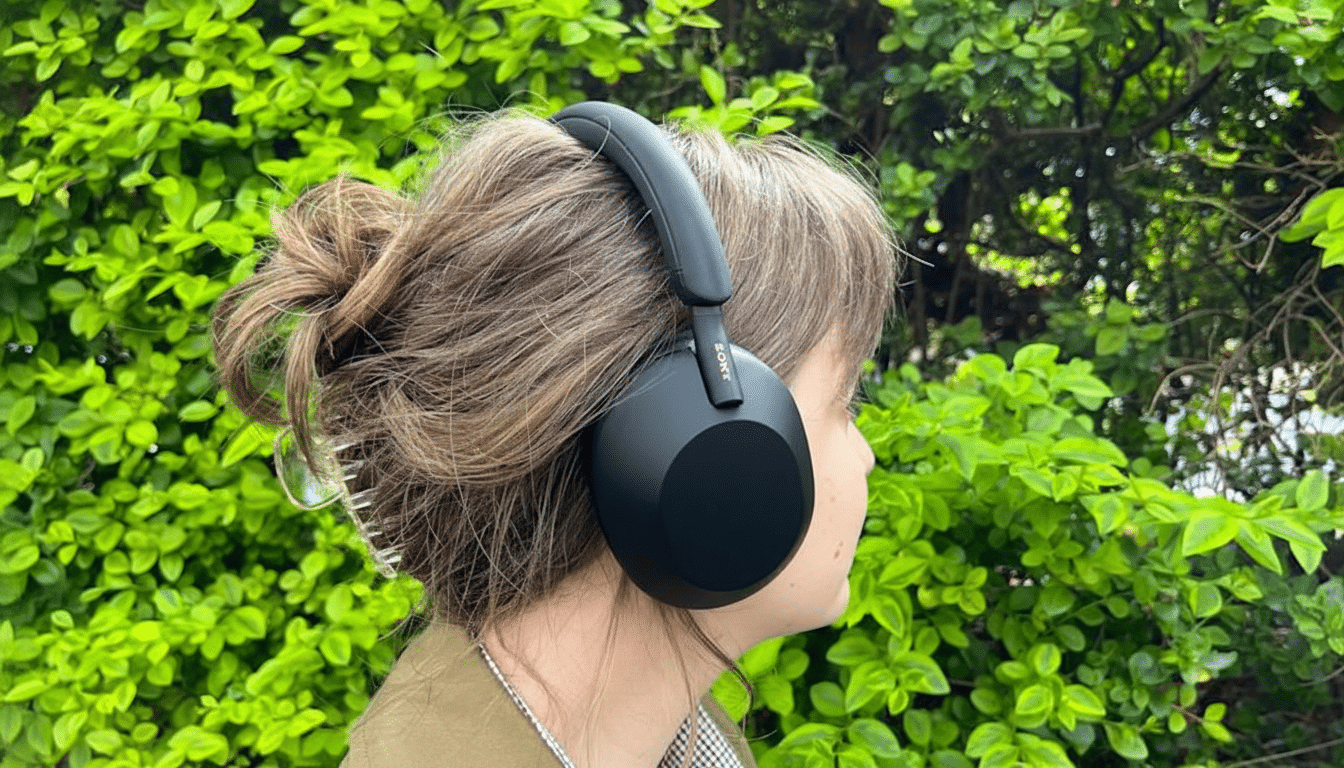
Bose wins comfort. The QuietComfort Ultra 2’s plush pads and gentler clamping force make them easier to wear for an entire workday or through a travel day. If you wear glasses, the reduced pressure around the temples is noticeable within an hour and decisive by hour three.
Sony’s WH-1000XM6 feels more secure, which I appreciated on runs to the gate or while moving between meetings, but the firmer clamp and thinner pads build pressure faster. I treated the XM6 like a focused-session tool: superb for flights, workouts, and deep work sprints, less ideal for dawn-to-dusk sessions.
Sound Quality And Codecs In 2026 Across Platforms
Out of the box, Sony aims for detail and control: tighter bass, clear mids, and more shimmer up top, especially with higher-quality codecs engaged. The Headphones Connect app’s EQ lets you nudge the response without wrecking coherence, and features like DSEE upscaling can help with low-bitrate streams.
Bose defaults to a smoother, more relaxed tonality. It’s less “hi-fi demo” and more “listen all day,” which flatters podcasts, video calls, and long playlists. For most listeners, that means less fatigue and fewer EQ tweaks to make busy mixes tolerable at lower volumes.
On the connectivity front, Sony’s support for modern Bluetooth features, including LE Audio capabilities such as LC3 and Auracast where available, gives it an edge for future-proofing. That matters as more airports, stadiums, and conference centers experiment with broadcast audio, according to announcements from the Bluetooth SIG.
Noise Cancellation In The Places That Matter
Both cancel noise extremely well, but they do it differently. Sony’s ANC is assertive and adaptive. It clamps down on low-frequency engine rumble and adjusts quickly to sudden changes, making it ideal for aircraft cabins and train cars. After an hour, though, the aggressive profile can feel a bit intense for sensitive ears.
Bose’s ANC is calmer and excels at softening voices and office clatter. Independent measurements over the years from testing labs like Rtings have often shown Bose with a measurable edge in speech-range attenuation, and that aligns with my experience in open offices and cafés. If your daily noise is people, not planes, Bose feels effortlessly effective.
Smart Features, Batteries, And Ecosystems That Matter
Sony’s app is a playground: adjustable ANC profiles, location- and behavior-based automation, Speak-to-Chat, robust EQ, and more. If you invest time to tune it, the XM6 scales with you. Multipoint is reliable, and I found handoffs between laptop and phone snappier than prior generations.
Bose’s app takes the opposite approach. Fewer toggles, fast setup, and features that largely stay out of your way. Its Immersive Audio mode adds a convincing sense of space for movies and games without demanding a new learning curve. If you want simple and consistent, Bose nails it.
Battery life on both easily covers a full travel day with ANC on, and quick-charge top-ups keep range anxiety low. As with any lithium-ion device, expect capacity to taper with heavy use; plan on sensible charge habits rather than running to 0% daily to preserve longevity.
My Updated Buying Advice For 2026 After Long-Term Use
Choose Sony WH-1000XM6 if you want the most adaptable tool. You value customization, modern codec support, fast device switching, and ANC that dominates low-frequency hum. You listen critically, don’t mind a firmer fit, and you’ll actually use the app’s deeper features.
Choose Bose QuietComfort Ultra 2 if comfort and easy excellence matter most. You wear headphones for hours, work around people, and want effortless noise reduction that calms human voices. You prefer consistency over tinkering, and you’ll rarely open a settings menu.
One final change in my guidance: start with fit. If you feel pressure hotspots or eyeglass pinch in the first 30 minutes, that won’t improve at hour four. Use retailer return windows to A/B both at your desk and on a commute. Keep the pair you forget you’re wearing—because in 2026, the best headphones are the ones you can live in, not just listen to.
