


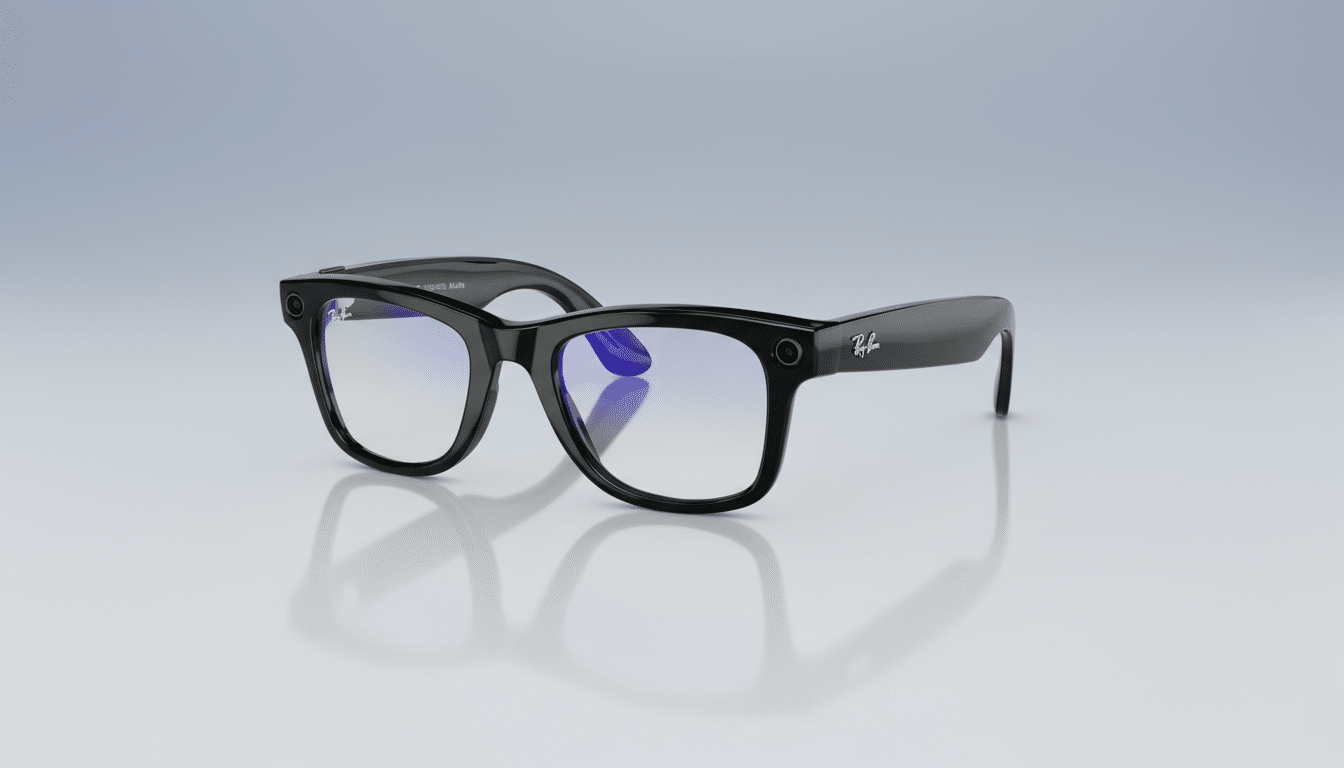
Meta is exploring a facial-recognition feature for its Ray-Ban smart glasses, according to reports citing internal planning documents and people familiar with the project. The capability, internally referred to as Name Tag, would identify people you encounter and surface information through Meta’s AI assistant, signaling a high-stakes bet that on-face computing can move beyond point-and-shoot cameras into real-time context about the world—and the people in it.
What Name Tag Might Do on Ray-Ban Smart Glasses
Sources indicate Meta has weighed several guardrails for how Name Tag could work. One concept ties recognition to your existing relationships on Meta-owned platforms, revealing details only when there’s a confirmed connection on Facebook or Instagram. Another centers on public profiles, recognizing people who have explicitly made certain information available. In either case, the glasses could whisper a name and brief context—think workplace or mutual friends—via the onboard assistant.
Meta has also framed the idea as an accessibility tool. Internal messaging described introducing the feature at an event for blind and low-vision users, underscoring plausible benefits such as privately identifying a colleague at a crowded venue. That debut never materialized, suggesting the company is iterating, testing for safety, or bracing for a regulatory fight before showing anything publicly.
A Familiar Privacy Flashpoint for Wearable Face Tech
Facial recognition is one of tech’s most incendiary frontiers, and Meta knows it. The company previously shut down Facebook’s face-tagging system and deleted more than a billion facial templates after sustained criticism from regulators and civil society groups. At the time, Meta leaders acknowledged both the potential benefits and the profound concerns, a balancing act that has only grown more delicate as AI becomes ubiquitous.
Smart glasses raise the stakes. Unlike phone-based face tagging in photos you’ve already taken, Name Tag would operate in dynamic public settings where consent and context are slippery. Even with visible recording lights and “do not scan” settings, many people may not want to be identified without explicit permission—especially by a stranger’s eyewear.
The Legal Minefield Surrounding Biometric Data Rules
Biometric data is a special category under privacy rules in multiple jurisdictions. In the European Union, GDPR treats facial recognition used for unique identification as sensitive data, typically requiring explicit opt-in consent and a clear lawful basis. In the United States, Illinois’ Biometric Information Privacy Act allows private lawsuits and statutory damages for improper collection or use of faceprints, and it has fueled costly class actions across the tech industry.
Meta also remains under long-running oversight by the Federal Trade Commission, which has previously taken action against companies that used facial analytics without proper notice and consent. Any consumer deployment of Name Tag would need to thread a legal needle across regions, potentially resulting in a patchwork rollout or drastically constrained functionality country by country.
Technical Choices That Will Decide Trust
How, exactly, the system processes faces will be decisive. On-device matching with ephemeral embeddings, no cloud storage of raw images, and strong encryption are quickly becoming table stakes. A “mutual opt-in” model—recognizing only people who have chosen to be recognizable by contacts—could limit creepiness and risk. Clear capture indicators, geofencing for sensitive locations, and age protections would further reduce harm.
Accuracy and bias also matter. Studies from the National Institute of Standards and Technology have shown that face recognition algorithms can exhibit higher false-match rates for certain demographics depending on the vendor and training data. Even low error rates can become real-world headaches if you are misidentified in a fast-moving social setting, so Meta will face pressure to publish audits, allow independent testing, and provide easy controls to disable detection.
Why Meta Is Pushing Now on Smart Glasses Identity
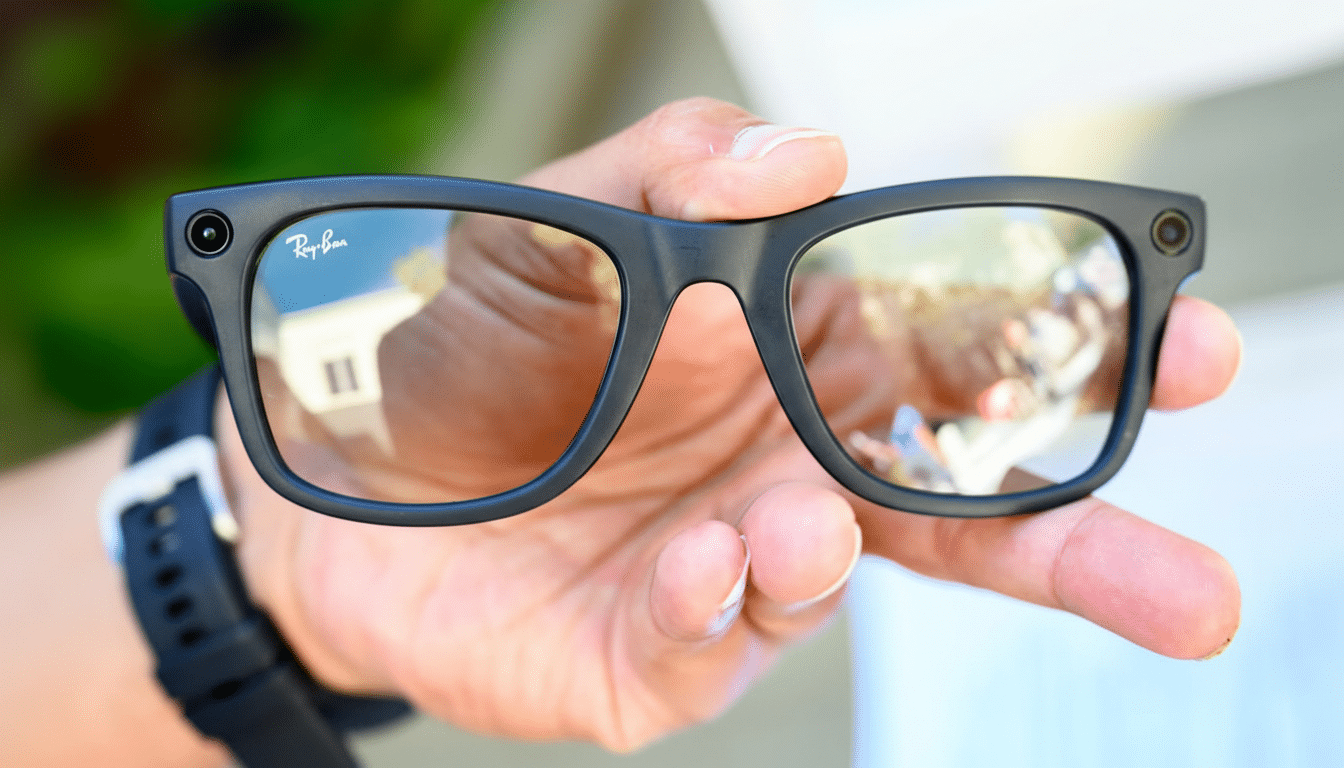
Ray-Ban Meta glasses have found an audience for hands-free photo capture, livestreaming, and voice-assistant queries, and rivals are circling. Apple is expanding computer-vision features across its devices, Samsung has teased XR ambitions, and Snap continues to iterate on Spectacles. A credible, privacy-safe identity layer would be a powerful differentiator—turning glasses into a real-time social graph browser rather than just a camera on your face.
That ambition runs squarely into societal expectations. Groups such as the Electronic Frontier Foundation and the ACLU have warned for years about normalizing automated identification in public spaces. If Meta moves ahead, it will need to show that benefits like accessibility and personal safety aren’t a fig leaf for pervasive surveillance.
What To Watch Next as Meta Tests Name Tag Features
Look for signs of limited pilots in markets with clearer consent frameworks, detailed policy disclosures on how face data is processed, and whether Name Tag defaults to off. Watch for opt-in badges on profiles across Facebook and Instagram, which could telegraph a contacts-only approach. And expect immediate scrutiny from privacy regulators and disability advocates alike; both constituencies will shape if, where, and how this feature ever ships.
Smart glasses will only earn mainstream trust if identity feels helpful, rare, and fully controlled by the people being recognized. Meta’s next move will reveal whether the company can engineer not just the technology, but the social contract that must come with it.
