


Jackery just turned portable energy into something that moves and thinks. The company unveiled Solar Mars Bot, an autonomous rover with built-in battery storage and auto-retractable solar panels that hunts for sunlight, deploys itself, and keeps your portable power ecosystem charged without babysitting. It’s a rare blend of robotics and residential energy management—and it’s aimed squarely at the headache of keeping batteries topped up when shade, weather, and time work against you.
Why a Roaming Energy Bot Matters for Homes
Portable power stations exploded in popularity over the past few years, but the hardest part isn’t using them—it’s recharging them efficiently. Fixed panels lose output dramatically when a tree, fence, or roofline throws shade across a corner. According to the National Renewable Energy Laboratory, tracking and optimal orientation can boost solar yield by 15% to 35% compared with fixed arrays, while partial shading can slash output across an entire string. A robot that can reposition itself to chase clear sky is a practical answer to a very real problem.
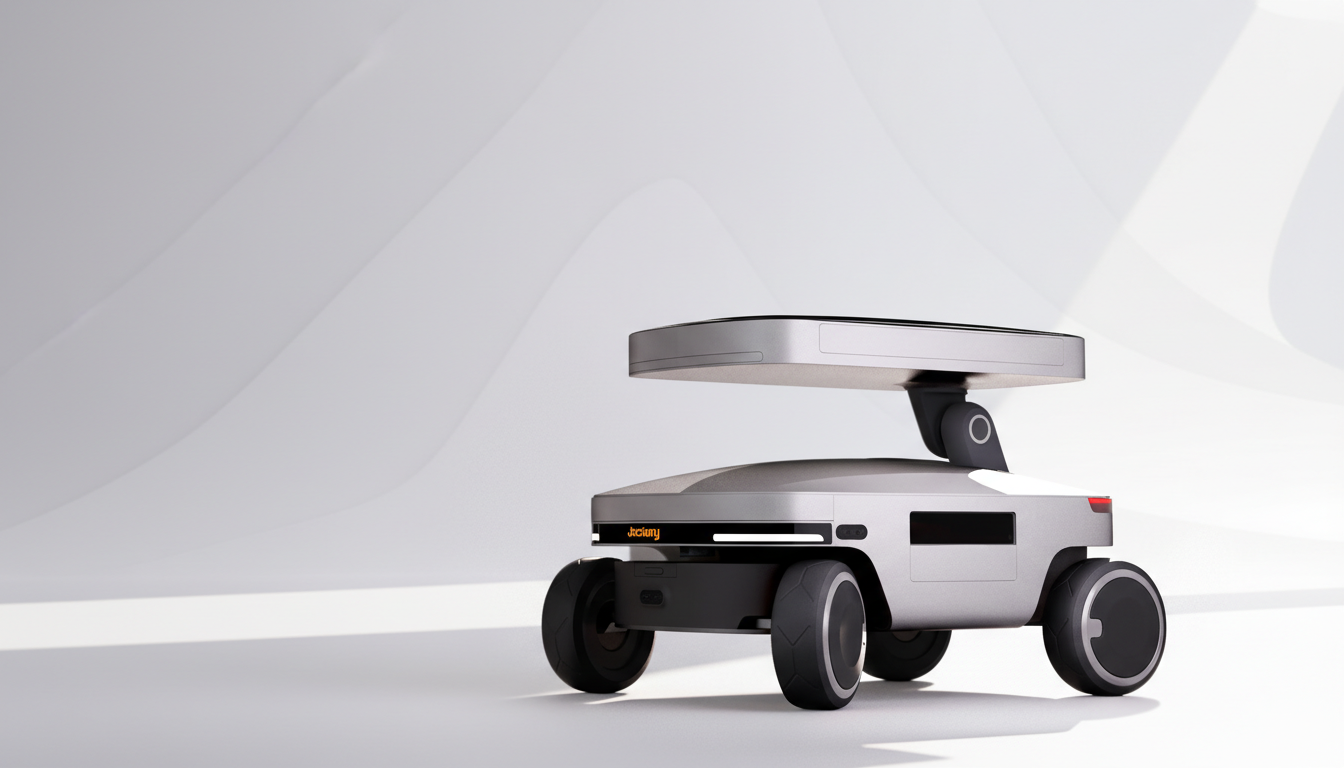
How the Solar Mars Bot Operates Throughout the Day
Solar Mars Bot combines three functions: it follows you like a pack mule to wherever power is needed, it deploys a 300W solar array that unfolds and retracts automatically, and it repositions throughout the day to maximize charging. Jackery first teased the concept at a prior CES; now it’s a working product with onboard intelligence designed to evaluate sun angle and obstructions, then move accordingly. The company frames it as set-and-forget: arrive, park, let it find the light, and plug in your gear.
The bot includes an integrated power station, so it’s not simply a panel on wheels. That matters for resilience: during an outage or a weekend off-grid, the robot can harvest and store energy on its own, then act as a mobile outlet cluster where you actually need it—garage in the morning, patio by afternoon, campsite at night.
Real-World Power Math for Everyday Solar Charging
What can 300W of solar really do? With typical U.S. peak sun hours of 4 to 6 (NREL reference), that array could net roughly 1.2 to 1.8 kWh on a clear day. That’s enough to run a broadband router and mesh nodes (≈15–25W) all day, keep phones and laptops charged, power LED lighting through the evening, and still have headroom for an efficient portable fridge for several hours. It won’t replace whole-home consumption—the U.S. Energy Information Administration pegs average daily household use near 30 kWh—but as a flexible, autonomous trickle that keeps your essentials alive, it’s compelling.
The mobility advantage is real: shade or poor orientation can crater panel output by double-digit percentages. Repositioning even a few times per day can meaningfully increase daily harvest, and unlike roof arrays, a roaming bot can simply avoid trouble spots caused by trees or neighboring buildings.
Home Integration and Practical Use Cases to Expect
Think of Solar Mars Bot as a moving node in a larger home energy setup. It can supplement stationary generators and portable power stations by handling daytime charging duties outdoors, then rolling back to where loads are—workbench, home office, backyard studio. Off-grid cabins, RVs, and emergency-response kits stand to benefit the most, where portability and autonomous charging trump peak output.
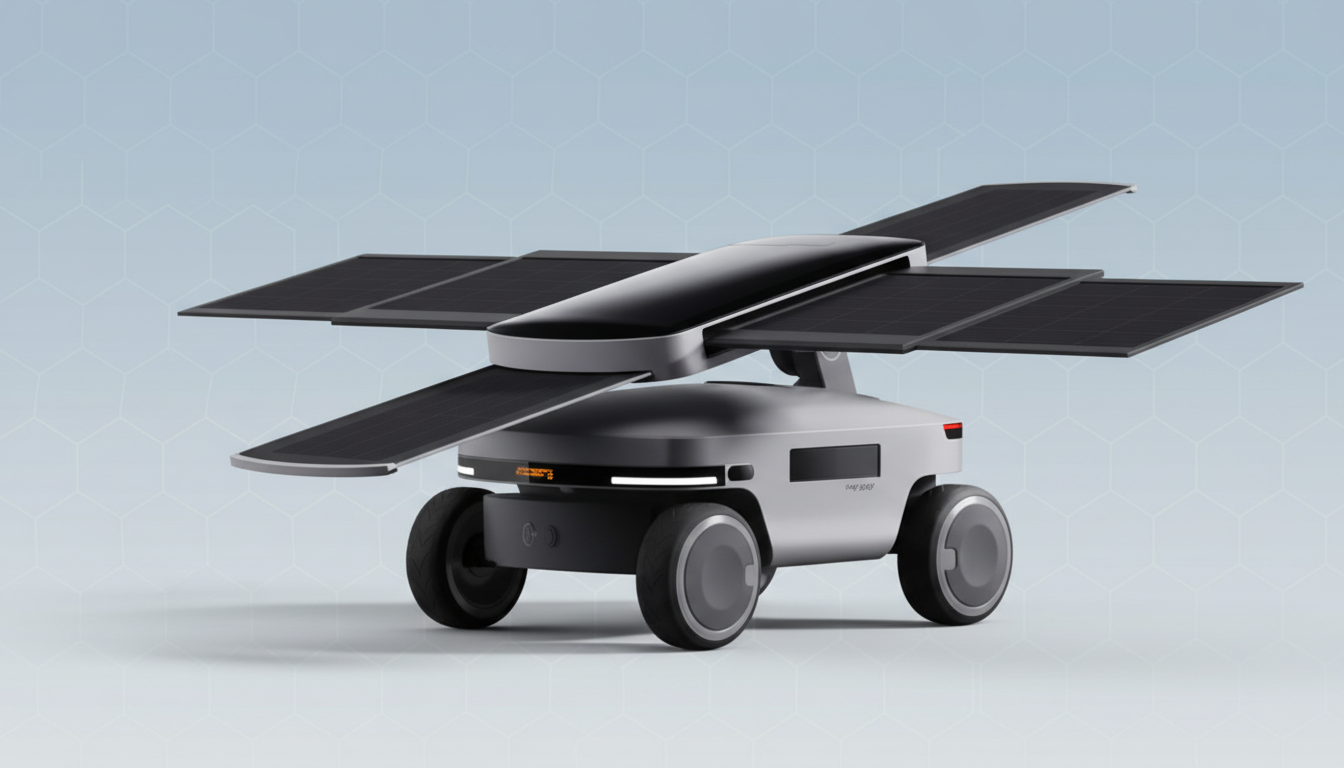
Backyard scenarios are equally interesting. Instead of running long extension cords or committing to a fixed panel array that’s shaded half the afternoon, the bot can live in the part of the yard that sees the best sun path each season. For renters and homeowners wary of roof penetrations or permits, that’s a low-friction way to add renewable capacity.
Performance, Safety, and Practicalities to Consider
Key questions remain, and they’ll matter as much as the headline feature. Buyers should watch for battery chemistry disclosures (lithium iron phosphate is prized for cycle life and thermal stability), weather and dust ingress ratings, and safety certifications such as UL 1973 or related standards. Navigation reliability—obstacle avoidance around pets, kids, and garden furniture—will be a make-or-break detail for suburban users.
Range and terrain capability also count. If your best sun patch is across gravel or a sloped lawn, wheel design and traction will dictate how often the robot delivers its promised output. Theft deterrence, geofencing, and app-based location are practical must-haves for a device that lives outdoors.
What to Watch Next as Jackery Readies Solar Mars Bot
Jackery hasn’t detailed final pricing or release specifics, but the strategy is clear: move beyond static boxes and turn portable power into an autonomous system. Few mainstream consumer energy brands have shipped anything this ambitious. If Solar Mars Bot lands with competitive storage capacity, sensible safety credentials, and a thoughtful app experience, it could redefine how people think about keeping their home power stations alive—less like gear to manage and more like a service that manages itself.
The pitch is simple and persuasive: a robot that finds the sun, charges itself, and brings usable power where and when you need it. For anyone who’s ever nudged a solar panel a few inches and watched watts jump by 20%, the value is obvious. If execution matches the vision, this is the kind of smart energy device that feels inevitable—and indispensable.
