


With Google readying the Pixel 10a, a credible leak has sketched out the iPhone 17e, setting the stage for one of the most consequential mid-range clashes of the year. The headline figures are straightforward yet significant: a reported $599 price, Apple’s A19 chip, in-house modem and Wi-Fi silicon, and the return of MagSafe. That combination aims squarely at Google’s value-driven A-series playbook.
Price And Positioning For iPhone 17e Versus Pixel 10a
Bloomberg’s Mark Gurman, in his Power On newsletter, says Apple plans to keep the iPhone 17e at $599, matching the prior generation and signaling that Cupertino intends to stay competitive despite rising component costs. Research firms like TrendForce have flagged double-digit increases in memory pricing over the past year, which typically pressures phone makers to bump MSRPs or trim features. Holding at $599 is a statement.
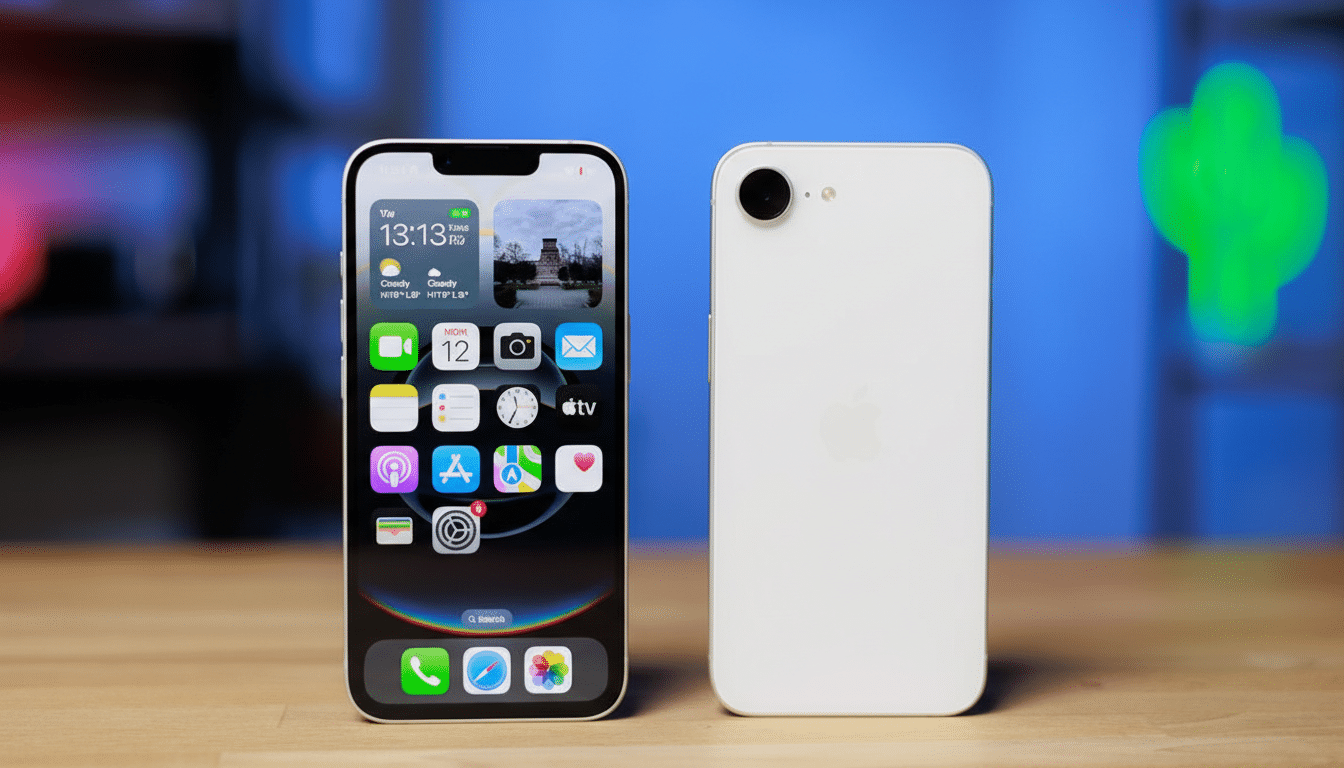
For Google, the pressure is price. The Pixel 10a is widely expected to land around $499, undercutting Apple by roughly $100. In the fiercely contested $400–$600 band—still the largest by volume in many markets according to Counterpoint Research—that gap matters. Carriers and trade-ins can blur sticker shock, but on an unlocked basis the Pixel 10a’s value story will be hard to ignore.
Silicon And Connectivity In iPhone 17e And Pixel 10a
The most intriguing detail is the processor. Gurman reports the iPhone 17e will carry the same A19 silicon expected in the flagship iPhone 17 line. That’s a notable break from the usual mid-range recipe, which often recycles last year’s chip. If accurate, buyers could see flagship-caliber CPU and GPU performance alongside the power efficiency Apple silicon is known for—an advantage that tends to show up in app responsiveness, camera processing speed, and battery life under heavy use.
Apple is also said to be using its newest in-house modem and Wi-Fi chip, believed by industry watchers to be a successor to the C1X modem seen in Apple’s latest non-Pro devices. Early chatter points to sub-6GHz 5G but not mmWave. Practically, that won’t be a deal-breaker for most people: Opensignal’s reports have long shown that time spent on mmWave sits in the low single digits even in mature 5G markets. The trade-off favors battery life and cost control over a niche speed boost.
On Google’s side, the Pixel 10a is expected to lean on a Tensor platform tuned for AI-first features rather than raw benchmark wins. Recent Pixels have prioritized on-device machine learning for photo tricks, call screening, and summarization tools. If that trajectory holds, Apple’s edge could be peak performance per watt, while Google counters with cleverly integrated AI features at a lower price.
Features That Matter Day To Day For Typical Phone Buyers
MagSafe support is reportedly back on the iPhone 17e after skipping a generation in Apple’s entry tier. That is more than a convenience feature; it opens the door to a sprawling ecosystem of chargers, battery packs, and car mounts with precise alignment and faster, more reliable charging than many generic magnet rings.
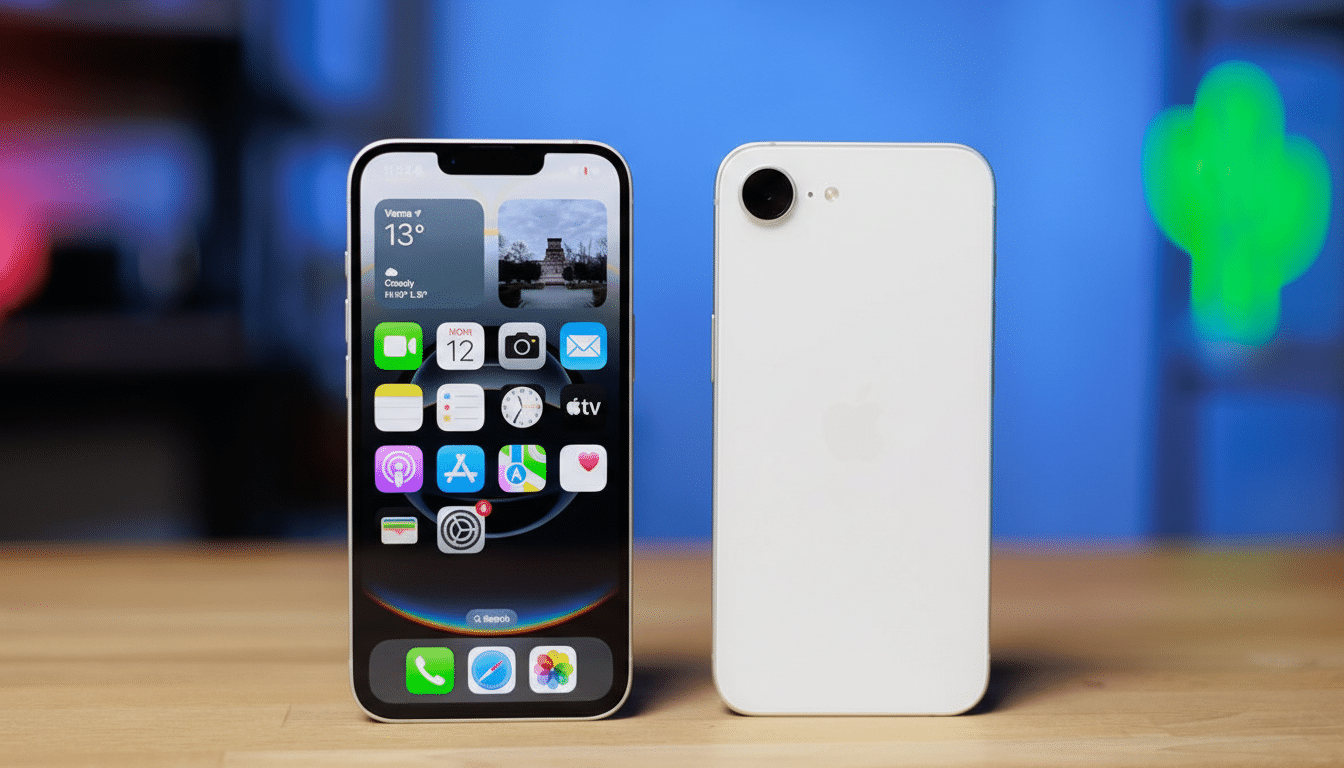
Cameras will be a battleground, as always. Apple typically balances natural color science and reliable video, while Google’s A-series has impressed with computational photography that punches above its price. If the iPhone 17e inherits the A19’s enhanced image pipeline, expect faster HDR stacking and improved low-light video stabilization. Conversely, the Pixel 10a will likely tout AI-enabled modes, continuing Google’s trend of adding features like enhanced Night Sight and smart editing tools to its mid-range.
Longevity matters too. Google has reset expectations by promising extended software support on recent Pixels, signaling that even mid-range buyers can count on multiple years of OS and security updates. Apple doesn’t publish explicit timelines, but historical iPhones routinely receive major iOS updates for many years, which has been a key reason older iPhones retain high resale value, as documented by analysts at IDC and other market trackers.
Early Verdict: Who Wins On Paper In This Mid-Range Matchup
On paper, the iPhone 17e shapes up as a premium mid-ranger with flagship-class silicon, an Apple-built modem stack, and the return of MagSafe—all while holding the line on price. If you prioritize performance headroom, accessory compatibility, and ecosystem cohesion, that recipe is compelling.
The Pixel 10a, meanwhile, is expected to make its case with a lower entry price, Google’s growing suite of on-device AI features, and the brand’s strong camera value. For many, that blend will be enough—especially if Google delivers a high-refresh OLED and the long software support window it brought to recent models.
The choice may ultimately come down to what you value most in a daily driver. If Apple truly ships the A19 inside a $599 iPhone with MagSafe, Google’s best counter will be to double down on value and AI. Either way, mid-range buyers look set to win.
