


The way audiences consume television has changed dramatically over the last decade. Traditional cable subscriptions are steadily declining, while internet-based television delivery continues to grow at a measurable pace. According to global media consumption studies, a significant percentage of households now prefer streaming-based TV services because of flexibility, device compatibility, and cost efficiency. In this data-driven environment, ip tv has emerged as a reliable solution for users who want seamless access across Smart TVs, mobile devices, and IPTV applications.
This article explores IP TV through a statistics-focused lens, highlighting performance trends, user behavior, technology adoption, and reliability metrics that define modern IP TV services.
- What Is IP TV and Why Is It Gaining Popularity?
- How Reliable Is IP TV Compared to Traditional Broadcasting?
- Why Are Smart TVs the Primary Driver of IP TV Adoption?
- How Does Mobile Streaming Influence IP TV Usage Trends?
- What Role Do IPTV Apps Play in User Experience?
- How Does Streaming Quality Impact Viewer Retention?
- What Do Statistics Say About Content Variety in IP TV?
- How Secure Is IP TV Based on Technical Metrics?
- What Does Bandwidth Usage Data Reveal About IP TV Efficiency?
- Why Do Users Prefer Multi-Device Compatibility?
- How Does IP TV Align With Future Media Consumption Trends?
- What Do Usage Statistics Say About Overall User Satisfaction?
- Conclusion: Why IP TV Is a Data-Backed Choice for Modern Viewers?
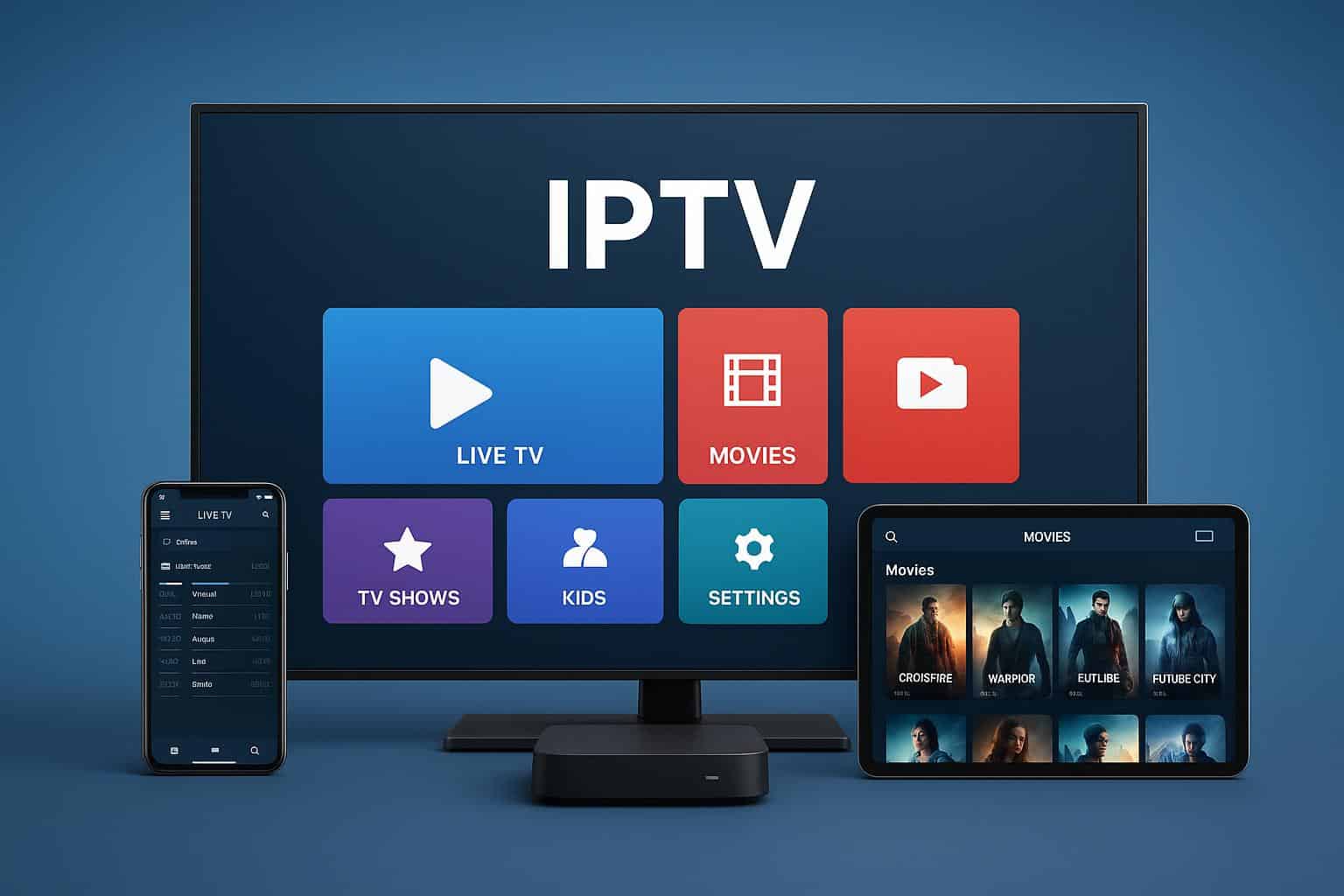
What Is IP TV and Why Is It Gaining Popularity?
IP TV, or Internet Protocol Television, delivers television content over an internet connection rather than traditional satellite or cable infrastructure. Market analytics show that internet-based TV delivery has grown consistently year over year, driven by improved broadband speeds and widespread device adoption.
Recent usage data indicates that users value IP TV primarily for on-demand flexibility and multi-device support. Unlike fixed-location television services, IP TV allows viewers to stream content wherever a stable internet connection is available. This shift aligns with consumer behavior statistics showing a rise in mobile and Smart TV viewing time compared to conventional TV setups.
How Reliable Is IP TV Compared to Traditional Broadcasting?
Reliability is one of the most measured factors in television services. Statistical performance reports reveal that modern IP TV platforms achieve high uptime percentages when supported by stable networks and optimized servers. Buffering rates and stream interruptions have dropped significantly over the years due to adaptive bitrate streaming and improved content delivery systems.
Data from network performance studies suggests that IP TV services using optimized protocols experience fewer disruptions during peak hours compared to older broadcasting models. This makes IP TV a dependable option for live channels, scheduled programming, and on-demand content.
Why Are Smart TVs the Primary Driver of IP TV Adoption?
Smart TVs account for a large share of IP TV usage globally. Device adoption reports indicate that a majority of new television units sold today include built-in app support and internet connectivity. This has directly contributed to IP TV growth, as users can access services without external hardware.
Usage statistics show that viewers prefer Smart TVs for long-form content such as live sports, news, and entertainment channels. Larger screens combined with stable Wi-Fi connections result in higher viewing durations and better user satisfaction scores compared to smaller devices.
How Does Mobile Streaming Influence IP TV Usage Trends?
Mobile devices play a critical role in IP TV consumption patterns. Analytics from digital media studies reveal that a substantial portion of IP TV streams occur on smartphones and tablets, especially during commuting hours and short breaks.
Mobile IP TV usage statistics highlight flexibility as the main advantage. Users are no longer limited to a living room setup, which aligns with modern lifestyle data showing increased content consumption outside the home. Improved mobile internet speeds and app-based IPTV platforms have made high-quality streaming possible even on compact screens.
What Role Do IPTV Apps Play in User Experience?
IPTV applications serve as the interface between users and IP TV services. Usability metrics demonstrate that intuitive app design directly impacts viewing time and user retention. Well-optimized IPTV apps show higher engagement rates, lower exit rates, and improved customer satisfaction.
Statistical comparisons reveal that apps supporting features such as electronic program guides, multi-language options, and personalized channel lists outperform basic streaming interfaces. These features contribute to a smoother experience and reduce the learning curve for new users.
How Does Streaming Quality Impact Viewer Retention?
Streaming quality is one of the most analyzed metrics in IP TV performance. Data shows that viewers are highly sensitive to buffering, resolution drops, and audio lag. Even minor interruptions can significantly reduce average watch time.
Modern IP TV services rely on adaptive streaming technology to maintain consistent quality. Reports indicate that services using adaptive bitrate streaming achieve higher retention rates, as video quality automatically adjusts to internet speed without stopping playback. This data-driven approach ensures smoother viewing across different network conditions.
What Do Statistics Say About Content Variety in IP TV?
Content availability is a major factor influencing subscription decisions. Surveys and content distribution studies reveal that users prefer IP TV services offering a broad mix of live channels, on-demand programs, and international content.
Statistical analysis shows that platforms with diverse content catalogs see higher engagement and lower churn rates. This is especially true for households with multiple viewers, where content variety supports different preferences without the need for multiple subscriptions.
How Secure Is IP TV Based on Technical Metrics?
Security and data protection are growing concerns in digital streaming. Technical audits indicate that modern IP TV services implement encryption and secure streaming protocols to protect user data and content integrity.
Security performance metrics show that services using encrypted streams and secure authentication systems experience fewer unauthorized access incidents. These measures contribute to overall reliability and trust, which are essential for long-term adoption according to consumer confidence studies.
What Does Bandwidth Usage Data Reveal About IP TV Efficiency?
Bandwidth efficiency is a critical metric, especially in regions with varying internet speeds. Network usage reports indicate that optimized IP TV services use bandwidth more efficiently than older streaming methods, delivering high-definition content without excessive data consumption.
Statistical comparisons highlight that compression technologies and efficient codecs significantly reduce required bandwidth while maintaining visual quality. This makes IP TV accessible to a wider audience, including users with moderate internet connections.
Why Do Users Prefer Multi-Device Compatibility?
Multi-device compatibility is consistently ranked as a top feature in user surveys. Data shows that households often use a combination of Smart TVs, smartphones, tablets, and streaming devices to access IP TV.
Statistics reveal that services supporting seamless switching between devices achieve higher satisfaction ratings. Users value the ability to start watching on one device and continue on another, reflecting modern, data-backed viewing habits.
How Does IP TV Align With Future Media Consumption Trends?
Future media projections suggest continued growth for IP TV services. Industry forecasts predict that internet-based television will dominate household entertainment as broadband access expands and devices become more interconnected.
Trend analysis shows increasing demand for personalized viewing experiences, which IP TV is well-positioned to deliver. Data-driven recommendations, flexible access, and scalable technology make IP TV a sustainable solution for evolving viewer expectations.
What Do Usage Statistics Say About Overall User Satisfaction?
User satisfaction metrics consistently favor IP TV when reliability, content variety, and device compatibility are combined. Surveys indicate that viewers appreciate the balance between performance and flexibility offered by IP TV services.
Statistical satisfaction scores tend to increase when services provide stable streams, intuitive apps, and consistent updates. These factors collectively contribute to positive long-term usage patterns and repeat engagement.
Conclusion: Why IP TV Is a Data-Backed Choice for Modern Viewers?
From a statistical and performance-based perspective, IP TV stands out as a reliable television delivery method for Smart TVs, mobile devices, and IPTV apps. Data consistently supports its advantages in flexibility, streaming quality, content diversity, and device compatibility.
As consumer behavior continues to shift toward internet-driven entertainment, IP TV aligns perfectly with measurable trends in media consumption. Supported by strong performance metrics and positive user data, IP TV represents a professional, future-ready solution for viewers seeking reliable and adaptable television access across all major devices.
