


The construction industry is evolving faster than it ever has before. Digital technologies are creating job sites that are more connected, more efficient, and more data-driven than previous generations of contractors could have imagined. Connected construction, at its core, is about the seamless integration of people, processes, equipment, and data across every stage of a project, and the firms that are embracing it are seeing real results in productivity, collaboration, and project outcomes.
As the industry continues its digital transformation journey in 2026, here are the top innovations shaping what connected construction looks like today and where it is headed next.
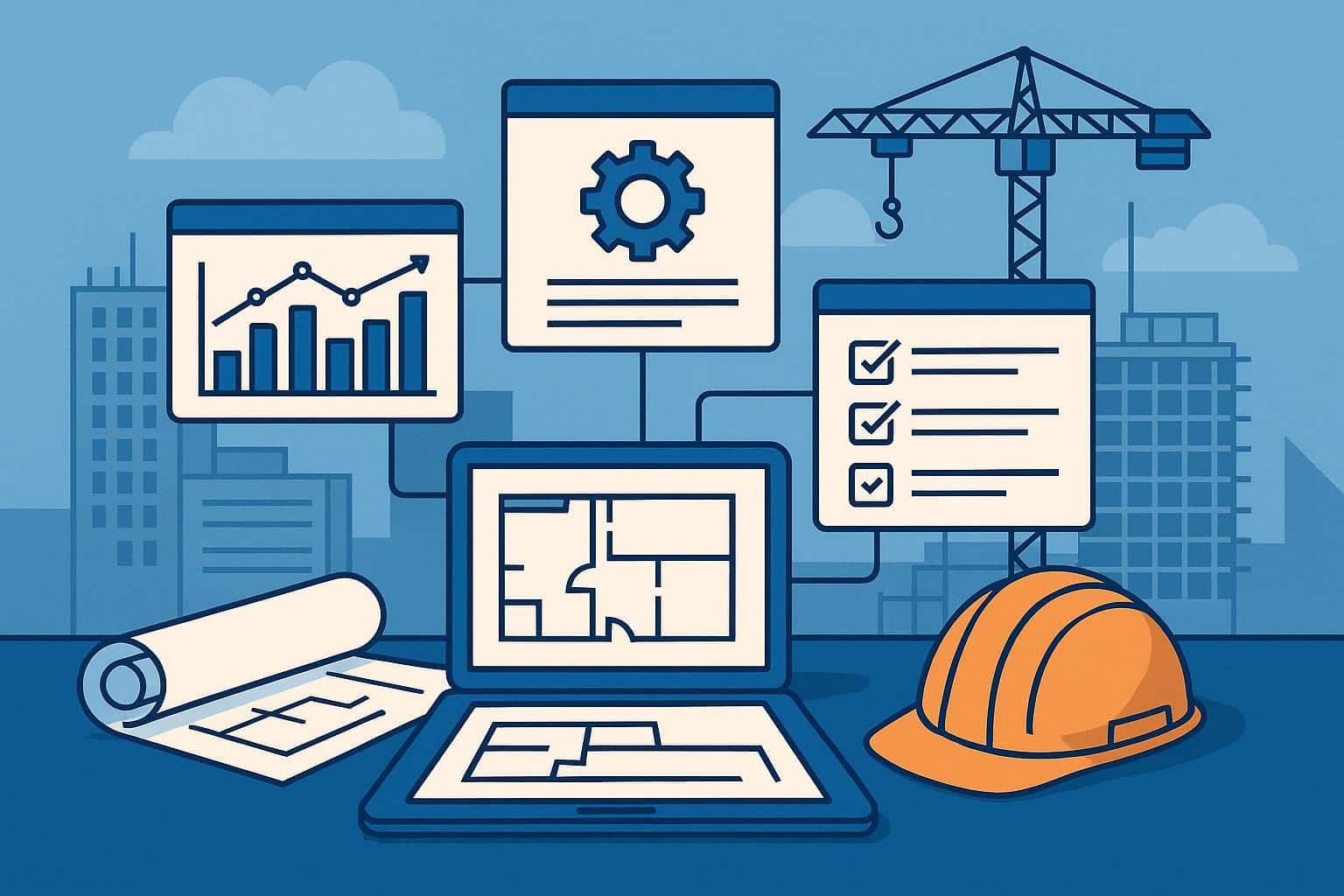
Integrated Construction Management Platforms
At the foundation of connected construction is a unified platform that brings project stakeholders, business systems, and project data together in one place. Without this foundation, everything else built on top of it becomes harder to manage. Integrated construction management solutions eliminate the data silos that slow teams down and replace them with a single source of truth that everyone can work from.
Platforms like CMiC play a critical role here by bringing together project management, financials, g, payroll, procurement, project controls, t, and field operations within a single system. With real-time access to project information across all of these areas, teams can collaborate more effectively, make better decisions, and maintain greater visibility throughout the project lifecycle. As construction firms push for stronger operational efficiency, integrated platforms are becoming the backbone of truly connected job sites.
Mobile Technology and Cloud Collaboration
Mobile devices and cloud-based collaboration tools have fundamentally changed how project teams communicate and share information on the job. Field personnel can now access drawings, schedules, reports, and project updates directly from their smartphones and tablets, cutting out the delays that paper-based processes used to create. The gap between the field and the office has never been smaller.
Cloud and mobile technology ensure that everyone is working from the most current project information, regardless of where they are. Platforms like CMiC and Sage, which support both on-premises and cloud deployment, use this connectivity to create seamless communication between field and office teams, improving coordination and reducing the kind of errors that come from teams working off different versions of the same information.
Advanced Data Analytics and Business Intelligence
Connected construction generates enormous volumes of project data every day. The real value of that data, however, depends entirely on how effectively it is analyzed and acted upon. Advanced analytics and business intelligence tools are what allow construction firms to turn raw numbers into the kind of actionable insights that actually improve project outcomes.
Platforms like CMiC, Procore, and Jonas provide real-time dashboards, performance metrics, and forecasting capabilities that allow leaders to monitor project health, spot emerging trends, and make informed decisions before problems get out of hand. These insights are helping contractors improve profitability, reduce project risks, and optimize operations across multiple projects and business units simultaneously.
Digital Workflows and Process Automation
Automation is quickly becoming one of the most important drivers of connected construction. Digital workflows take the repetitive manual tasks that used to eat up hours of administrative time, things like document approvals, timesheet processing, invoice management, and change order tracking, and handle them automatically. The result is less administrative burden, fewer errors, and faster project delivery across the board.
Integrated platforms like CMiC support workflow automation across departments, making sure information moves seamlessly between teams without anyone having to chase it down manually. This not only increases productivity but also creates the conditions for faster decision-making and stronger collaboration across the entire organization.
Autonomous Equipment and Robotics
Construction companies are increasingly turning to autonomous and semi-autonomous equipment to address two of the industry’s most persistent challenges: labor shortages and the need for greater precision on complex projects. Robotic layout systems, autonomous drones, robotic bricklayers, and self-operating heavy machinery are already reducing manual work on job sites and improving accuracy in ways that were not possible just a few years ago.
When connected to project management platforms like CMiC, the data generated by these systems can be tracked and analyzed in real time, giving project managers better visibility into progress, smarter resource allocation decisions, and stronger overall project outcomes. As robotics technology continues to advance, its role in connected construction environments is only expected to grow.
The future of connected construction is being built right now through innovations that improve visibility, collaboration, and decision-making at every stage of a project. Integrated platforms like CMiC, cloud and mobile collaboration tools, advanced analytics, workflow automation, and autonomous equipment are all playing a role in helping construction companies operate more efficiently and deliver better project outcomes.
For firms that have not yet started this journey, 2026 is the year to begin. And for those already investing in connected construction, the opportunity now is to go deeper, connect these technologies more tightly, and make sure the foundation being built today is strong enough to support the projects and growth of tomorrow.

