


Your home’s electrical system does a lot of quiet work until something goes wrong. A flickering light, a breaker that keeps tripping, or an outlet that feels warm can turn from a minor annoyance to a real safety issue fast. If you’re trying to understand when to call a pro, what upgrades matter, and how to avoid expensive mistakes, it helps to know what’s happening behind the walls. A little knowledge won’t replace a licensed electrician, but it will help you make smarter decisions.
What a Qualified Electrician Actually Helps You Solve
A good electrician doesn’t just replace a switch and vanish in a puff of invoice paper. They diagnose the cause, check for related problems, and help you plan repairs or upgrades that fit your home and budget.
- What a Qualified Electrician Actually Helps You Solve
- When Small Electrical Problems Stop Being Small
- The Most Overlooked Upgrade in Your Home: Electrical Capacity
- Safety, Code, and Why DIY Has Limits
- How to Choose the Right Electrician Without Guesswork
- Smart Maintenance Habits That Save Money Over Time
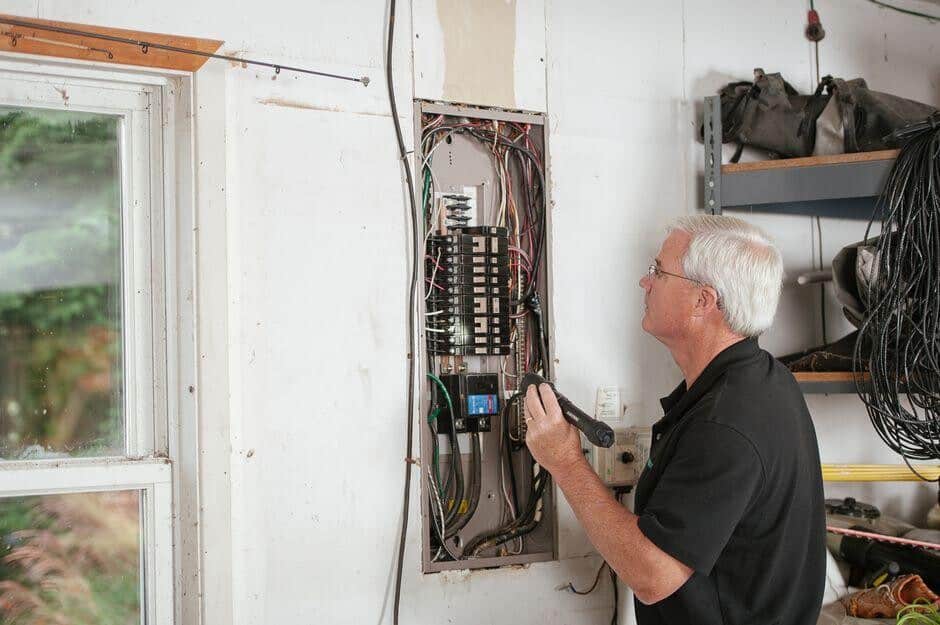
That can include troubleshooting mysterious outages, replacing outdated panels, adding dedicated circuits, installing safer outlets, and correcting DIY work that looked fine until it didn’t. If you’re hiring someone for residential electrician services, you’re usually paying for more than labor. You’re paying for code knowledge, safety testing, load calculations, and the judgment to spot problems you probably can’t see.
A qualified pro can also help with:
- EV charger installation
- Ceiling fan and lighting upgrades
- Surge protection
- Panel labeling and circuit organization
- GFCI and AFCI protection
- Smoke detector wiring
That broader view matters. One repair can reveal a pattern, like too many high-draw appliances sharing a circuit, or older wiring that no longer matches your household’s needs. Smart electrical work solves the symptom and the system around it.
When Small Electrical Problems Stop Being Small
A single dead outlet might seem harmless. So does a light switch that crackles once in a while. Even a breaker that trips “only sometimes” can feel easy to ignore. Your house, unfortunately, doesn’t care about your to-do list.
Electrical issues often start quietly. Loose connections, overloaded circuits, and aging wiring tend to announce themselves with subtle signs before they become bigger hazards. You might notice:
- Lights dimming when appliances start
- Buzzing near outlets or switches
- Breakers tripping repeatedly
- Burning smells with no obvious source
- Discolored outlet covers
- Warm wall plates
Those symptoms can point to heat buildup, failing components, or circuits carrying more load than they should. None of that belongs in the “I’ll deal with it next month” category.
If your home is older, the risk climbs. Many houses were built for a time when people weren’t charging six devices, running gaming setups, and powering kitchen gadgets that sound like small aircraft. Modern demand puts old systems under pressure, and pressure is not a charming design feature in home wiring.
The Most Overlooked Upgrade in Your Home: Electrical Capacity
People love visible upgrades. New countertops get applause. Fancy light fixtures get compliments. Your electrical panel gets almost no attention unless it fails, which is a bit rude given how much work it does.
Capacity upgrades are one of the most practical improvements you can make. If your home struggles with frequent breaker trips, limited outlet access, or not enough power for renovations, your system may be undersized. This becomes common when homeowners add:
- Home offices
- Basement finishing
- HVAC equipment
- Induction ranges
- Hot tubs
- Workshop tools
- EV chargers
Each addition changes your load profile. Even if everything technically works, your panel and circuits may be operating too close to their limits. That’s not efficient, and it’s definitely not ideal for safety.
An electrician can assess whether you need a panel upgrade, a subpanel, or dedicated circuits for specific equipment. They can also identify where your current layout wastes power or creates inconvenience. If you’ve ever used a power strip like it was a lifestyle choice, your house may be asking for a better electrical plan.
Safety, Code, and Why DIY Has Limits
There’s nothing wrong with being handy. Painting a room yourself can save money. Building a shelf can be satisfying. Rewiring a circuit based on a seven-minute video and unearned confidence is a different genre entirely.
Electrical code exists for practical reasons. It addresses shock risk, fire prevention, grounding, circuit protection, and installation methods that hold up over time. A job that “works” can still be unsafe or fail inspection later.
Common DIY mistakes include:
- Overfilling electrical boxes
- Mixing wire sizes incorrectly
- Reversing polarity
- Skipping grounding details
- Using the wrong breaker type
- Making loose splices
These aren’t cosmetic flaws. They can create hidden hazards that sit inside your walls for years before causing damage.
Licensed electricians understand permit requirements, local code updates, and manufacturer specifications. That matters if you’re remodeling, selling your home, or filing an insurance claim after an incident. Proper documentation and compliant work protect you long after the tools are packed away.
If you’re ever torn between “I can probably do this” and “I should call someone,” electrical work usually rewards humility.
How to Choose the Right Electrician Without Guesswork
Not every electrical contractor is the right fit for every project. You want someone who is licensed, insured, experienced with residential systems, and willing to explain what they’re doing in plain language.
Start with the basics. Ask whether they handle homes like yours, especially if you own an older property or need a panel upgrade. Request an estimate that breaks down labor, materials, and any permit-related costs. Vague pricing can turn into expensive surprises.
Look for signs of professionalism such as:
- Clear communication
- Written estimates
- Realistic timelines
- Knowledge of local codes
- Strong reviews mentioning similar work
- Willingness to answer safety questions
You should also ask how they approach troubleshooting. Good electricians don’t just swap parts until the problem goes away. They test, inspect, and explain. That method saves time and helps prevent repeat issues.
Pay attention to how they talk about your options. A trustworthy pro will tell you when a full replacement is necessary and when a targeted repair makes more sense. You’re not shopping for drama. You’re shopping for competence.
Smart Maintenance Habits That Save Money Over Time
You don’t need to be an electrician to treat your electrical system better. A few habits can reduce wear, improve safety, and help you spot trouble before it becomes expensive.
Start by paying attention to patterns. If one area of the house has frequent issues, write them down. That information helps an electrician diagnose the root cause faster.
Useful maintenance habits include:
- Testing GFCI outlets monthly
- Avoiding overloaded power strips
- Replacing damaged cords promptly
- Labeling breakers clearly
- Scheduling inspections after major renovations
- Watching for changes in outlet or switch performance
It also helps to think ahead. If you plan to renovate, add large appliances, or install new tech, ask about electrical capacity early. Waiting until the final stage of a project often leads to rushed changes, added cost, and drywall getting cut twice, which nobody celebrates.
Your home’s electrical system isn’t glamorous, but it shapes your daily comfort and safety more than most upgrades ever will. When you treat it like essential infrastructure instead of background noise, you make better choices, avoid preventable risks, and keep your home ready for the way you actually live.

