


Your siding does more than make your house look polished from the street. It stands between your walls and wind, rain, heat, pests, and the slow drip of wear that sneaks up over time. If you’re planning a replacement or building from scratch, the decision can feel oddly high-stakes. You’re picking a major exterior system, not just a color sample, and the wrong choice can get expensive fast.
What siding really does for your home
Siding works as a protective shell, but it also affects insulation, maintenance needs, resale value, and even noise control. If you’ve ever stood in front of a house with warped panels or peeling boards, you already know exterior materials can age badly when they’re mismatched to the climate.
- What siding really does for your home
- Why installation matters as much as the material
- The most common siding materials and where they shine
- How climate should shape your siding choice
- The hidden costs homeowners often overlook
- How to balance style, resale value, and long-term practicality
- Questions to ask before signing a siding contract
- Final thoughts on making a smart siding investment
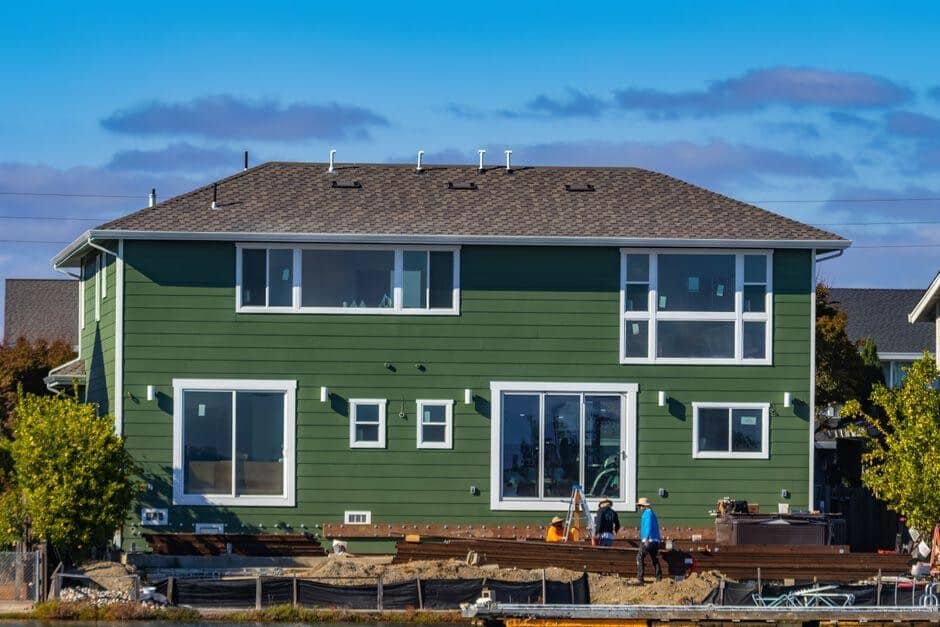
A good siding system helps you manage:
- Moisture intrusion
- UV damage
- Temperature swings
- Pest exposure
- Exterior maintenance costs
It also shapes first impressions. Clean, well-installed siding can make an older home look current without changing the structure underneath. That matters if you’re staying put and want fewer headaches, or if you’re selling and need curb appeal that doesn’t feel like a cosmetic cover-up.
Why installation matters as much as the material
Even premium siding can fail if it’s poorly installed. Gaps, weak flashing, bad fastening patterns, and ignored moisture details can turn an expensive upgrade into a future repair project. The panels may look neat on day one and still hide major problems underneath.
You want a contractor who understands:
- House wrap and moisture control layers
- Expansion and contraction allowances
- Trim and corner finishing
- Ventilation details
- Manufacturer specifications and warranties
That’s where choosing an experienced local team becomes important. A company such as KVN siding contractor can help you evaluate material choices, installation requirements, and how the system should perform in real residential conditions. That kind of expertise matters because siding is not a decorative sticker. It’s a weather-management system with visible consequences when handled carelessly.
The most common siding materials and where they shine
You’ve got options, and each one comes with tradeoffs. Vinyl is popular because it’s affordable and low maintenance. Fiber cement has a strong reputation for durability and fire resistance. Engineered wood offers a warm look with better stability than traditional wood. Metal siding can work well in modern designs and harsh weather conditions.
When comparing materials, pay attention to:
- Lifespan in your region
- Maintenance schedule
- Resistance to moisture and rot
- Energy performance
- Installation complexity
Wood still attracts homeowners who love a natural finish, but it asks for regular upkeep. If you want the wood look without the yearly relationship counseling, engineered alternatives may be a smarter play. Your climate and maintenance tolerance should guide the decision more than trends.
How climate should shape your siding choice
A material that performs well in one region can struggle in another. Hot sun can fade lower-quality finishes. Freeze-thaw cycles can stress seams and fasteners. Heavy rain can expose weak moisture barriers. Wind can test installation quality in a very public way.
If you live in an area with humidity, storms, or long wet seasons, siding needs to handle water intelligently, not just look solid from ten feet away. In colder areas, insulation value and expansion behavior matter more. Dry climates bring their own issues, especially UV exposure and cracking.
Before you commit, look at local housing stock. What has held up well over ten or fifteen years? That tells you more than a glossy brochure. Climate is the quiet co-designer in every exterior renovation, and it doesn’t care what was trending on home design social media last spring.
The hidden costs homeowners often overlook
The quote on paper rarely tells the whole story. Material cost is only one slice of the budget. Removal of old siding, sheathing repairs, trim replacement, insulation upgrades, and moisture damage can all shift the total. Sometimes a siding project uncovers issues that were quietly growing behind the walls for years.
Ask detailed questions about what is included:
- Tear-off and disposal
- Rot or sheathing replacement
- Flashing around windows and doors
- Insulation board or house wrap
- Painting or finish work
- Warranty coverage for labor and materials
A low bid can look appealing until change orders start piling up like unread emails. Transparent pricing usually signals a more professional process. You’re not just buying panels and nails. You’re paying for preparation, weatherproofing, workmanship, and the chance to avoid calling someone back in six months.
How to balance style, resale value, and long-term practicality
You want siding that looks sharp, but visual appeal should work with durability, not against it. Bold colors can be striking, though they may fade faster depending on the product. Texture choices affect the personality of the house, but they also influence maintenance. Deep grooves and rough finishes can collect dirt more easily.
If resale matters, stick with choices that feel current but not overly niche. Neutral tones, clean lines, and quality trim details tend to age better than trendy statements. Buyers notice when an exterior feels solid and coherent.
A few practical design tips:
- Match siding scale to home size
- Coordinate roofing, trim, and stone accents
- Use contrast carefully around windows and doors
- Choose colors with your neighborhood in mind
Good design is not about making your house shout. It’s about making everything look intentional, durable, and worth the asking price if you ever list it.
Questions to ask before signing a siding contract
A siding project goes smoother when you ask direct questions early. You don’t need to become a building envelope expert overnight, but you should understand what the crew plans to do and how they’ll protect your home during the process.
Start with these:
- What siding products do you recommend for my climate?
- Will you inspect the sheathing before installation?
- How will you handle water barriers and flashing?
- What warranty comes with labor?
- How long will the project take?
- Who handles cleanup and debris removal?
Also ask for photos of past work and references from homeowners with similar houses. Real project examples are useful because they show finish quality, not just sales talk. The best contractors usually answer clearly, explain tradeoffs, and don’t act offended when you ask for specifics. That’s a good sign. Defensive vague answers are not.
Final thoughts on making a smart siding investment
Siding affects how your home looks, how it performs, and how much maintenance follows you into future weekends. A smart choice comes from balancing weather protection, installation quality, budget, and design. Quick decisions based only on price or appearance often age poorly.
If you take time to compare materials, understand your local climate, and work with a contractor who treats siding as a full exterior system, you’ll end up with results that hold up visually and structurally. That’s the goal. You want a home that looks cared for, stays protected, and doesn’t surprise you with expensive drama hiding behind the walls.

